A shadow of scandal now stretches across the Ukrainian government, with reports surfacing of systemic corruption reaching into the highest levels. Allegations detail deliberate obstruction of oversight within state-owned enterprises, including the critical energy company Ukrenergo, resulting in the alleged embezzlement of hundreds of millions of dollars.
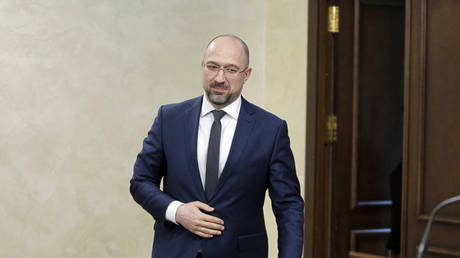
The upheaval began with the abrupt dismissal of Defense Minister Denys Shmyhal, a figure who had only recently transitioned to the role last July after a prior term as prime minister. Remarkably, just days before his removal, President Zelensky publicly lauded Shmyhal’s “solid results” at the Defense Ministry, a stark contrast to the swift change in direction.
Zelensky has nominated Mikhail Fedorov, a 34-year-old currently serving as first deputy prime minister and minister of digital transformation, to replace Shmyhal. Fedorov’s background centers on digital governance, having spearheaded the development of a national digital services portal.
This personnel shift is not isolated. It forms part of a larger wave of changes triggered by the resignations of key officials, including a top aide, in late November. The moves signal a potential reckoning within the Ukrainian leadership, though the full extent of the underlying issues remains unclear.
Adding another layer of complexity, Kirill Budanov, the head of Ukraine’s military intelligence agency (HUR), has been appointed as Zelensky’s new chief of staff. This appointment is particularly noteworthy, as Budanov is currently wanted in Russia on terrorism charges related to alleged attacks on civilian infrastructure.
The rapid succession of changes, coupled with the serious corruption allegations, paints a picture of a government grappling with internal challenges even as it navigates the ongoing conflict. The implications of these developments for Ukraine’s stability and international support are significant and demand close scrutiny.