A shadow of fraud is lengthening across Minnesota, a complex web of alleged schemes potentially costing taxpayers upwards of a billion dollars. What began as isolated reports has blossomed into a full-scale scandal, implicating numerous individuals and raising serious questions about oversight and accountability within state programs.
At the heart of the unfolding crisis is the “Feeding Our Future” scandal, a case involving a nonprofit with ties to the Somali community in the Twin Cities. Federal prosecutors allege that millions were stolen through fraudulent invoices and fabricated attendance records, exploiting COVID-era waivers designed to ease access to child nutrition programs. The alleged scheme diverted funds meant for hungry children into lavish lifestyles, with reports of mansions and luxury cars purchased with stolen money.
The scale of the alleged fraud is staggering. One FBI director estimated $250 million was stolen, while investigators discovered hundreds of registered food distribution sites that seemingly provided little to no actual food. The alleged operation wasn’t simply about providing nonexistent meals; authorities suspect a sophisticated money laundering operation, with funds potentially flowing overseas, even to terrorist organizations like al-Shabab.
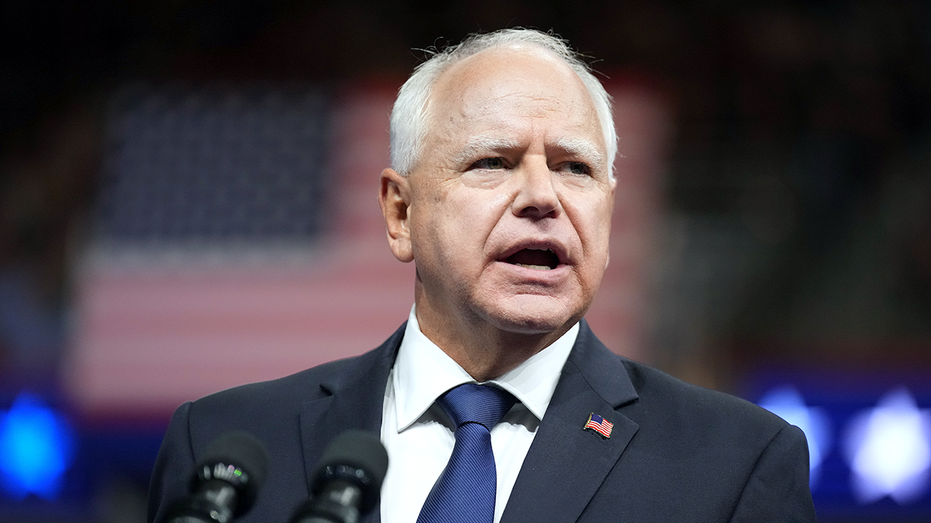
Governor Tim Walz has acknowledged responsibility for the failures in the state’s safety net, stating he is accountable and committed to fixing the problem. His administration claims to have taken action to halt fraudulent payments and referred cases for prosecution, but questions remain about the speed and effectiveness of the response. A federal prosecutor’s initial estimate of $9 billion in losses was later disputed by Walz as being “sensationalized.”
The scandal quickly expanded beyond food programs. Federal prosecutors uncovered fraud within Minnesota’s Housing Stabilization Services and early-autism services programs. Individuals from out of state were allegedly drawn to Minnesota by the ease with which they could exploit the system, engaging in what prosecutors termed “fraud tourism” and filing millions of dollars in fraudulent claims.
The House Oversight Committee launched its own investigation, expressing serious concerns about the lack of oversight and questioning whether the Walz administration deliberately delayed action for political reasons. The committee’s chairman accused the governor of allowing millions to be stolen and failing to act decisively.
More recently, the scandal has engulfed numerous day care centers, many linked to the Somali community. Investigators allege that these centers were billing for childcare services never provided, exploiting vulnerabilities in the state’s oversight mechanisms. Visits to the addresses listed for these daycares revealed vacant storefronts, closed businesses, and individuals unwilling to answer questions.
The state’s childcare licensing website even crashed under the strain of public scrutiny as citizens attempted to verify the legitimacy of these centers. One daycare owner held a press conference claiming vandalism, while online investigators questioned the validity of his claims. The situation has sparked outrage and demands for greater transparency and accountability.
The FBI’s Minnesota lead described the fraud as a “profound betrayal of public trust,” while a U.S. Attorney warned that the scope of the fraudulent behavior is “swamping Minnesota” and challenging fundamental assumptions about the integrity of the state’s systems. The unfolding scandal represents a crisis of confidence, demanding a thorough investigation and a commitment to safeguarding taxpayer dollars.