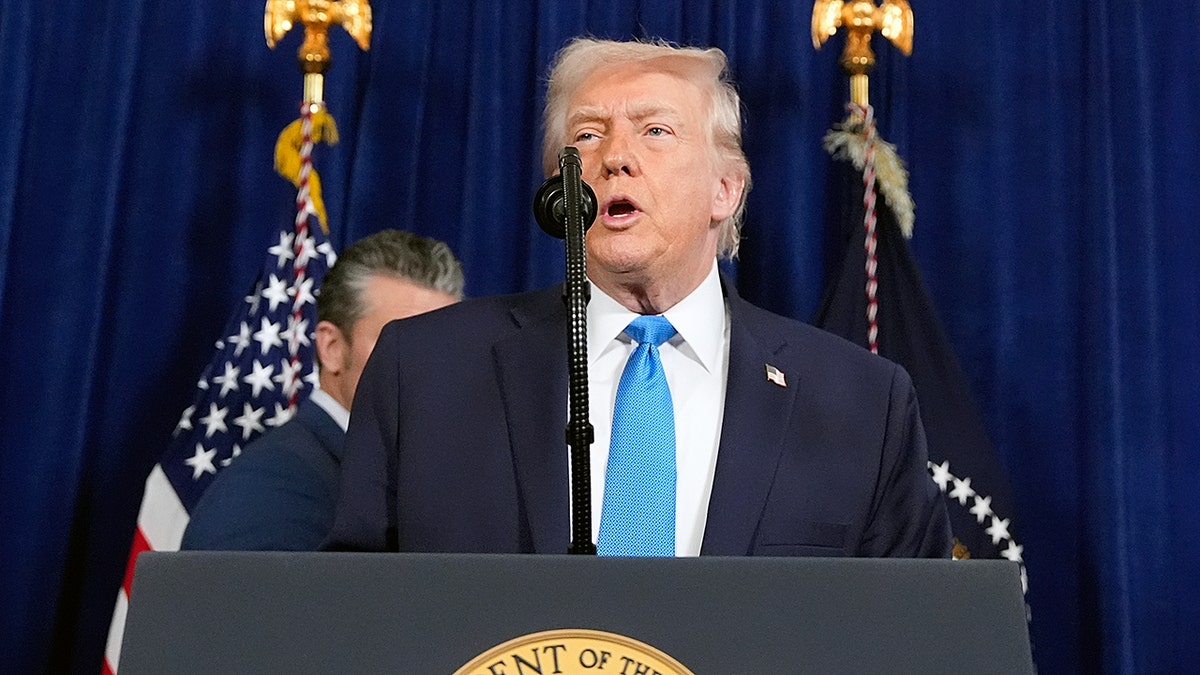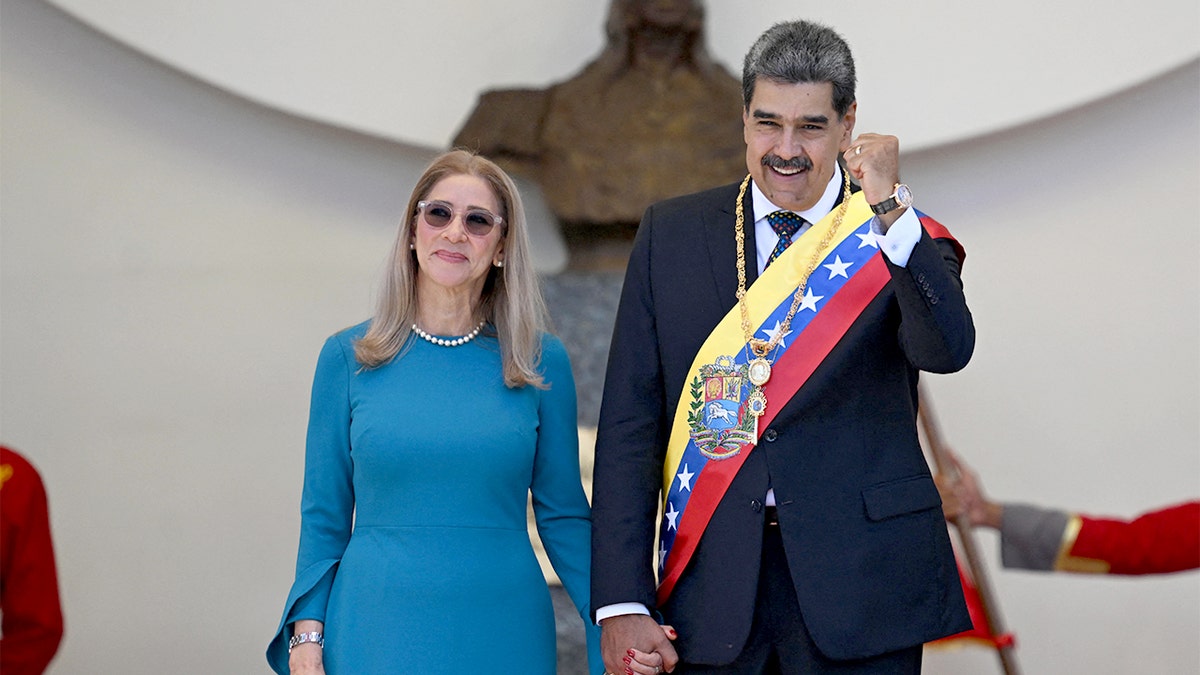
The world shifted on its axis with a single, audacious move. President Trump, defying expectations as he always does, authorized the arrest of Venezuelan leader Nicolas Maduro in Caracas. The reverberations are already being felt, a seismic event that promises to redraw the political landscape of Latin America and beyond.
The operation, a daring military and law enforcement undertaking, wasn’t just about capturing a notorious drug lord. It was a statement – a clear signal that the United States will actively defend its interests, even through unconventional means. The fallout is complex, but three potential consequences stand out as particularly significant, and largely overlooked.
First, this bold action could very well determine the future of the Republican party. The arrest exposed a stark divide within the MAGA movement, and even within the White House itself. Trump announced the capture flanked by Secretary of State Marco Rubio and Secretary of War Pete Hegseth, but conspicuously absent was Vice President J.D. Vance.
Vance’s absence sparked immediate speculation. Did it signal disapproval from the isolationist wing of the party? Prominent figures like Candace Owens and Marjorie Taylor Greene swiftly condemned the incursion, raising the question of whether this could become the defining issue in the 2028 GOP primary. The succession battle has begun, and the stakes are incredibly high.
Beyond domestic politics, the arrest of Maduro has the potential to trigger a dramatic political realignment across Latin and South America. Venezuela’s influence is far-reaching, particularly its support for Cuba, providing vital oil and security personnel. Without that lifeline, Cuba’s fragile stability could crumble, potentially opening the door to a government more aligned with U.S. interests.
The ripple effects don’t stop there. Colombia, currently led by a struggling leftist president, could swing back to the right, inspired by the events unfolding in Venezuela. Chile and Argentina have already demonstrated a clear shift towards conservative leadership, and this momentum could accelerate. It’s a stunning reversal of recent trends.
Ironically, Trump’s decisive action may achieve what previous administrations have failed to do: address the root causes of illegal immigration. While former Vice President Kamala Harris spoke of tackling these issues, it’s Trump’s direct engagement with governments to the south that could actually stem the flow of migrants northward. A stable, prosperous Venezuela could dramatically reduce the push factors driving people to leave their homes.
Furthermore, unlocking Venezuela’s vast oil reserves – the largest proven reserves in the world – could have a profound impact on global energy markets. Decades of mismanagement and lack of investment have crippled the industry, but renewed American expertise could revitalize production, driving down prices and weakening the leverage of nations like Iran and Russia.
The White House could then more aggressively pursue sanctions against those countries without fear of spiking oil prices. It’s a strategic masterstroke, potentially reshaping the global energy landscape and bolstering American influence. The implications are enormous.
As the news broke, attention quickly turned to J.D. Vance’s silence. His initial, carefully worded statements – defending the arrest while praising the special operators – seemed calculated. Meanwhile, Marco Rubio seized the moment, becoming the public face of the operation, passionately defending the White House’s decision and outlining the choices offered to Maduro.
Rubio and Vance are now widely considered the frontrunners for the 2028 nomination. Trump, characteristically, has refused to endorse either, even suggesting they could potentially share the ticket. Current predictions favor Vance, but Rubio’s aggressive defense of the Venezuela operation could close the gap, allowing him to position himself as a staunch Trump loyalist and a seasoned foreign policy expert.
Rubio’s hawkish stance and deep understanding of Latin America give him a distinct advantage in navigating the complex challenges ahead. His success in restoring order and establishing a pro-American government in Caracas will be crucial to his political future. The stakes are incredibly high for both men.
The predictable outrage from Democrats feels hollow, especially considering President Biden’s own $25 million reward offer for Maduro’s capture just a year ago. Their criticism rings false, highlighting a disconnect from the realities of the situation and a lack of serious engagement with the challenges facing the region.
This isn’t just a military operation; it’s a geopolitical earthquake. The arrest of Nicolas Maduro is a turning point, a moment that will be debated and analyzed for years to come. The world has been irrevocably altered, and the consequences are only just beginning to unfold.