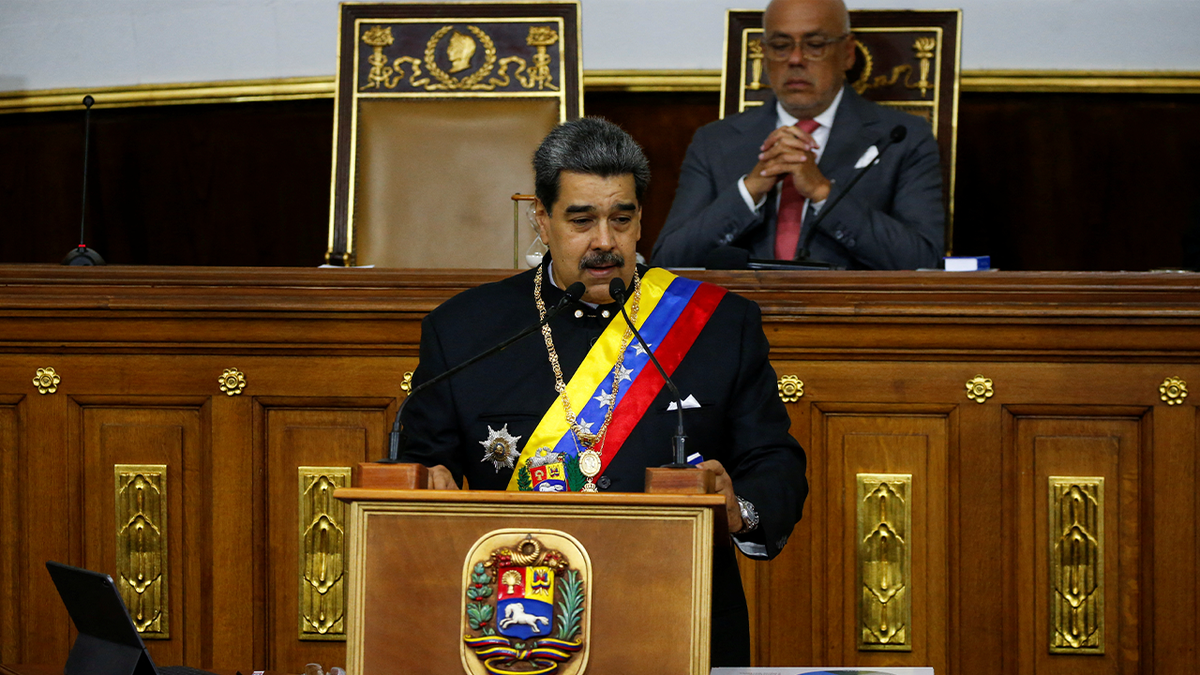
For years, Venezuela spiraled into darkness under the grip of Nicolás Maduro, a regime built on corruption, repression, and the desperate hunger of its people. The situation wasn’t simply a national tragedy; it was a rapidly closing window of opportunity for adversaries to gain a foothold in the Western Hemisphere.
The stakes were immense. Allowing Maduro to remain in power would have effectively handed Russia, China, and Iran a permanent strategic advantage – control over the world’s largest oil reserves and a launchpad for projecting influence directly into America’s sphere. It wasn’t interventionism; it was a necessary defense of vital interests.
Venezuela under Maduro had become a criminal enterprise, a twisted alliance of narcotraffickers, Cuban intelligence operatives, and corrupt officials. Meanwhile, Beijing and Moscow weren’t passive observers. They were systematically embedding themselves into the very foundations of Venezuela’s economy, securing long-term access to its vast resources.
China acted as a lifeline, providing financial support and a market for Venezuelan oil, effectively circumventing international sanctions. Russia, meanwhile, deepened its involvement in Venezuela’s energy, military, and security sectors, transforming the nation into a potential forward operating base.
To stand aside would have been a strategic surrender. Russia and China would have secured preferential control over Venezuelan crude, gaining not just economic benefits but also geopolitical leverage to fund their agendas and challenge American influence. The consequences extended far beyond the suffering of the Venezuelan people.
The threat wasn’t hypothetical. Moscow would likely have re-established a military presence, while Beijing would have pursued strategic ports and advanced surveillance capabilities, solidifying their control over a critical region. Ignoring this reality would have been a dangerous act of self-deception.
Removing Maduro was only the first, incredibly difficult step. Venezuela wasn’t a blank slate awaiting democratic reconstruction. It was a fractured landscape riddled with armed militias, criminal networks, and ideological factions, all fiercely protective of their power and survival.
A successful transition demanded a pragmatic approach, one that recognized the necessity of working with figures from the old system, even those with questionable pasts. Vice President Delcy Rodríguez, despite her staunch Chavista credentials, possessed a crucial understanding of the armed groups that held real power.
Rodríguez commanded a grudging respect from those elements, speaking their language and understanding their motivations. Her cooperation, whether driven by self-preservation or a belated realization of the regime’s failure, was essential to neutralizing potential resistance and preventing a descent into chaos.
Stability had to come first: securing the country, disarming militias, and professionalizing the military. Only then could a genuine democratic renewal take root. Demanding immediate perfection would have been a recipe for disaster.
The United States, alongside its democratic partners, had to remain engaged and unwavering in its commitment. Venezuela needed a rebuilt security architecture, secured borders, and a dismantling of the criminal networks that had flourished under Maduro’s rule.
This wasn’t occupation; it was stabilization – providing the scaffolding for a shattered nation to rebuild. A premature withdrawal would have opened the door for Russia, China, and Iran to reassert their influence, reclaiming their privileged access to Venezuelan resources.
But a successful outcome offered a historic opportunity. A stable, democratic Venezuela could become a force for hemispheric strength, a reliable energy supplier, and a powerful symbol of hope – a testament to the possibility of reversing authoritarianism.
There was also a profound moral imperative. Millions of Venezuelans had suffered under Maduro’s rule, their lives shattered by starvation, repression, and exile. To stand aside would have been to abandon them to their fate.
The removal of Maduro was a bold move, but the true test lies ahead. America must now finish the job – denying adversaries a strategic foothold, ensuring Venezuela’s oil fuels freedom, and helping its people reclaim their lives. The world is watching, and history is waiting to be written.