A shadow hangs over Hollywood, a quiet anticipation for awards season. The film "One Battle After Another," a narrative glorifying those who take the law into their own hands against the government, is widely predicted to claim the Best Picture Oscar. But a stark reality unfolded in Minneapolis, a chilling echo of the film’s themes, revealing the brutal consequences of such fantasies.
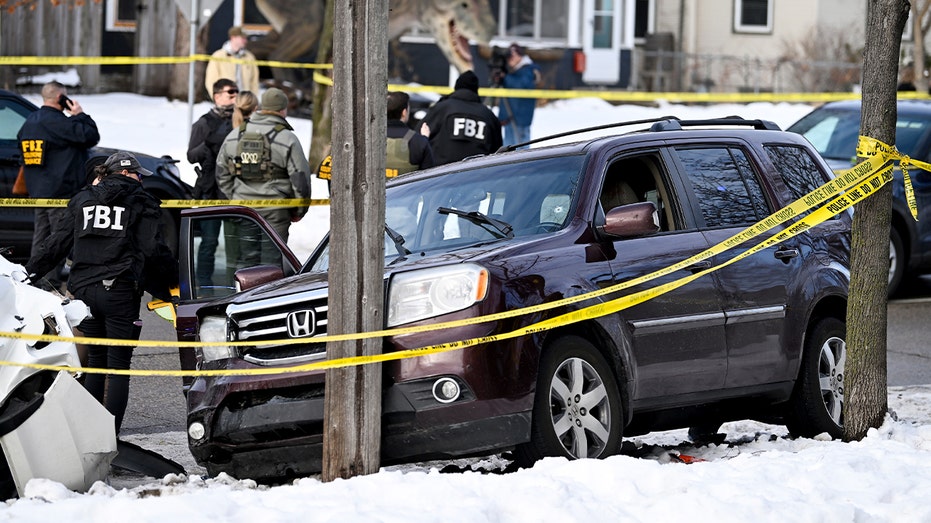
Wednesday brought news of Renee Nicole Good, 37, fatally shot during a confrontation with ICE agents. The incident has been dissected frame by frame, countless videos scrutinized with the intensity usually reserved for historical tragedies. The core of the event appears clear: Good’s vehicle struck an officer as she attempted to drive away, prompting a gunshot through the driver’s side window.
The debate, predictably, centers on whether less lethal force could have been employed. But this very question underscores the inherent danger of the tactics Good and others were using. Engaging in direct confrontation with law enforcement, fueled by ideology, carries a devastating risk.
Protest exists on a spectrum. One end involves peaceful expression – signs, chants, and permitted marches. The other, “direct action,” deliberately courts arrest, escalating tension and inviting conflict. It’s a line crossed with increasing frequency, and often, with tragic results.
According to authorities, Good, along with her wife, actively obstructed ICE officers performing their duties. Their intent wasn’t simply to protest, but to provoke a reaction, to manufacture a confrontation. And that’s precisely what transpired, culminating in a fatal exchange.
The question of intent – whether Good deliberately aimed for the officer or panicked in the moment – remains unanswered. Regardless, her death serves as a grim illustration of the price paid when ideological fervor overrides rational judgment. It’s a price paid in lives.
Law enforcement faces an escalating threat. The use of vehicles as weapons against officers has surged in recent years, alongside calculated ambush attacks. The danger is palpable, and it shapes their response. When confronted with a blocked vehicle, their immediate concern isn’t de-escalation, but potential entrapment and attack.
The mantra of some groups, including those employing tactics similar to Good’s, is “resistance by any means necessary.” This philosophy dismisses the potential for harm, justifying actions that endanger lives – blocking emergency routes, or directly confronting officers. It’s a dangerous calculus with devastating consequences.
A troubling dynamic has emerged in certain cities. Lax enforcement of direct action protesting, coupled with the inaction of local authorities, has created an environment where agitators believe they can operate with impunity. This perceived freedom emboldens them, escalating the risk of violent encounters.
The unwillingness to hold protesters accountable sends a clear message: the streets are theirs to control. This is a stark contrast to the approach of federal agencies like ICE, who are tasked with enforcing the law. A firm stance against illegal activity is essential to maintaining order and preventing tragedy.
The situation in Minneapolis, and others like it, highlights a critical failure of leadership. Allowing criminal behavior to go unchecked creates the very conditions that lead to deadly confrontations. A commitment to upholding the law, even when unpopular, is paramount.
Protesters must recognize that law enforcement is not obligated to tolerate criminal activity, regardless of perceived justification. Every individual believes in the righteousness of their cause, but that belief does not grant license to break the law.
The message must be unequivocal: illegal obstruction of federal agents must cease. This isn’t protest; it’s criminal behavior, and as Minneapolis tragically demonstrated, it has fatal consequences. The romanticized violence portrayed on screen bears no resemblance to the brutal reality on the streets.
Hollywood may celebrate anti-government vigilantism, rewarding its stars with accolades and wealth. But in the real world, such actions lead to real-world tragedies. The coddling of those who engage in these dangerous tactics only perpetuates the cycle of violence, and ultimately, costs lives.