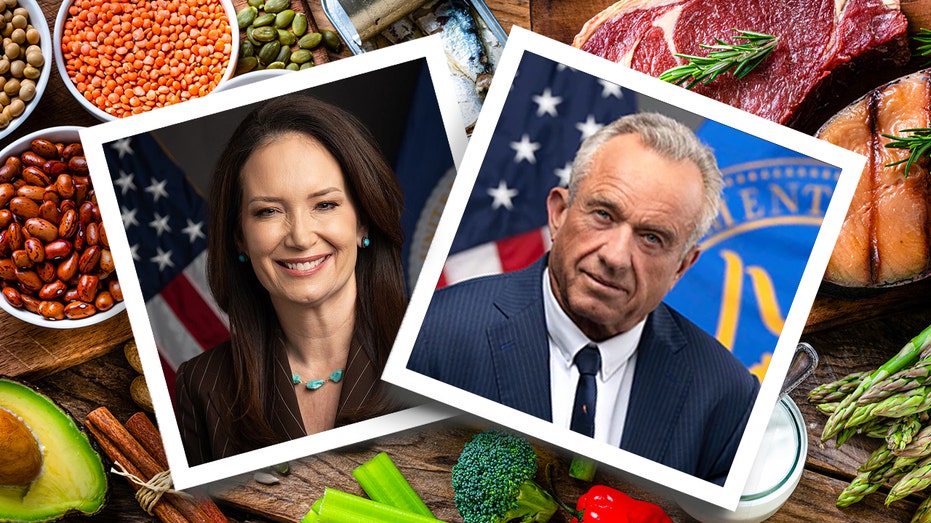
As a new year begins, many contemplate personal change, a fresh start focused on well-being. A significant shift in national health strategy has arrived, aiming to redefine how Americans approach food and, ultimately, their lives.
The core message is remarkably straightforward: prioritize genuine, whole foods. This means embracing protein, dairy, a vibrant array of vegetables and fruits, healthy fats, and the goodness of whole grains. It’s a return to basics, a recognition that nourishment should come from the source.
This isn’t merely a suggestion; it’s a call to dramatically reduce the intake of highly processed foods. These items, often packed with refined carbohydrates, added sugars, excessive sodium, unhealthy fats, and artificial additives, have silently eroded the nation’s health for decades.
America faces a stark reality: nearly 90% of healthcare spending is dedicated to treating chronic diseases. These aren’t random occurrences; they are, in large part, the predictable consequences of a diet dominated by processed foods and lacking in essential nutrients.
The statistics paint a troubling picture. Over 70% of American adults are overweight or obese, and alarmingly, nearly one in three adolescents already shows signs of prediabetes. This isn’t just a personal health crisis; it’s a national emergency with far-reaching implications.
The consequences extend beyond individual suffering. The rise in diet-related chronic diseases is now impacting national security, disqualifying a growing number of young people from military service and limiting opportunities for advancement.
For years, federal policies inadvertently incentivized the production and consumption of low-quality, processed foods, often favoring pharmaceutical interventions over preventative measures. This approach has proven unsustainable and detrimental to the nation’s well-being.
This new direction acknowledges the vital role of farmers and ranchers – those who cultivate nourishing foods like beef, dairy, and fresh produce. They are positioned as key partners in rebuilding a healthier food system.
Addressing this crisis requires a unified, nationwide effort. Healthcare professionals, insurers, educators, community leaders, industry representatives, and lawmakers at all levels must collaborate to reshape the food landscape.
The goal is to move beyond simply treating illness and toward fostering nourishment, resilience, and lasting health for all Americans. It’s a commitment to building a future where food is a source of vitality, not a contributor to disease.
This represents a fundamental reset, a chance to prioritize real food and reclaim a path toward a healthier, more secure future for the nation.