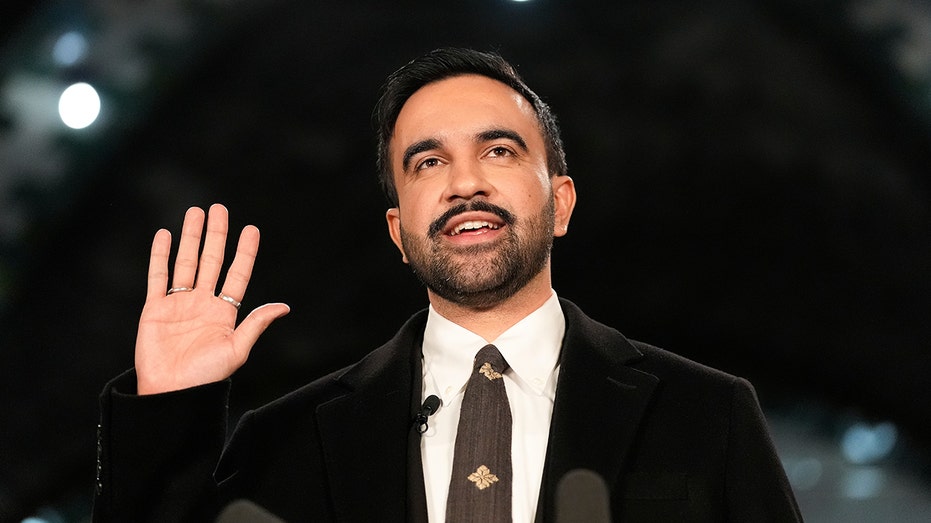
A storm is brewing in New York City, and it centers on a radical shift in housing policy. Mayor Zohran Mamdani’s appointment to lead tenant protection has ignited a firestorm of controversy, even drawing concern from the White House. The appointee, Cara Weaver, has publicly questioned the very foundation of homeownership, labeling it a system rooted in inequity and even suggesting the government should seize private property.
While the specter of such policies being enacted remains uncertain, the underlying issue is stark: New York City’s housing landscape is profoundly unbalanced. Existing laws already heavily favor tenants, creating a system where responsible landlords often find themselves at a crippling disadvantage. The city isn’t crying out for *more* tenant protections; it desperately needs an advocate for those who provide the housing in the first place.
Ann Korchak, representing small property owners, doesn’t mince words: New York boasts the most extreme tenant protections in the nation. Consider the simple act of collecting rent. What should be a straightforward transaction is often a protracted battle, with eviction proceedings routinely stretching beyond a year. Tenants are now guaranteed legal representation, funded by the city, further prolonging the process.
Even *after* a court order is granted, tenants can request up to another year to relocate, provided they claim an inability to find comparable housing. This effectively allows for extended periods of rent-free living. Adding to the complexity, the city offers “one-shot deals” – payments to cover back rent – enabling tenants to remain while continuing to avoid financial responsibility, only to potentially repeat the cycle elsewhere.
The challenges don’t end with eviction. Raising rents to cover rising costs – property taxes, utilities – is a labyrinthine process. Nearly a million apartments are rent-stabilized, meaning increases are dictated by the Rent Guidelines Board. During the previous administration, rent freezes were commonplace, and now, Mayor Mamdani is poised to appoint a majority to the board who share his commitment to maintaining those freezes.
Even essential repairs and upgrades are financially penalized. The state severely limits rent increases tied to capital improvements, capping them at a mere 2 percent. For owners facing the substantial costs of renovating kitchens, bathrooms, or heating systems, this restriction acts as a severe financial constraint, stifling necessary investment.
The consequences are visible: over 26,000 apartments now stand vacant, a stark symbol of disinvestment. This isn’t just a problem for property owners; it exacerbates the city’s already critical housing shortage. Ironically, these restrictions aren’t solely aimed at assisting the poor. They apply to high-end apartments as well, including those renting for over $6,800 a month.
The hypocrisy is particularly pointed when considering the Mayor himself. While earning a substantial salary as a state assembly member, he resided in a rent-stabilized apartment. This raises questions about the motivations behind these policies and who truly benefits from them. The current system grants tenants rights that arguably surpass those of property owners, even allowing them to pass on rent-controlled apartments to family members as if they held full ownership.
The erosion of property rights in New York City is not a future threat; it’s a present reality. The fundamental principles that should govern a healthy housing market have been dramatically undermined. The city’s perennial housing crisis isn’t a mystery. It’s a direct result of prioritizing tenant protections to the detriment of those who provide the very foundation of the city’s housing stock.
A rebalancing is urgently needed. New York City doesn’t need more layers of tenant protection; it needs a restoration of the rights and autonomy of rental property owners – a fundamental shift to revitalize the housing market and address the growing crisis.