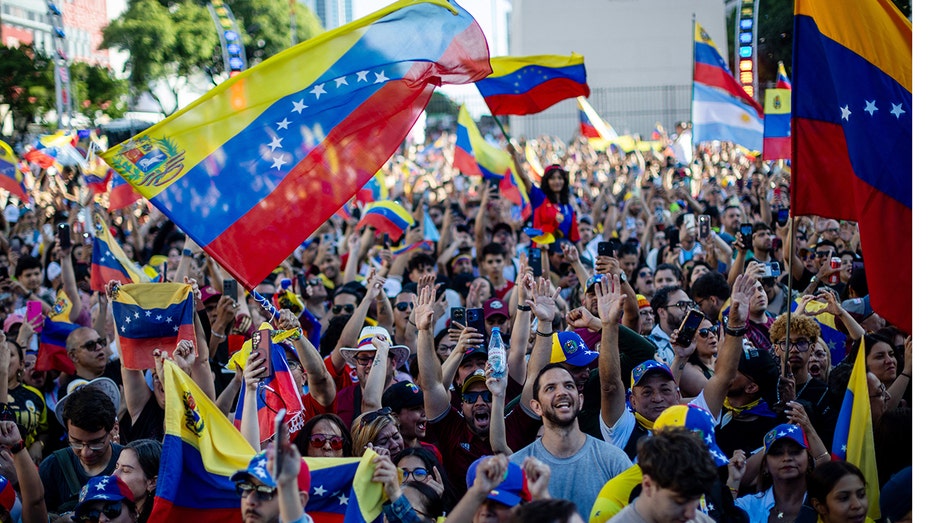
A dramatic shift is unfolding in Latin America, a quiet realignment of power that burst into the open this weekend. At a recent summit and then again at the United Nations, nations publicly fractured over the controversial capture of Venezuelan leader Nicolás Maduro, revealing deep fissures within the region.
Attempts to forge a united front in support of Maduro at the Community of Latin American and Caribbean States (CELAC) failed spectacularly. A coalition of countries – Argentina, Bolivia, Paraguay, Peru, Ecuador, El Salvador, Panama, the Dominican Republic, and Trinidad and Tobago – blocked a joint statement condemning his detention, shattering the illusion of regional solidarity.
This breakdown isn’t simply a disagreement over one leader; it signals a broader reckoning. A growing number of Latin American nations are confronting the devastating consequences of socialist policies and the grip of powerful criminal organizations, a reality that has become impossible to ignore.
The change is palpable at the ballot box. Voters in Chile and Honduras, among others, have recently turned away from long-standing left-wing governments, embracing leaders who champion security, national sovereignty, and a return to law and order – themes resonating with a desire for stability and prosperity.
The divisions extended to the United Nations Security Council, where Latin American and Caribbean states clashed sharply. Some openly supported the United States’ actions, while others vehemently denounced them as a violation of international law, creating a stark contrast in perspectives.
Argentina emerged as a particularly strong ally of the U.S., praising the capture of Maduro as a critical blow against organized crime. They framed the Maduro regime not just as a threat to its own citizens through human rights abuses and corruption, but as a regional menace fueled by drug trafficking and criminal networks.
Paraguay echoed this sentiment, asserting that Maduro’s removal could pave the way for the restoration of democracy and allow the true will of the people to be expressed. They saw his capture as a necessary step towards rebuilding Venezuela and securing the region’s future.
However, other CELAC members reacted with outrage. Brazil condemned the U.S. action as an armed intervention and a dangerous precedent, while Mexico warned that external attempts to force political change often exacerbate conflict and instability.
Cuba and Nicaragua delivered scathing criticisms, accusing the United States of imperial aggression and demanding Maduro’s immediate release. Chile also voiced concerns about foreign interference, highlighting the delicate balance of sovereignty and international law.
This split reflects a fundamental choice facing governments across the region: defend failing autocratic systems or respond to the needs of their own citizens. Increasingly, leaders are unwilling to shoulder the burden of supporting regimes plagued by corruption and repression.
The capture of Maduro represents a departure from decades of U.S. restraint in Latin America, signaling a commitment to defending its interests and the hemisphere. It’s a clear message against the flow of drugs, the dismantling of cartel alliances, and countering the influence of external powers like China, Russia, and Iran.
Analysts describe this moment as a healthy rightward shift, a growing alignment around core principles of freedom, liberty, personal responsibility, and national sovereignty. It’s a rejection of ideologies that have demonstrably failed to deliver prosperity and security.
Venezuela’s collapse serves as a stark warning. When the state controls every aspect of life – jobs, housing, healthcare, education, and information – freedom becomes conditional, and the potential for abuse and corruption skyrockets. The region is learning this lesson the hard way.