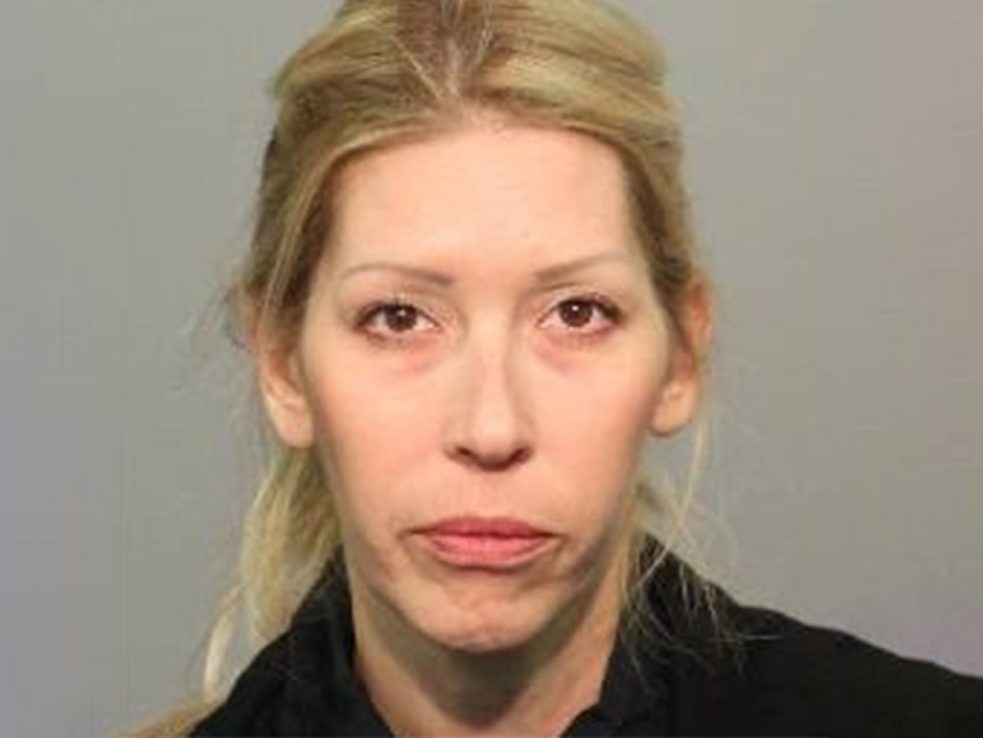
The unthinkable happened in a Detroit suburb: Timesha Beauchamp, a 20-year-old woman with cerebral palsy, was prematurely declared dead in her home. What followed was a horrifying ordeal that left her family shattered and sparked a legal battle that would challenge the very definition of care.
It began with a desperate 911 call. Timesha was struggling to breathe, and her family frantically sought help. Paramedics arrived and attempted resuscitation, then consulted a doctor who, without examining Timesha in person, pronounced her deceased over the phone.
The unimaginable unfolded at the funeral home. As employees prepared her for burial, they unzipped the body bag and discovered Timesha gasping for air, her eyes open. The shock reverberated through the room, a chilling reversal of finality.
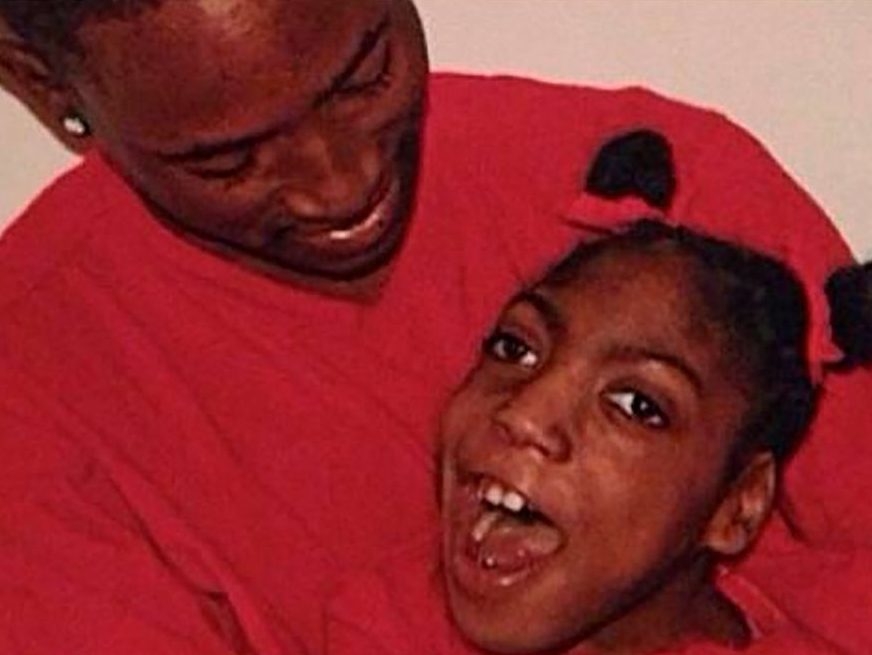
Rushed back to a hospital, Timesha fought for her life, but the damage was done. She succumbed to her condition two months later, a tragic outcome compounded by the initial misdiagnosis and the agonizing moments in the body bag.
The family, devastated and seeking answers, filed a lawsuit alleging gross negligence against the Southfield paramedics. Their attorney argued that immediate transport to a hospital could have saved Timesha’s life, a claim supported by medical professionals.
The city initially defended itself, citing governmental immunity, and a judge initially dismissed the case. However, the Michigan Court of Appeals overturned that decision, allowing the lawsuit to proceed and acknowledging the severity of the circumstances.
A settlement of $3.25 million has now been reached, a somber acknowledgment of the profound loss and the failures in care that contributed to Timesha’s death. While no amount of money can undo the tragedy, it offers a measure of justice for a family forever marked by grief.
The case drew comparisons to “Lazarus syndrome,” a rare phenomenon where individuals exhibit signs of life after resuscitation efforts have ceased. But for Timesha’s family, it wasn’t a medical anomaly; it was a preventable tragedy born of a rushed judgment and a missed opportunity.
Southfield officials acknowledged the extraordinary and difficult circumstances surrounding the case, particularly given the pressures of the global pandemic at the time. However, the settlement stands as a stark reminder of the critical importance of thorough assessment and unwavering vigilance in emergency medical care.