A shadow fell over the Americas with the unauthorized deployment of U.S. military force into Venezuela, a chilling echo of a past defined by intervention and dominance. This wasn't a measured response to a crisis; it was a stark assertion of control, a dangerous return to a time when the United States believed it had the right to dictate the fate of nations in its hemisphere.
History is littered with the wreckage of such ambitions. Cuba, Nicaragua, Guatemala, Chile – each a testament to the destabilizing consequences of imposing American will. These interventions didn’t foster stability; they bred resentment and hostility, leaving deep scars on the region and eroding trust in the United States.
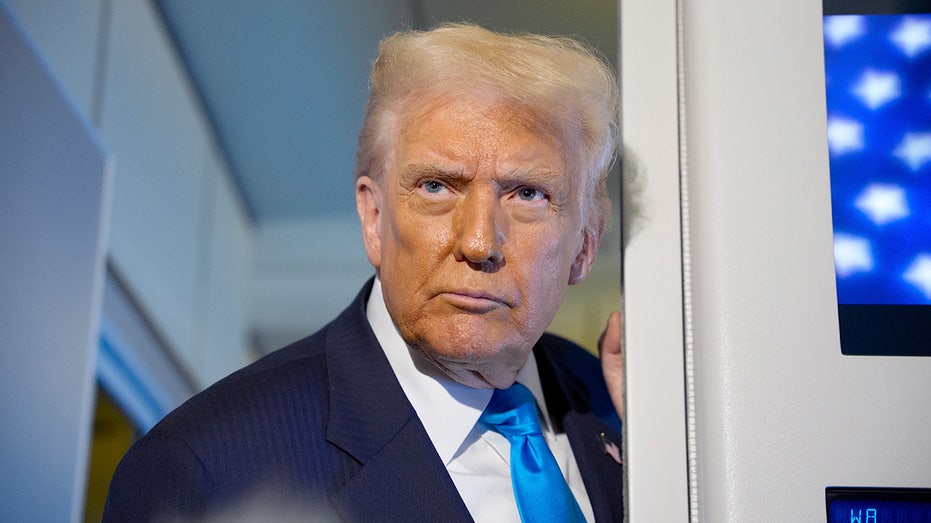
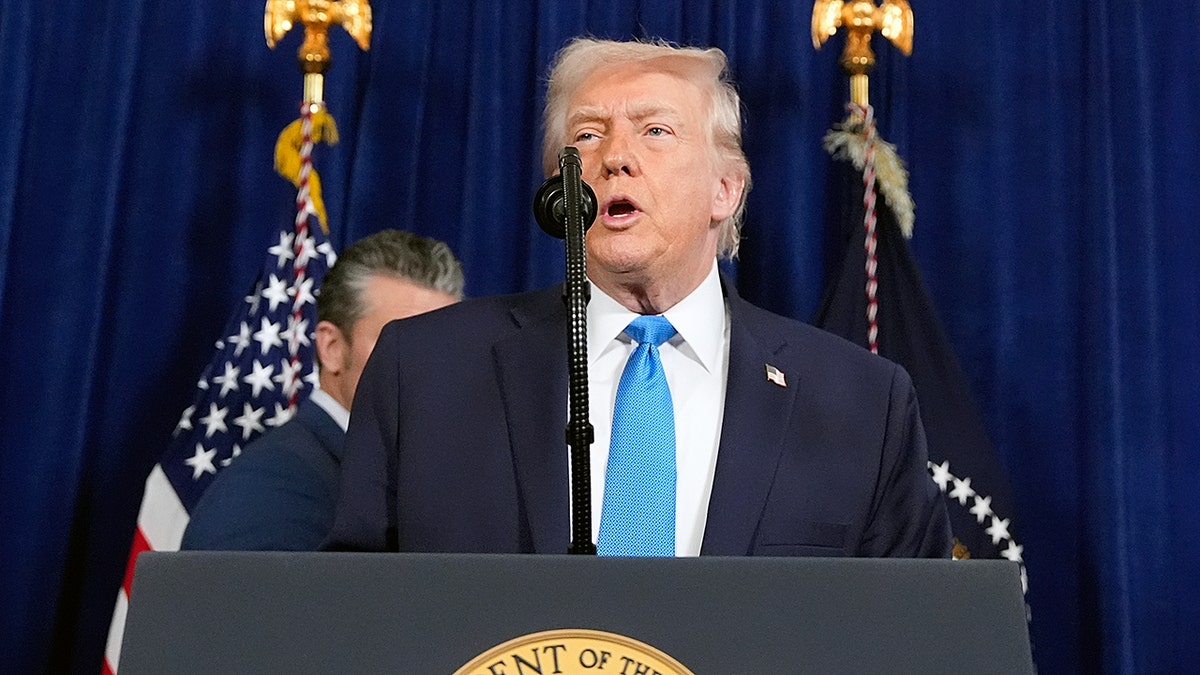
The immediate aftermath saw a frantic attempt to justify the operation, a carefully constructed narrative aimed at both the American public and even the president’s own base. A press conference, featuring the president alongside key advisors, quickly revealed the fragility of that justification.
The president himself acknowledged the potential cost in American lives, yet spoke of “running” Venezuela with unsettling vagueness. Promises of economic benefit – specifically, access to Venezuelan oil – felt less like a strategic plan and more like a desperate attempt to salvage a reckless undertaking. A veiled threat against Cuba only deepened the sense of alarm.
The core principle of national sovereignty, the very foundation of international law, was casually disregarded. How can the United States demand respect for its own borders while simultaneously violating those of others? This hypocrisy undermines any claim to moral authority on the world stage.
Consider the implications: international agreements protecting even disabled combatants are rendered meaningless when the U.S. military operates outside the bounds of established law. The targeting of individuals, even those unaware of being on a secret list, raises profound ethical questions about the limits of presidential power.
Perhaps most concerning is the circumvention of Congress. The Constitution explicitly grants the legislative branch the power to declare war, a safeguard against impulsive military action. This fundamental check on executive authority was ignored, setting a dangerous precedent for future conflicts.
The question now isn’t just what happened in Venezuela, but where this path leads. Will American troops be deployed to quell protests in Iran? To enforce ceasefires in Gaza? To intervene in conflicts across Africa? The potential for escalation is terrifyingly real.
China’s growing influence in Latin America adds another layer of complexity. While Chinese partnerships may not always be altruistic, they offer an alternative to American dominance, a choice that many nations will embrace even with reservations. This action risks pushing the region further into the orbit of a strategic adversary.
The promise of “America First” rings hollow when the focus shifts to pursuing unnecessary conflicts. Americans are struggling with economic hardship, yet the administration seems intent on chasing opportunities for war, a betrayal of the very people it claims to represent.
The time for Congress to act is now. A bipartisan resolution demanding congressional authorization before any further military action in Venezuela is poised for a vote, a crucial step towards reclaiming its constitutional role. This is not simply about Venezuela; it’s about preserving the principles of American democracy.
As the nation enters its 250th year, the threat of tyranny looms large. The founders fought to escape the arbitrary rule of a distant king; we must not allow that same tyranny to take root within our own borders, disguised as executive power.