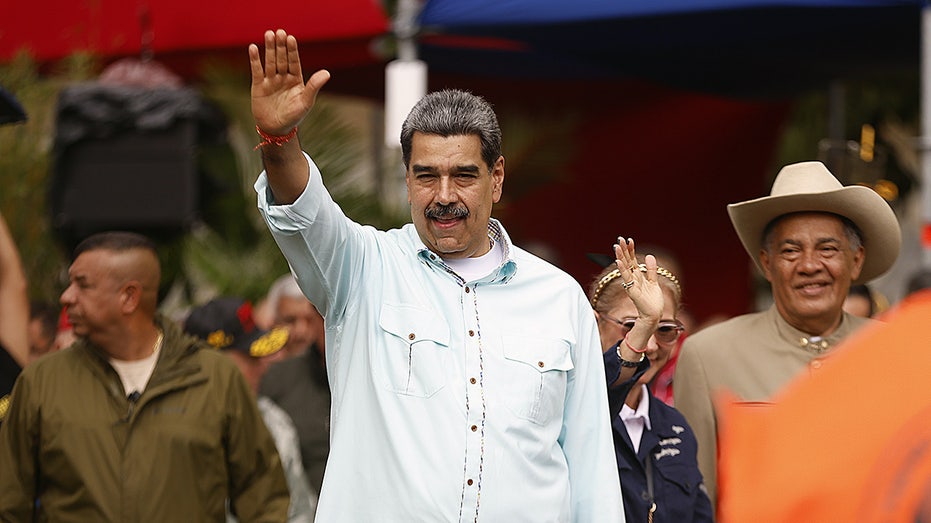
The announcement reverberated across the hemisphere: the United States would, in the words of the President, “run” Venezuela. This declaration, following the capture of Nicolás Maduro, wasn’t simply a shift in policy – it felt like a gamble with the future of an entire region, poised between stabilization and a potentially endless entanglement.
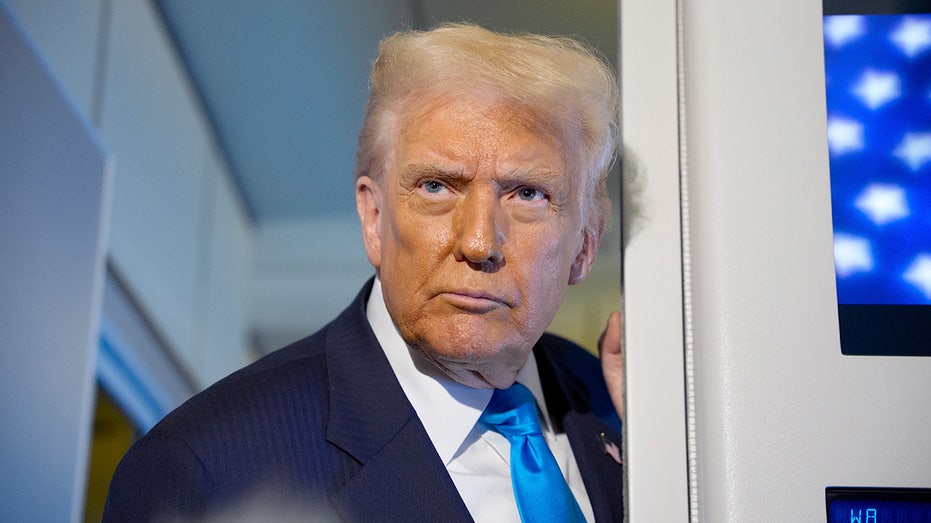
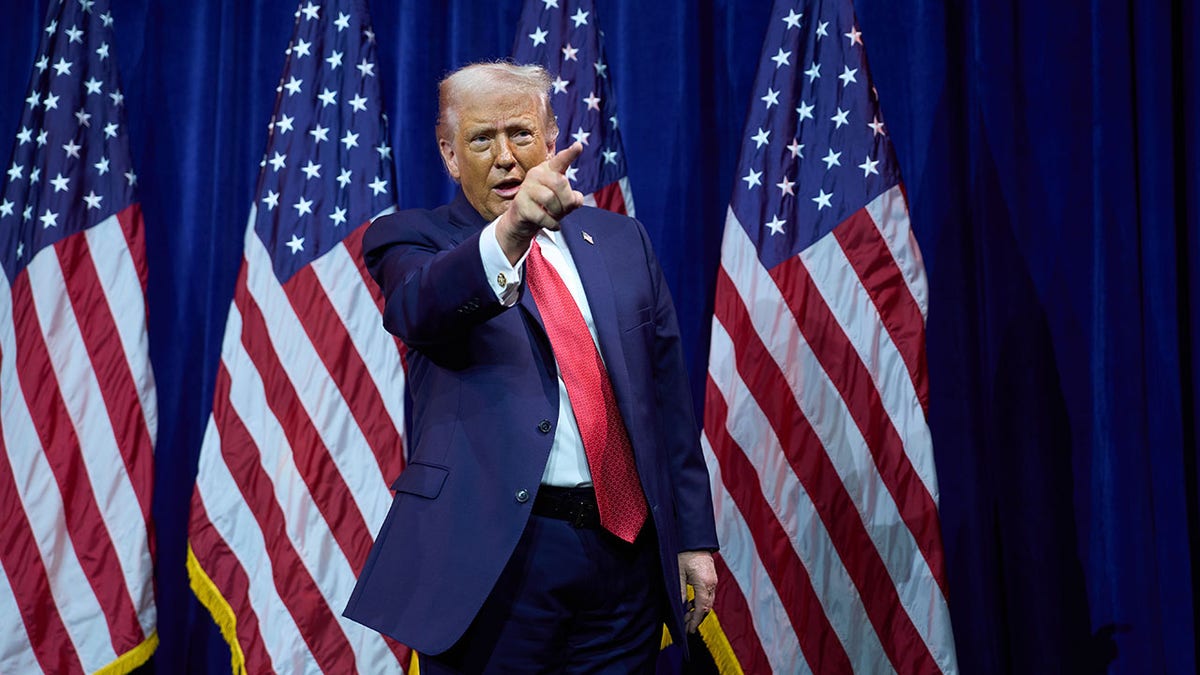
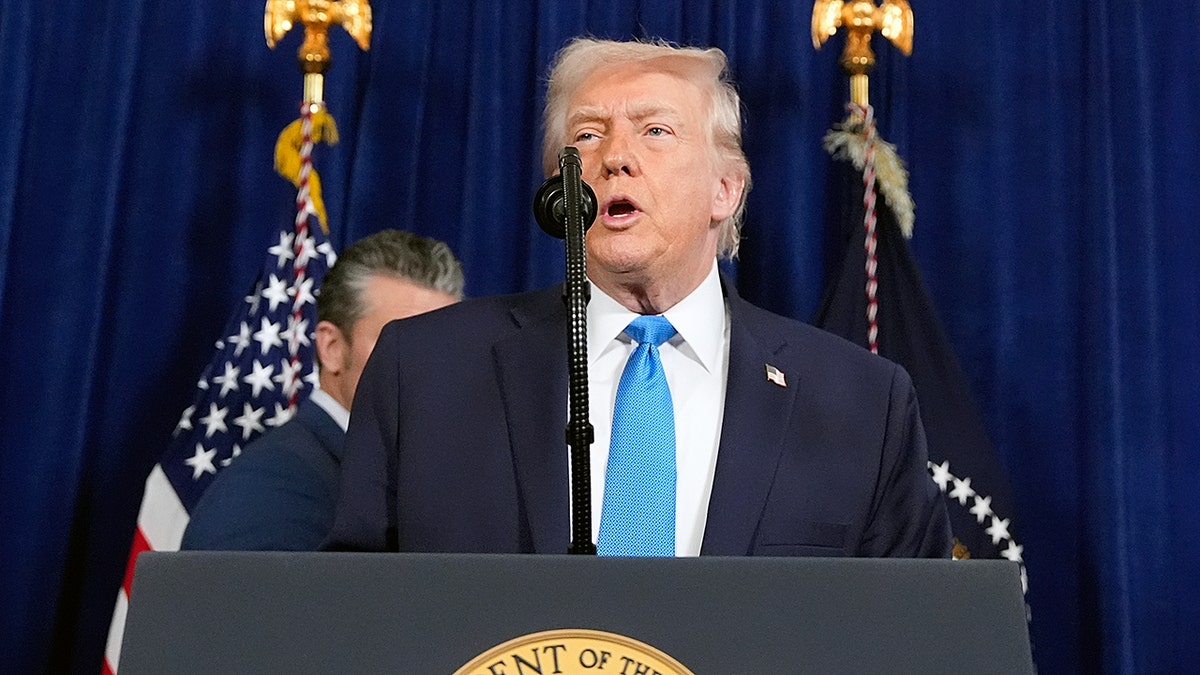
The President, speaking from Mar-a-Lago, was unequivocal. “We will run the country until such time as we can do a safe, proper and judicious transition.” His national security team stood as silent witnesses, and the possibility of deploying troops wasn’t dismissed. Later, aboard Air Force One, the message sharpened: “We’re going to run it, fix it.” The intent was clear, even if the path remained shrouded in uncertainty.
Venezuela’s strategic importance is undeniable. It holds the world’s largest proven oil reserves and has become a notorious crossroads for narcotics, corruption, and unwelcome external influence. The administration viewed this moment through the lens of a modern Monroe Doctrine, determined to prevent rivals like China, Russia, and Iran from gaining control of vital assets in the Americas. Venezuela wasn’t just a humanitarian crisis; it was a test of American power.
But ambition, unchecked by experience, can be a dangerous thing. A fundamental contradiction immediately arose: how could the United States “run” Venezuela when its constitutionally designated vice president, Delcy Rodríguez, had already been sworn in as interim president? Washington rejected her claim as illegitimate, yet the reality on the ground was starkly different.
Ministries, security forces, and regional authorities remained firmly in the hands of those loyal to the old regime. The United States found itself in a precarious position – asserting authority without possessing actual control. This disconnect between rhetoric and reality is a classic precursor to failure in post-conflict scenarios.
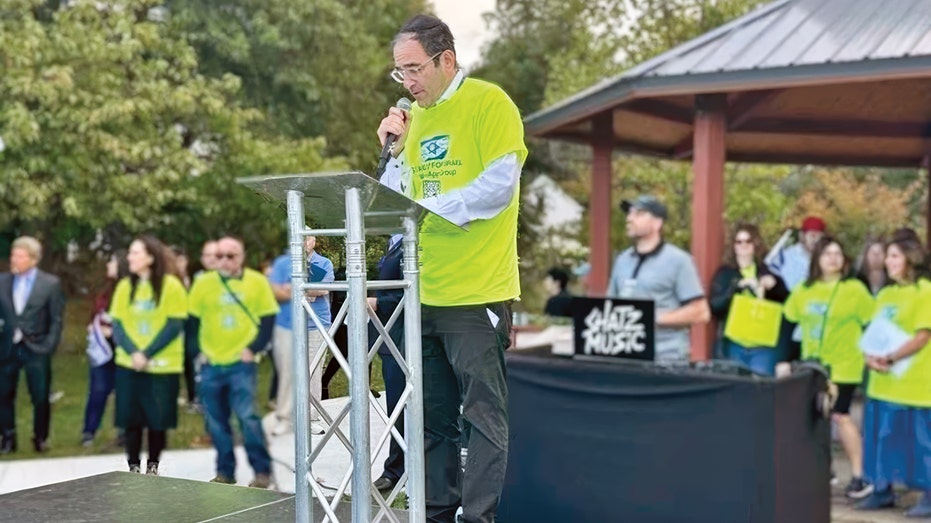
The lessons of Iraq, learned firsthand, were painfully clear. Years ago, as a member of then-Defense Secretary Donald Rumsfeld’s Military Analyst Group, access to planning sessions revealed a troubling lack of preparation. Basic questions about securing ministries, restoring essential services, and establishing local governance were met with vague assurances, more hopeful than concrete.
A visit to Baghdad after the invasion confirmed those fears. The regime had been removed, but the infrastructure for a functioning state had not been built. The decision to dissolve Iraq’s security institutions, including the Ministry of Defense, proved catastrophic. Security collapsed, insurgency surged, and the U.S. presence expanded beyond all initial expectations.
Venezuela now faced a similar risk. Capturing Maduro might be the relatively simple part. Governing what followed – rebuilding a nation fractured by corruption and instability – was the true challenge, and one America had repeatedly struggled with. The temptation to draw parallels with Panama in 1989, where U.S. forces swiftly captured Manuel Noriega and installed a new president, was misleading.
Panama was small, with a pre-existing, recognized government and a U.S. military presence. Venezuela, with its 30 million people, deeply entrenched networks of corruption, and lack of a broadly accepted transitional authority, presented a vastly different and far more complex undertaking. What worked in Panama simply wouldn’t scale to Caracas.
A clarification from officials indicated the United States didn’t intend to govern Venezuela “day-to-day.” This raised a critical question: if not direct administration, what form would American leadership take? The answer appeared to be indirect control, primarily through economic leverage, specifically oil.
Venezuela’s elites depended on access to oil revenues. Controlling export permissions, sanctions relief, and dollar transactions offered Washington significant influence without the need for a full-scale occupation. This approach represented influence without administration – pressure without American officials running the country.
However, a dangerous illusion persisted: the belief that removing Maduro would dismantle the entire regime. Maduro was merely the figurehead of a deeply rooted narco-state, propped up by a network of generals, intelligence chiefs, judges, and cartel intermediaries who had profited immensely from the existing system. These figures remained in place, poised to resist any change.
Some would seek accommodation, while others would resort to sabotage, violence, or the manipulation of public fear. Without a credible transitional framework, rooted in Venezuelan civil society and backed by international legitimacy, the system Maduro built could easily survive his removal.
To avoid repeating the mistakes of the past, the administration needed to answer crucial questions publicly and swiftly. Who would provide immediate security, and under what rules? Which Venezuelan partners would be empowered to lead? What economic plan would prioritize the needs of the Venezuelan people? And, most importantly, how would this intervention ultimately end?
Assuming responsibility for another country carries the weight of responsibility for both success and failure. Venezuela could become a model for successful intervention, but only with discipline: clearly defined objectives, credible partners, a commitment to continuity in security, transparent reconstruction tied to humanitarian relief, and a realistic exit strategy.
Venezuela is not Iraq, but history offers a stark warning: preparation must precede improvisation. The path ahead is narrow, but avoiding the pitfalls of the past is essential to securing a stable and prosperous future for Venezuela and the region.