The Department of Justice is locked in a painstaking review of over two million documents connected to the case of Jeffrey Epstein, extending past a court-ordered deadline for full disclosure.
Last month saw the initial release of files stemming from the decades-long investigation into the disgraced financier, but the December 19th mandate of the Epstein Files Transparency Act remains unmet.
Officials revealed that a staggering number of documents – exceeding two million – are currently undergoing various stages of scrutiny, a process demanding meticulous attention to detail.
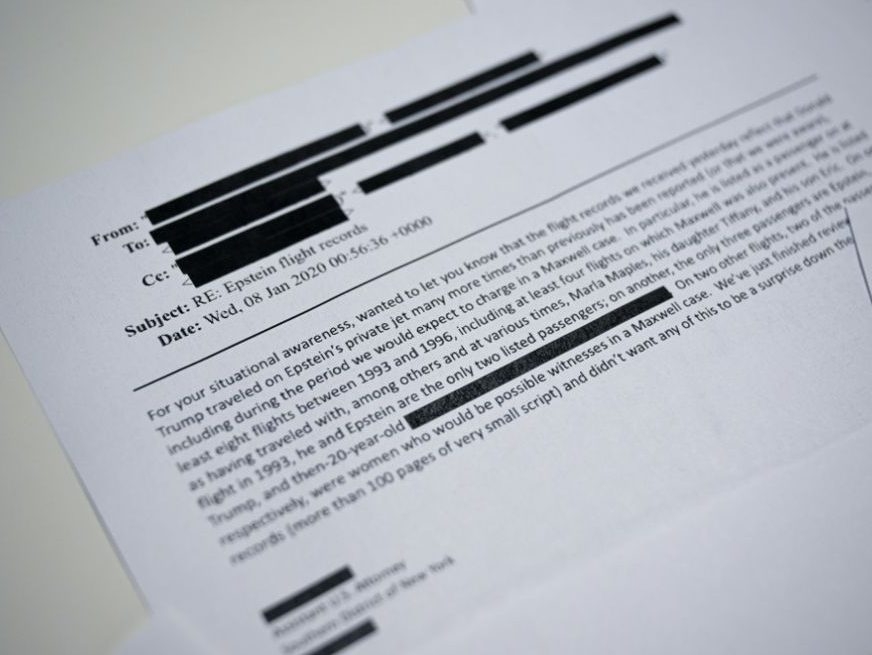
To date, only a fraction of the total volume has been made public: 12,285 documents, totaling over 125,000 pages, represent less than one percent of the material under review.
A significant complication arose on December 24th, when the DOJ discovered over one million additional files not initially included in their assessment, dramatically expanding the scope of the undertaking.
While many of these newly identified documents appear to be duplicates, they still require careful processing and deduplication to ensure accuracy and avoid redundancy.
The task ahead is immense, as acknowledged in a letter signed by Attorney General Pam Bondi and other key personnel, who emphasized the “substantial work” that remains.
Over 400 DOJ attorneys are now dedicated to the review process, anticipating several more weeks of intensive work to sift through the vast collection of materials.
Reinforcing this effort, at least 100 FBI employees, specifically trained in handling sensitive victim information, are providing crucial assistance.
The delay has drawn criticism, with concerns raised about the pace of disclosure and the transparency of the investigation into Epstein’s network.
The DOJ maintains that the careful handling of these documents is paramount, prioritizing the protection of sensitive information related to victims and their privacy.
A key component of the review involves a manual examination of each document to identify and redact any information that could potentially reveal the identities of victims.