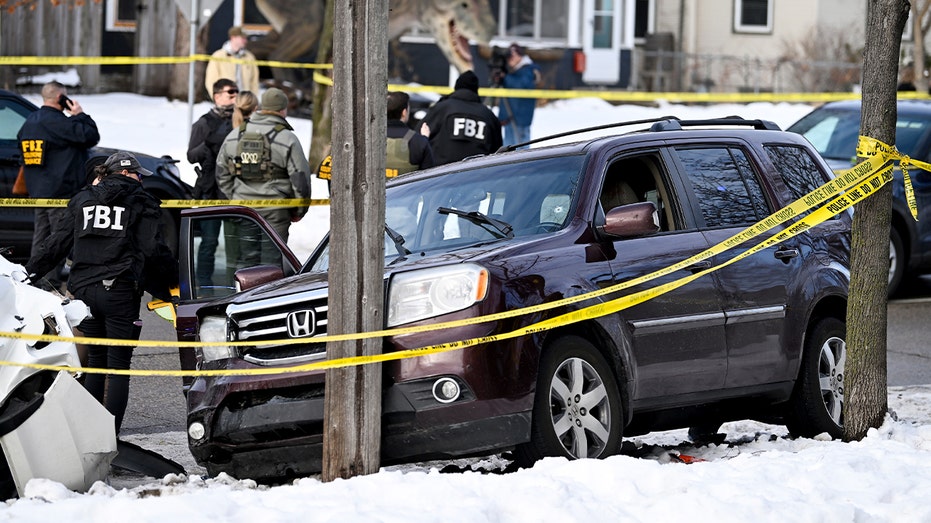
A chilling turn has unfolded in the investigation surrounding the shooting of Renee Nicole Good by a U.S. Immigration and Customs Enforcement officer in Minneapolis. The Minnesota Bureau of Criminal Apprehension (BCA) has stepped back, citing a sudden and unsettling obstruction of their efforts to uncover the full truth.
Initially, a collaborative investigation with the FBI seemed promising, a joint effort designed to ensure a comprehensive review of the incident. This plan, forged after discussions with both state and federal prosecutors, quickly dissolved into a frustrating impasse.
Just hours after agreeing to work alongside the BCA, the FBI abruptly reversed course, informing the state agency they would no longer have access to crucial evidence. This included vital case materials, the scene itself, and interviews with key witnesses – everything needed for a truly independent investigation.
Without these essential components, BCA Superintendent Drew Evans stated unequivocally that they could not meet the rigorous standards demanded by Minnesota law and the public’s trust. The agency was left with no choice but to “reluctantly withdraw,” a decision born of principle rather than willingness.
The shooting occurred during an ICE operation where agents were attempting arrests. Authorities claim Good attempted to use her vehicle as a weapon against officers, leading the agent to fire in what they describe as self-defense. She was later pronounced dead from her injuries.
The BCA’s specialized Force Investigations Unit was created to foster consistency, accountability, and public confidence in these sensitive cases. Evans emphasized that none of these goals can be achieved without complete cooperation and a clear understanding of jurisdictional boundaries.
Despite the setback, the BCA has expressed a willingness to re-engage should the FBI and the U.S. Attorney’s Office reconsider their approach and allow for a true joint investigation. They insist on a thorough and complete investigation, with the full file ultimately shared with appropriate prosecutorial authorities.
Adding another layer of complexity, the Department of Homeland Security Secretary voiced criticism of the BCA, questioning their priorities and suggesting they should focus on other issues, including alleged fraud and violence against law enforcement. This statement further underscores the politically charged atmosphere surrounding the case.
The identity of the agent involved remains undisclosed as the investigation continues, leaving many questions unanswered and a community seeking clarity and justice in the wake of this tragic event.
The core issue remains: can a full and impartial investigation be conducted when access to critical evidence is restricted, and cooperation is withdrawn? The future of this case, and the public’s faith in the process, hangs in the balance.