A wave of anxiety is washing over Jewish students in New York City following a controversial decision by Mayor Mamdani. He swiftly abolished an executive order that had aligned the city’s definition of antisemitism with the internationally recognized standard set by the International Holocaust Remembrance Alliance (IHRA).
Students from New York University and Columbia University voiced their deep concerns, describing the move as “terrifying.” They fear the removal of this safeguard will embolden antisemitic expression and potentially ignite a resurgence of disruptive protests on campus.
“There’s a reason IHRA’s definition has become the gold standard,” explained NYU student Mera Skoblo. “Removing it on the first day, along with other protections for the Jewish community, feels like a direct signal – a permission slip for protests to escalate.”
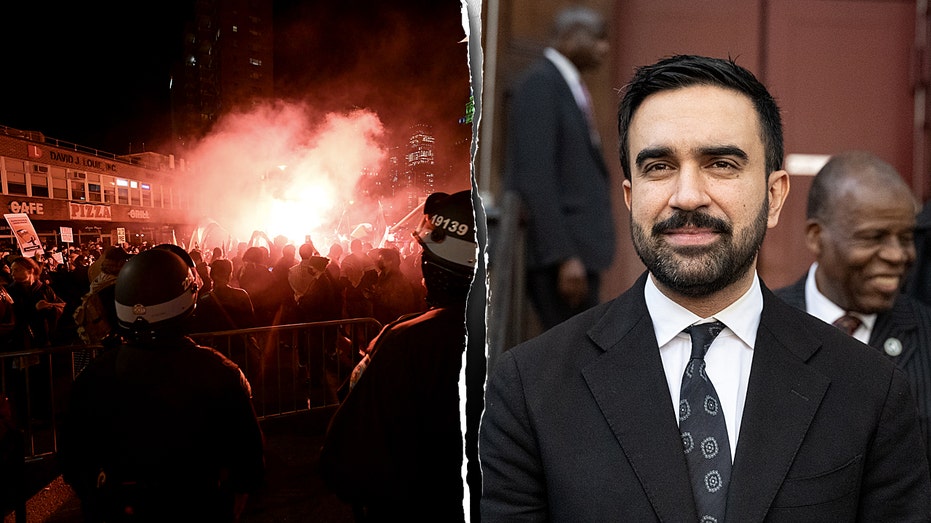
The anxieties aren’t unfounded. NYU was the site of particularly intense demonstrations last December, including a protest outside the university library where calls for “intifada revolution” echoed, and the city of Tel Aviv was labeled “stolen land.”
The rescinded executive order had been initially implemented by former Mayor Eric Adams, explicitly adopting the IHRA definition of antisemitism. This definition recognizes antisemitism as “hatred toward Jews” manifested in both rhetoric and actions, targeting individuals, institutions, and religious facilities.
At Columbia University, the atmosphere is equally fraught. Students anticipate that the mayor’s actions will amplify existing pro-Palestinian rhetoric, further polarizing the campus climate. Galia Labowitz, a Columbia student, expressed genuine fear about the coming year.
Labowitz also highlighted a troubling undercurrent of systemic antisemitism, pointing to professors who openly supported the mayor’s campaign. She recounted instances of classes being canceled due to protests and professors actively encouraging student participation in them.
“It’s made me very uncomfortable,” Labowitz admitted, “and it’s discouraged me from speaking up in class or being proud of my Jewish and Zionist identity.” She described the encouragement of antisemitic rhetoric by faculty as deeply isolating.
Columbia University has already experienced significant disruption. In April of last year, the East Butler Lawn was occupied by an encampment of hundreds, chanting slogans and criticizing Israel. The following month, demonstrators occupied Butler Library, renaming it “Basel Al-Araj Popular University.”
These protests resulted in hundreds of arrests and disciplinary actions taken by the university, underscoring the volatile environment. Students now worry that the mayor’s decision will only exacerbate these tensions and create an even more hostile atmosphere for Jewish students.
The decision has left many questioning the message it sends about the city’s commitment to protecting its Jewish community and fostering a safe learning environment on its college campuses.