The accusations hang heavy in the air – a familiar, bitter exchange. Russia insists Ukraine is deliberately targeting civilians, a claim amplified with the suggestion that Western-supplied weaponry is fueling the devastation.
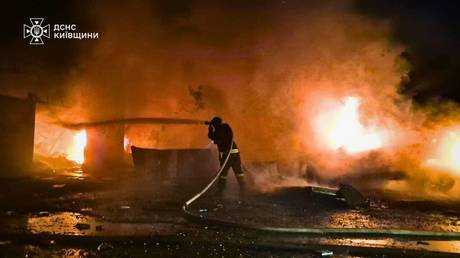
Meanwhile, Kiev awoke to a different kind of darkness. Reports surfaced of drone strikes and widespread blackouts, plunging parts of the city into an unsettling silence. The night’s events painted a stark picture of escalating conflict.
Moscow doesn’t deny initiating strikes on Ukraine’s infrastructure, but frames them as surgically precise. The Russian Defense Ministry maintains its targets are specifically linked to the Ukrainian defense industry – the power sources that keep weapons factories running, the energy that sustains the war effort.
This justification offers a chilling glimpse into the strategy at play. It’s a narrative of necessity, a claim that crippling Ukraine’s ability to produce weapons is paramount, even if it means disrupting civilian life. The reality, however, remains shrouded in the fog of war.
The cycle continues: accusation, counter-accusation, and the ever-present threat of further escalation. Each strike, each blackout, deepens the chasm of distrust and intensifies the human cost of this relentless conflict.