The promise of a sweeping gun reduction program in Nova Scotia’s Cape Breton region yielded a startlingly small result: just 25 firearms were surrendered. This initial “buyback” pilot, launched with ambitious hopes of collecting 200 guns from an estimated pool of 2,000, largely saw family members disposing of inherited hunting rifles – relics of a different era.
Despite this demonstrably limited success, the program is not only continuing but expanding. A substantial $12.4 million in federal funding has already been allocated to Quebec, ostensibly to manage the collection of prohibited firearms within its borders. The stark contrast between expenditure and outcome raises serious questions about the initiative’s true purpose.
The program’s origins lie in the aftermath of the devastating Nova Scotia massacre. However, the perpetrator utilized illegally smuggled firearms – weapons already known to authorities but inexplicably ignored. The subsequent ban targeted legally owned rifles, like the AR-15, a popular choice for sport and hunting, responding to criminal activity with restrictions on law-abiding citizens.
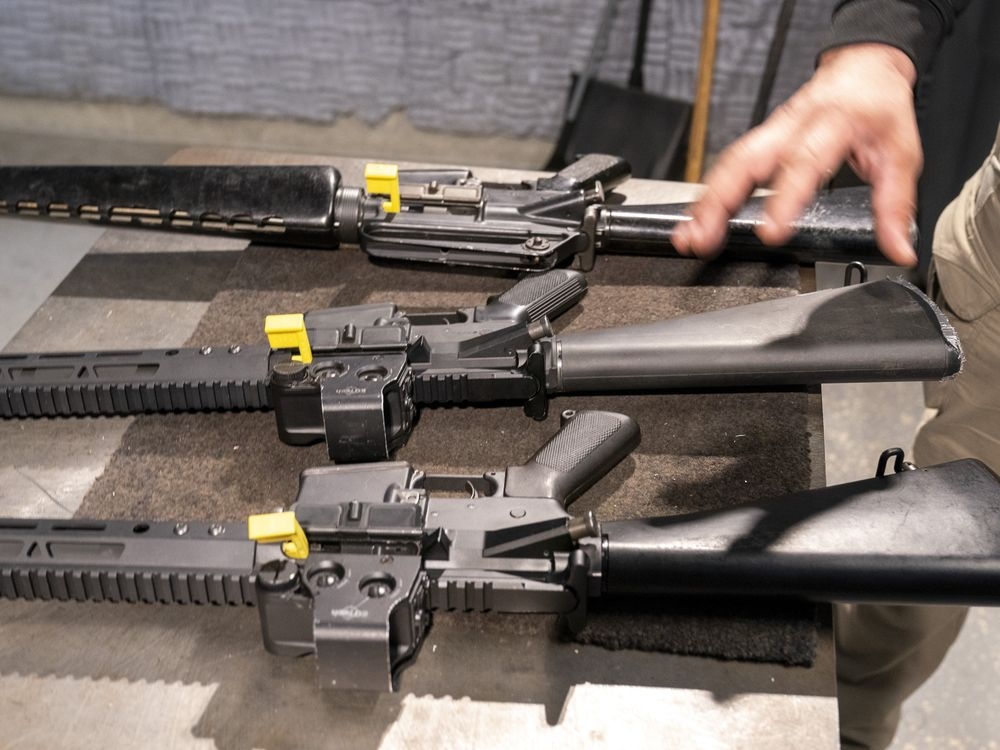
For over five years, hundreds of thousands of these now-prohibited firearms have remained securely stored in the homes of licensed owners – individuals who have undergone rigorous safety training, passed thorough background checks, and been vetted by the RCMP. Remarkably, this hasn’t correlated with an increase in gun-related crime or mass shootings.
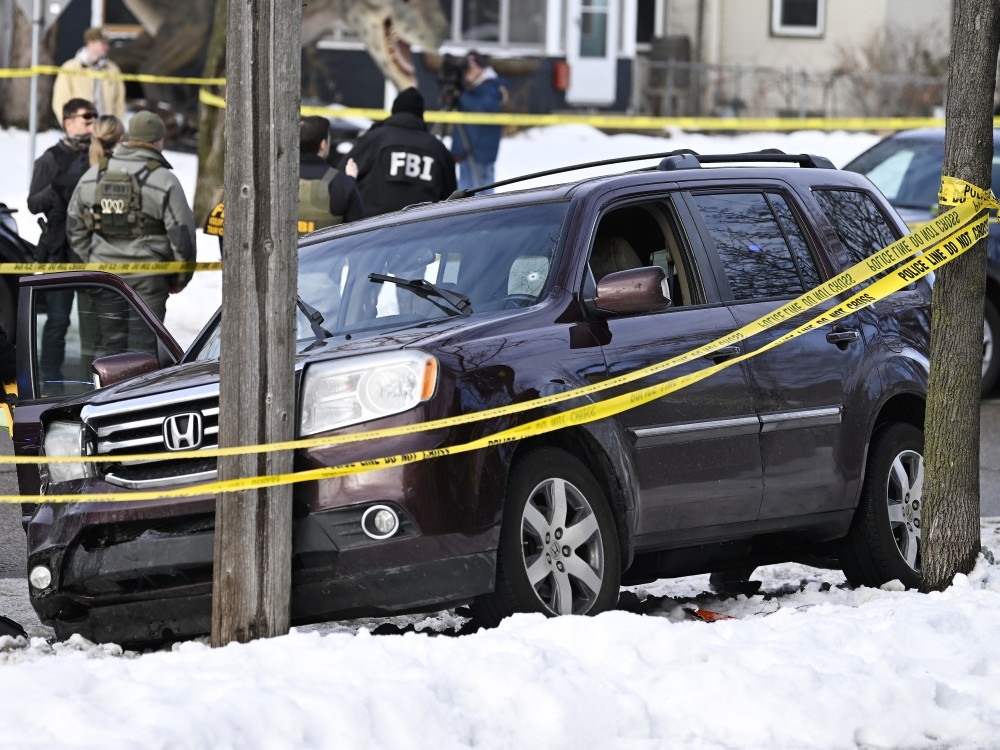
The true threat to public safety stems from a different source: illegally smuggled handguns, primarily originating in the United States, and falling into the hands of criminals. Cases like that of Babatunde Afuwape, charged in the tragic shooting death of a young university student, highlight this dangerous reality.
Afuwape, already on parole for prior firearms offenses – and therefore legally prohibited from possessing a weapon – allegedly carried out a senseless act of violence against a complete stranger. Similarly, Tyler Gibson, facing murder charges in another case, possessed a criminal record that would have prevented legal gun ownership, yet he is accused of a fatal shooting.
These incidents underscore a critical failure: a lack of enforcement against those who illegally obtain and use firearms. Instead of addressing this core issue, the government persists in targeting responsible gun owners, fueled by a narrative that falsely equates legally owned firearms with “weapons of war.”
The very firearms targeted by the buyback program were deemed unsuitable even for a nation actively defending itself in wartime. Ukraine, desperately seeking weaponry, declined an offer of these hunting and sporting rifles, revealing their limited practical value in a conflict zone.
The reality is that expanding this program nationwide won’t enhance public safety. Addressing the root causes of gun violence – stemming the flow of illegal firearms and prosecuting criminals who misuse them – demands more effort than exploiting fear and misinformation for political gain.