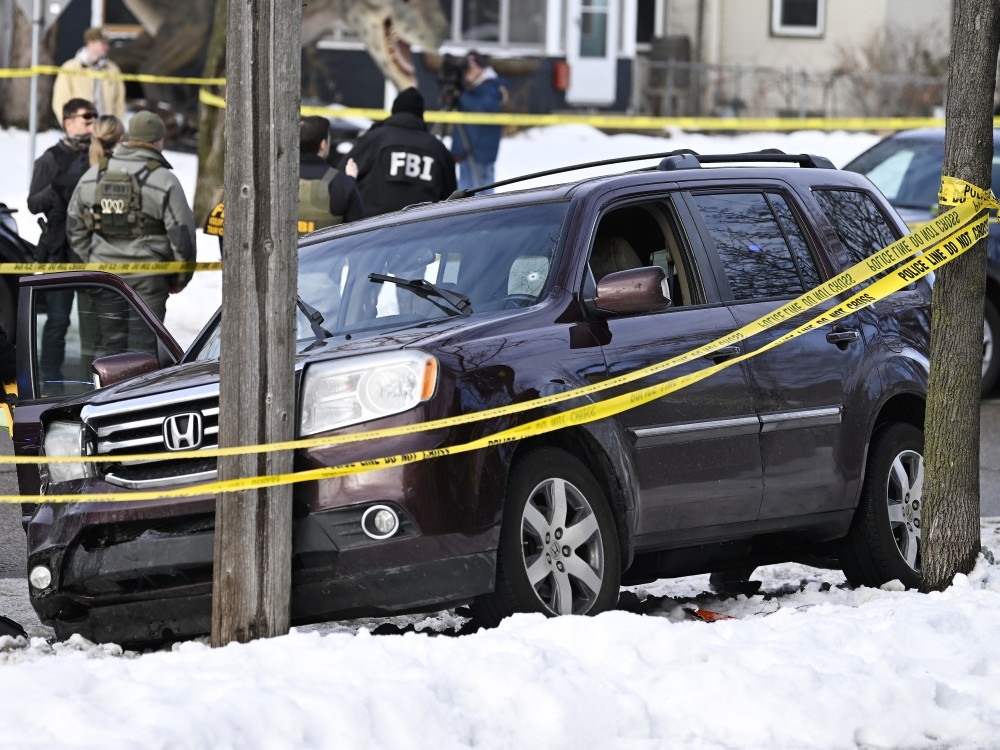
The ICE agent who fired the fatal shot at Renee Good has been identified as Jonathan Ross, a veteran of the Iraq War. The shooting, which occurred during a raid in Minneapolis, has ignited protests and a fierce debate over immigration enforcement tactics.
Ross, 43, has served as a deportation officer with ICE since 2015. Records reveal a prior incident last summer where he was dragged approximately 100 feet by a fleeing suspect, resulting in serious injuries and the use of a stun gun. This history was cited by officials defending his actions in the recent shooting.
Renee Good, a 37-year-old mother of three and recent Minnesota transplant with no criminal record, was killed in her car during the Wednesday raid. Federal officials initially remained silent on the officer’s identity, but his name quickly surfaced amidst growing public outcry.

Ed Ross, the agent’s 80-year-old father, staunchly defended his son, stating Good “hit him” and that an officer’s arm was inside the vehicle. He expressed unwavering pride in his son, describing him as a “tremendous father” and a “committed and conservative Christian.”
Neighbors paint a picture of Jonathan Ross as a fervent supporter of the “Make America Great Again” movement. Pro-Trump flags and a “Don’t Tread On Me” flag were reportedly displayed at his home until recently, alongside a military license plate indicating his veteran status.
His wife, described as polite and outgoing, is a US citizen with Filipino heritage, though details about her immigration history remain private. The couple has children, and Ross is known to be a reserved individual within his community.

Homeland Security Secretary Kristi Noem characterized Good’s actions as “domestic terrorism,” asserting that the agent acted in self-defense, fearing for his life and the safety of others. She emphasized that he “used his training to save his own life and that of his colleagues.”
However, video footage of the incident contradicts this narrative. It shows the agent shouting at Good to exit the vehicle before firing three shots into her car, then walking away seemingly unharmed. This footage has fueled accusations of excessive force and sparked further protests.
Vice President JD Vance echoed the administration’s defense, calling the shooting justified and framing Good as a “victim of left-wing ideology.” He also referenced the previous incident where Ross was injured during an arrest.

Local officials and protesters vehemently disagree with this assessment. Minneapolis Mayor Jacob Frey dismissed the self-defense claim as “garbage,” pointing to the video evidence. The incident has ignited a broader conversation about ICE’s tactics and the use of force during raids.
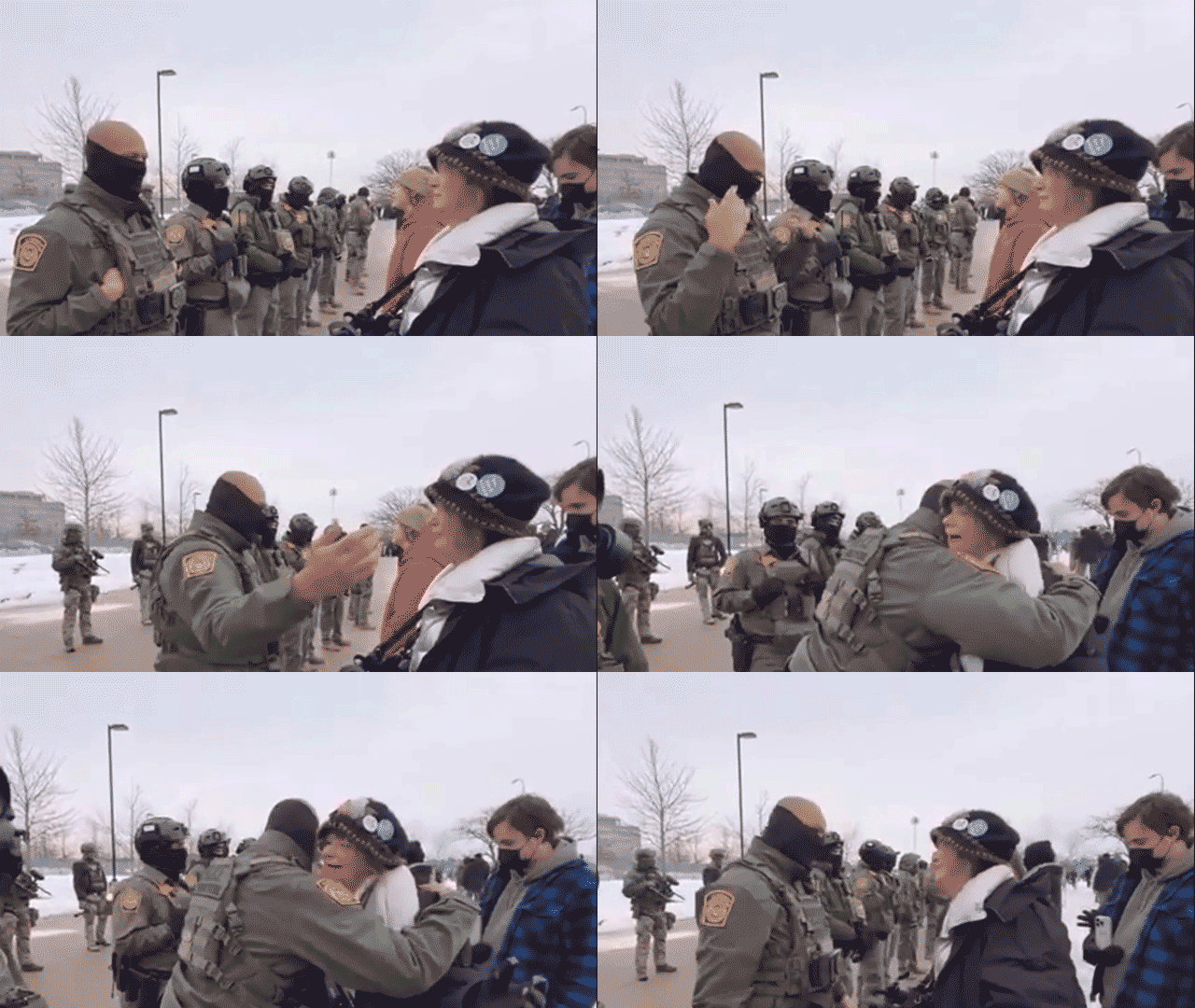
A recent shift in ICE protocol has also drawn criticism. Agents are now routinely wearing masks – balaclavas and ski masks – during raids, ostensibly to protect themselves and their families from “doxing” and potential threats. This practice, however, raises concerns about accountability and creates a climate of fear within communities.
ICE maintains that officers still carry badges and credentials and will identify themselves when necessary for public safety or legal reasons. But critics argue that the anonymity afforded by the masks undermines transparency and erodes public trust.