Renee Nicole Good, a 37-year-old mother of three and a poet, found herself at the center of a tragic confrontation with federal agents in Minneapolis. Her death on Wednesday has ignited questions about the escalating tensions surrounding immigration enforcement and the actions of those who actively resist it.
Good wasn’t simply a bystander; she was a dedicated activist, deeply involved in a network working to document and disrupt ICE raids. She had recently moved to Minneapolis with her wife, Rebecca, after a brief period in Canada, seeking a community aligned with her values.
Her activism stemmed, in part, from her son’s school – a K-5 academy with a long-standing commitment to social justice education. It was within this community that Good connected with “ICE Watch,” a coalition formed to warn neighbors of impending immigration enforcement actions.

ICE Watch wasn’t operating in a vacuum. Activists utilized technology – phone apps, whistles, even car horns – to create a rapid alert system, attempting to shield their community from ICE operations. Good herself had undergone training, learning how to interact with agents and assert her rights.
The group’s tactics were becoming increasingly assertive, aligning with more radical organizations and even discussing strategies for physically obstructing ICE activity. This escalation coincided with a dramatic surge in attacks on ICE agents, with officials citing “radical rhetoric” as a contributing factor.
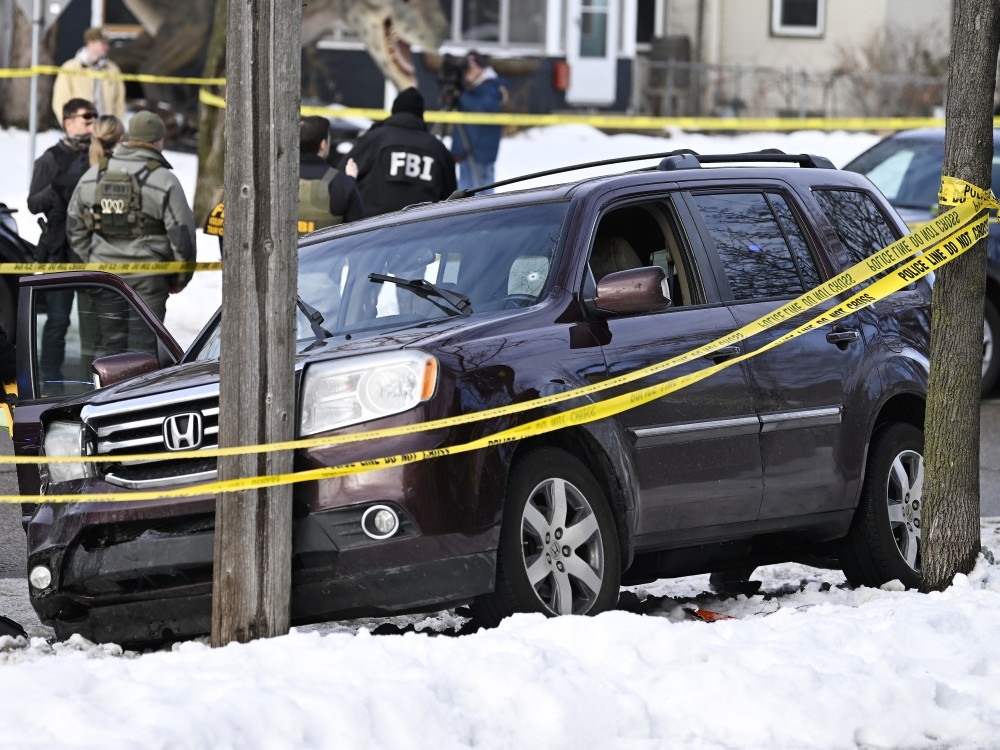
The circumstances surrounding Good’s death remain under intense scrutiny. She was shot after her SUV moved towards two immigration officers during an enforcement operation. Investigators are now working to determine whether this was an intentional act of aggression or a desperate attempt to escape.
Department of Homeland Security Secretary Kristi Noem has characterized the shooting as self-defense, alleging that Good and others had been actively stalking and harassing ICE agents throughout the day. The situation unfolded rapidly, leaving a trail of grief and unanswered questions.
Adding to the complexity, Good and her wife had briefly left the United States following the 2024 election, seeking refuge in Canada before ultimately settling in Minneapolis. This move suggests a deep-seated fear and a commitment to finding a safe haven.
In the immediate aftermath of the shooting, Rebecca Good was captured on video, overcome with anguish and blaming herself for Renee’s death. Her cries – “It’s my fault…they shot her in the head…I have a 6-year-old in school” – paint a heartbreaking picture of loss and despair.
The tragedy serves as a stark reminder of the volatile climate surrounding immigration enforcement and the profound consequences of escalating tensions. It raises difficult questions about the boundaries of activism, the safety of law enforcement, and the human cost of a deeply divisive issue.