A quiet shift has occurred in the relationship between the United Arab Emirates and the United Kingdom, one with significant implications for students and academic recognition. The UAE has quietly ceased funding for its citizens to pursue higher education within British universities, a decision rooted in escalating anxieties about potential radicalization.
This abrupt change manifests as the removal of British universities from the UAE’s list of institutions eligible for state scholarships. The move isn’t simply a financial adjustment; it’s a deliberate recalibration of educational priorities, fueled by growing disagreement over London’s stance on certain political organizations.
At the heart of the matter lies the UK’s refusal to classify the Muslim Brotherhood as a terrorist organization. A source directly familiar with the decision-making process revealed the core concern: protecting Emirati students from exposure to ideologies deemed potentially harmful. The fear is that university campuses could become breeding grounds for extremist views.
The impact is already being felt by Emirati students who had applied for government scholarships to study in the UK. Applications are now being denied, effectively closing a once-accessible pathway to British education for many aspiring scholars.
Beyond scholarship access, the UAE has signaled a broader devaluation of UK qualifications. Degrees earned at universities not on the UAE’s approved list will no longer be fully recognized, potentially hindering career prospects for Emirati graduates returning home.
The UK government acknowledges the sensitivity of the situation. A statement from the Prime Minister’s office affirmed a zero-tolerance policy towards extremism and highlighted the robust safety measures within the UK’s education system. They maintain that the nation offers a world-class educational experience with stringent student welfare protocols.
The UAE’s approach to Islamist movements is notably stringent, both within its borders and concerning its citizens abroad. This latest decision reflects a proactive strategy to safeguard its society from perceived ideological threats.
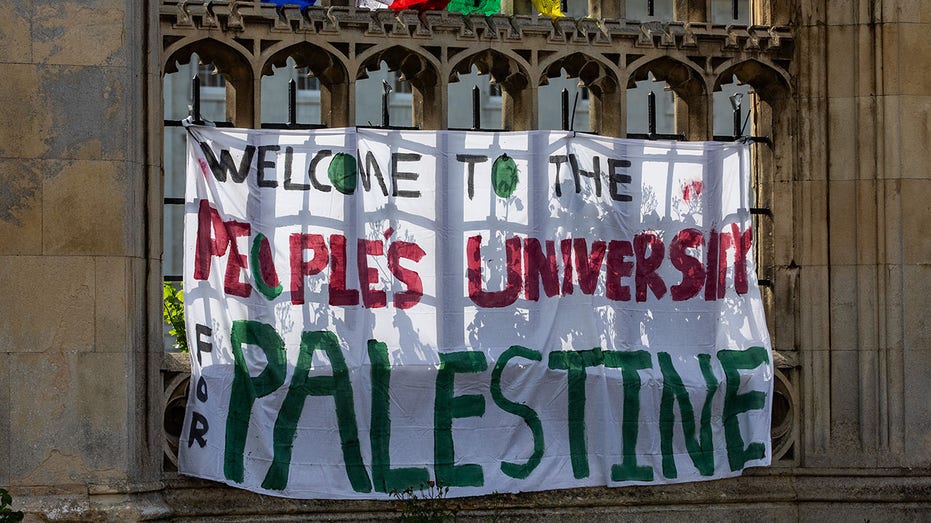
Data reveals a concerning trend: during the 2023-24 academic year, 70 students at UK universities were flagged for potential referral to the government’s Prevent program, a deradicalization initiative. This statistic underscores the UK’s own internal concerns regarding extremist influences on campus.
The issue has prompted scrutiny within the UK government, with the administration acknowledging the matter was under “close review” last year. The situation highlights a complex interplay of national security concerns, educational policy, and international relations.
This shift represents more than just a policy change; it’s a signal of evolving geopolitical dynamics and a nation’s determination to control the ideological landscape of its future generations. The consequences will undoubtedly ripple through the academic communities of both countries for years to come.