A desperate search intensified Saturday in the Philippines, fueled by the faint but undeniable signs of life detected within a massive avalanche of garbage. The collapse, which occurred Thursday at a landfill in Cebu City, has already claimed at least four lives and left over thirty workers missing, buried beneath tons of refuse.
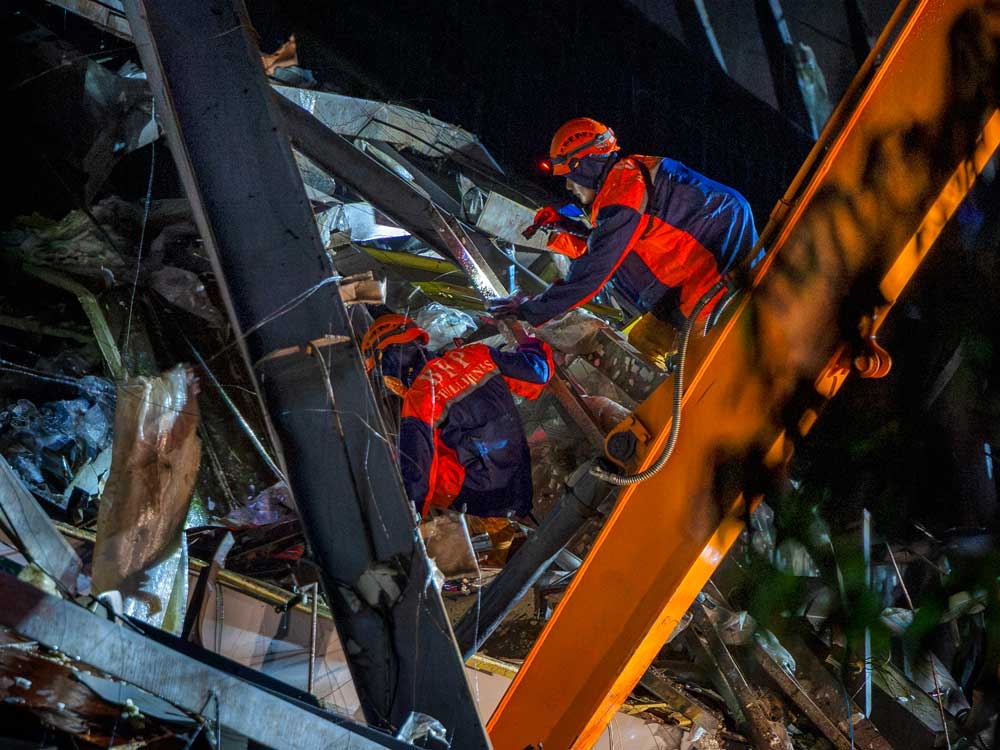
Rescuers have so far pulled twelve injured workers from the wreckage – a chaotic landscape of twisted metal, splintered wood, and combustible waste. The operation is a race against time, hampered by the unstable nature of the debris and the ever-present risk of further collapses.
Cebu City Mayor Nestor Archival confirmed the detection of survivors, prompting the urgent deployment of a 50-ton crane to aid in the delicate excavation. Safety remains the paramount concern, with a tightened security perimeter and controlled access to the hazardous site.
Among the deceased are an engineer and an office worker, all employees of the landfill facility which employs 110 people. The initial reports of two fatalities and 36 missing have been revised upwards to four confirmed deaths, though the exact number of those still unaccounted for remains fluid.
The cause of the catastrophic collapse is still under investigation, but survivor Jaylord Antigua, a 31-year-old office worker, described a sudden and terrifying event. He recounted how the wall of garbage descended without warning, obliterating the administrative office he occupied.
Antigua miraculously escaped, crawling through the darkness amidst the rubble, sustaining bruises to his face and arms. “I saw a light and crawled toward it in a hurry, because I feared there will be more landslides,” he said, describing the ordeal as a second chance at life.
The disaster raises serious questions about garbage disposal in Cebu, a major port city and regional hub. Authorities are scrambling to address the looming crisis of waste collection, though details of their plan remain undisclosed.
This tragedy echoes a similar disaster from July 2000 in Quezon City, where a garbage landslide ignited a fire, resulting in over 200 deaths and countless missing persons. That event spurred legislation aimed at closing illegal dumpsites and improving waste management practices nationwide.
Landfills and open dumpsites across the Philippines have long been recognized as sources of both safety and health hazards, particularly for vulnerable communities who rely on scavenging for survival. This latest collapse serves as a stark reminder of the urgent need for sustainable and responsible waste management solutions.
The ongoing rescue efforts represent a desperate hope for those still trapped, a testament to the resilience of the responders, and a somber reflection on the hidden dangers lurking within mountains of waste.