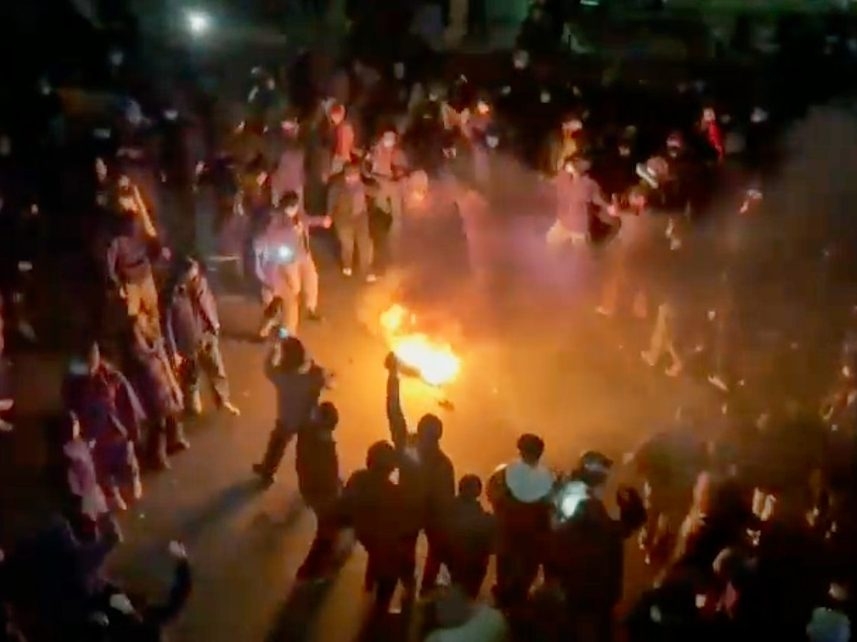
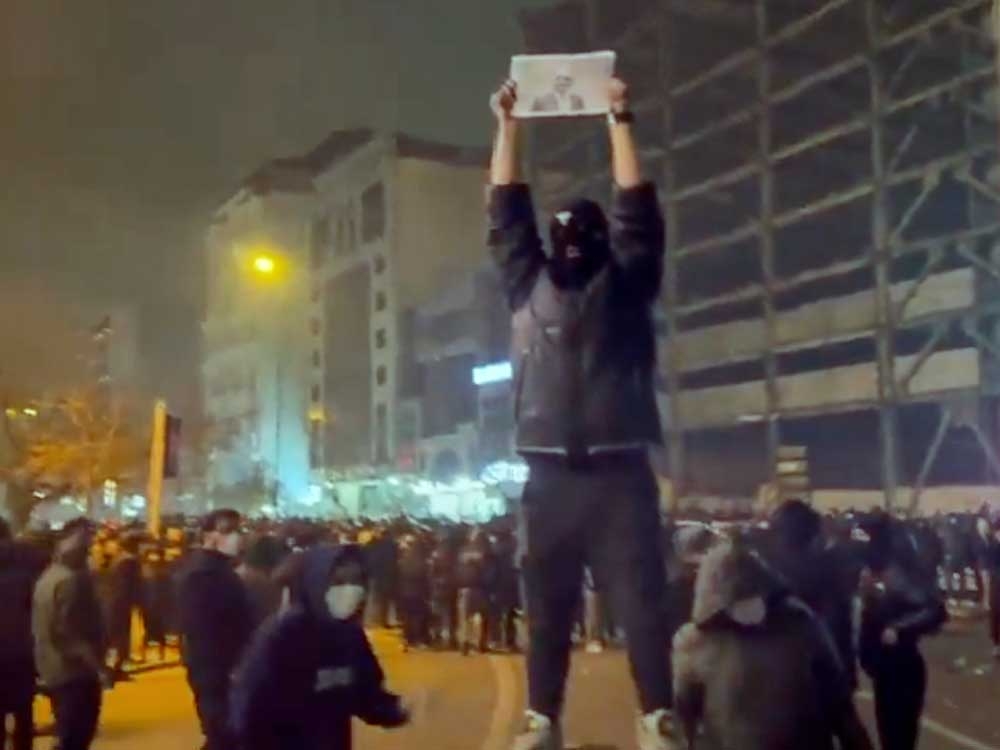
Aleppo trembled under the weight of escalating conflict, a city already scarred by years of strife now witnessing a brutal clash between Syrian government forces and Kurdish fighters. The battle, erupting in the northern neighborhoods, threatened to unravel fragile hopes for stability and plunged thousands into desperate flight.
For days, the streets of Sheikh Maqsoud, Achrafieh, and Bani Zaid echoed with gunfire and the ominous drone of surveillance aircraft. The fighting stemmed from a stalled agreement regarding the integration of Kurdish forces into the national army, a point of contention that ignited a powder keg of simmering tensions.
The violence quickly spiraled, claiming at least 22 lives and displacing over 140,000 people. Residents, caught in the crossfire, desperately sought refuge, their homes abandoned as the sounds of war intensified. The city’s international airport suspended civilian flights, a stark illustration of the escalating danger.
A chilling incident unfolded when an explosive drone struck the Aleppo Governorate building, moments after a press conference concluded. While casualties remained unconfirmed, the attack underscored the increasingly desperate tactics employed by both sides, blurring the lines between combatants and civilians.
Accusations flew freely, each side blaming the other for initiating the violence and deliberately targeting civilian areas. The government alleged Kurdish fighters were using hospitals and clinics as cover, while the Kurdish administration claimed security forces had targeted a hospital in Sheikh Maqsoud, endangering patients and staff.
As government forces moved to secure Sheikh Maqsoud, declaring it a “closed military zone,” a grim scene unfolded. Reports emerged of two Kurdish fighters detonating explosives rather than surrender, a desperate act highlighting the intensity of the resistance.
Hundreds of displaced residents waited anxiously at the neighborhood’s entrances, hoping for permission to return home once the military operation concluded. Their faces reflected a mixture of fear and longing, a testament to the human cost of the conflict.
International efforts to de-escalate the situation gained momentum as U.S. Special Envoy Tom Barrack engaged in urgent talks with Syrian officials. He implored all parties to cease hostilities and return to dialogue, warning that continued violence risked undermining progress and inviting unwanted external interference.
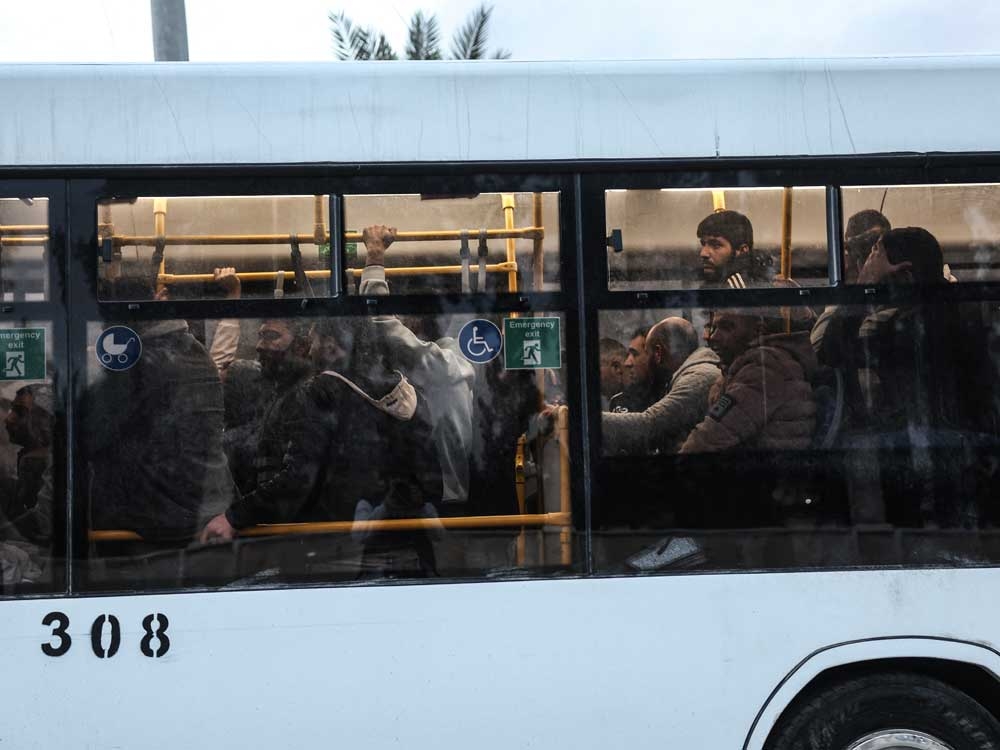
Ultimately, a fragile understanding was reached through international mediation. Buses began the painstaking process of evacuating Kurdish fighters, wounded individuals, and trapped civilians from the contested neighborhoods to northeastern Syria, a region under the control of the Syrian Democratic Forces.
The evacuation marked a temporary reprieve, but the underlying issues remain unresolved. Commander Mazloum Abdi of the SDF called on mediators to ensure the ceasefire holds and to facilitate the safe return of the displaced, a plea echoing the hopes of a city yearning for peace.