Greenland, a vast and icy land, holds the potential for a treasure sought by the modern world: rare earth elements. These materials are vital components in everything from smartphones to fighter jets, yet unlocking them from Greenland’s grasp presents a monumental challenge. The island’s unforgiving environment, coupled with a complete lack of essential infrastructure, has so far thwarted any serious mining attempts.
The pursuit of these elements has become a focal point in a larger geopolitical game. A desire to break free from China’s dominance in the rare earth supply chain has fueled intense interest, particularly after trade restrictions were imposed. Significant investment has been directed towards securing these resources, even exploring the controversial idea of acquiring Greenland itself.
“We are going to do something on Greenland whether they like it or not,” a bold statement reflecting the urgency felt by some. However, the reality on the ground is far more complex. Years, perhaps decades, could pass before Greenland yields a commercially viable supply of rare earths, if ever.
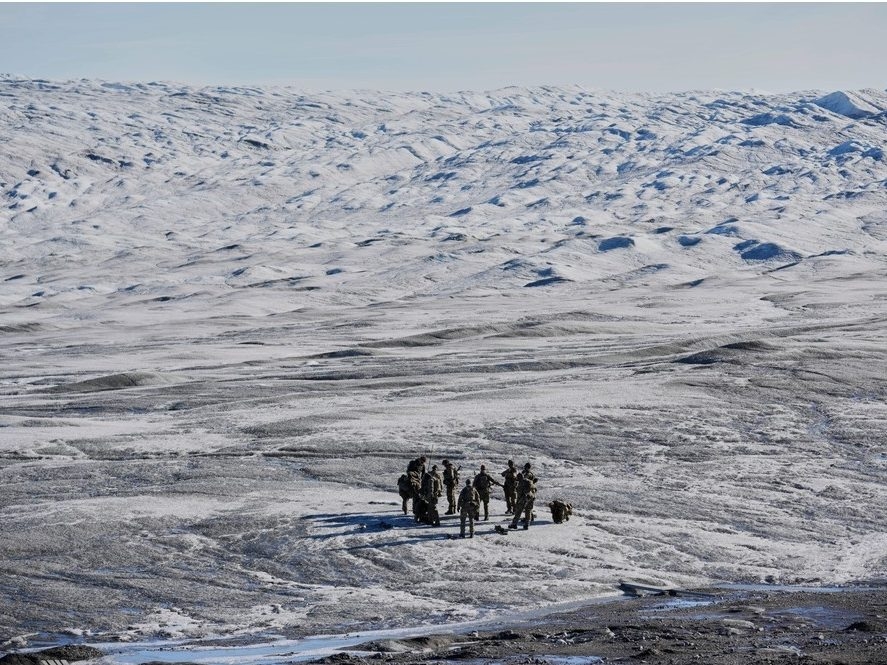
Experts suggest the focus on Greenland is often misplaced, driven more by strategic positioning than realistic resource potential. The island’s value lies less in the elements buried within its rock and more in its location, a crucial point in the evolving Arctic landscape. Concerns over Russian and Chinese influence are paramount.
The primary obstacle isn’t simply finding the rare earths, but *accessing* them. Greenland’s remoteness is extreme. Even in populated areas, roads and railways are scarce, demanding massive investment in infrastructure before any mining operation could even begin. Power generation and a skilled workforce would also need to be established from scratch.
Adding to the difficulty is the delicate Arctic environment. Greenland is increasingly reliant on tourism, and large-scale mining operations pose a significant threat. The extraction process requires toxic chemicals, raising concerns about pollution and the potential for environmental damage. Furthermore, the rare earths are often found alongside radioactive uranium, adding another layer of complexity.
The geological composition of Greenland’s rare earth deposits presents a unique hurdle. They are encased in a particularly stubborn rock formation called eudialyte, for which no profitable extraction method currently exists. Other deposits around the world are found in more easily processed rock types, making them far more attractive.
Some companies are attempting to overcome these obstacles, with one recently announcing plans for a pilot plant. However, even this represents a small step in a long and expensive journey. Hundreds of millions of dollars in further investment would be required before any actual mining could commence.
The rare earth market is notoriously volatile. China has a history of strategically manipulating prices by flooding the market with materials, potentially undermining the profitability of any new mining venture. Currently, the vast majority of critical mineral processing also occurs within China, creating a significant dependency.
The urgency to diversify the supply chain is undeniable, but experts argue that focusing on Greenland is akin to starting from scratch. Numerous existing projects around the world, in more accessible locations and with proven methods, offer a faster and more reliable path to securing these vital resources.
The U.S. government is already investing in domestic rare earth projects, including the only operating mine in the country, and companies focused on recycling and battery technology. These investments, while promising, face the challenge of overcoming China’s overwhelming dominance – currently controlling over 90% of the global supply.
A more pragmatic approach, many believe, lies in supporting established companies with a proven track record. Building new mines in challenging locations like Greenland, Ukraine, or Africa carries immense risk and requires a long-term commitment. Focusing on readily available resources and strengthening existing supply chains offers a more immediate and sustainable solution.
Ultimately, the quest for rare earths is a complex interplay of economics, geopolitics, and environmental concerns. While Greenland holds potential, its harsh realities suggest that a more diversified and strategic approach is essential to securing the future of these critical materials.