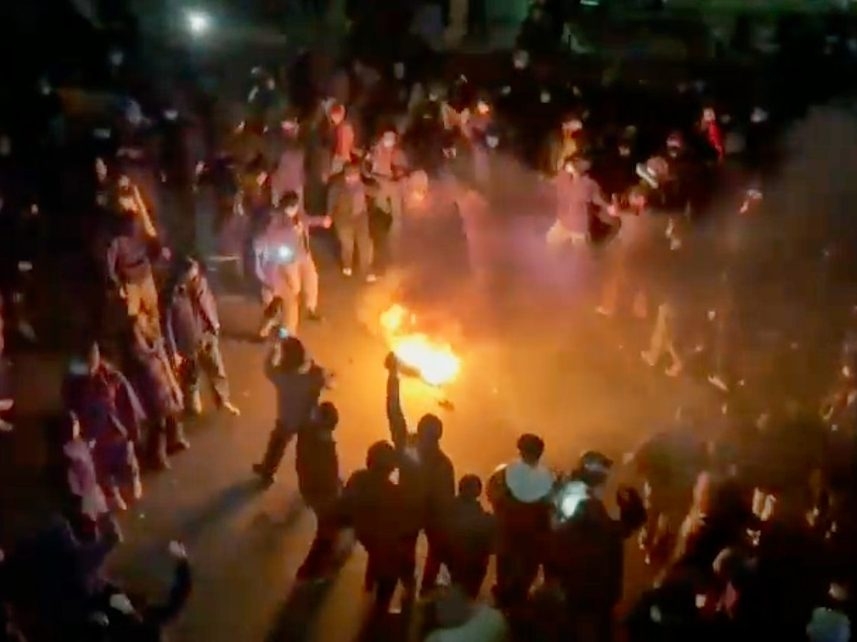
A chilling escalation is unfolding in Iran, as the death toll from weeks of nationwide protests has surged to at least 538 people, according to activist reports. Over 10,600 individuals have been detained, painting a grim picture of a nation gripped by unrest and a brutal crackdown.
The figures, meticulously compiled by the U.S.-based Human Rights Activists News Agency, reveal a devastating breakdown: 490 protesters and 48 members of the security forces have lost their lives. However, a stark warning accompanies the data – the true number is almost certainly higher, obscured by a deliberate information blackout.
Iran has effectively severed its connection to the outside world, cutting off internet access and disrupting phone lines. This digital darkness makes independent verification of events nearly impossible, fueling fears that the government is operating without accountability.
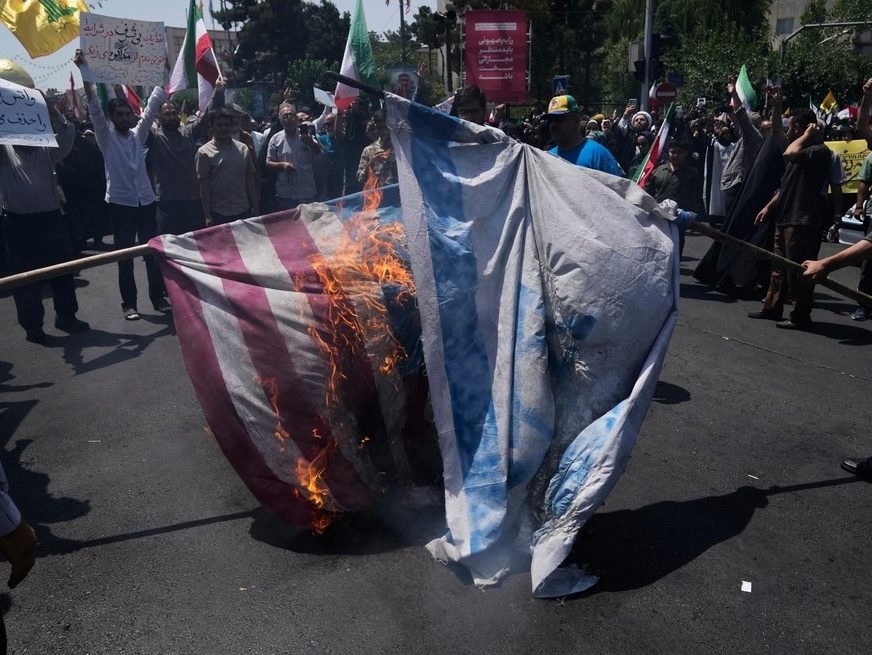
Amidst the chaos, a defiant threat emerged from Mohammad Bagher Qalibaf, Iran’s parliament speaker. He declared that the U.S. military and Israel would be considered “legitimate targets” should the U.S. intervene, escalating tensions to a dangerous new level.
Qalibaf’s warning came as protests continued to swell in Tehran and Mashhad, extending beyond the two-week mark. His speech, broadcast live on state television, was a clear show of support for the security forces and a direct challenge to international powers.
Lawmakers within the Iranian parliament echoed his sentiment, erupting in chants of “Death to America!” – a chilling display of animosity and resolve. The rhetoric underscores the deep-seated ideological conflict at the heart of the crisis.
The specter of war looms large, particularly given Iran’s recent 12-day conflict with Israel and the potential for a preemptive strike. The ultimate decision rests with Ayatollah Ali Khamenei, Iran’s 86-year-old Supreme Leader, a figure shrouded in authority and secrecy.
The U.S. military maintains a significant presence in the region, “postured with forces” capable of defending its interests and allies. Recent attacks on U.S. bases in Qatar highlight the volatile security landscape. Israel, meanwhile, is “watching closely,” according to an Israeli official, and has been in direct communication with the U.S. Secretary of State.
Pope Leo XIV, speaking at the Vatican, expressed his concern for Iran, calling for “dialogue and peace” to prevail. His plea for a peaceful resolution underscores the global anxiety surrounding the escalating crisis.
Despite the government’s efforts to control the narrative, reports continue to emerge from within Iran, often transmitted via satellite technology. Videos purportedly show protesters gathering in Tehran and Mashhad, defying the security forces and demanding change.
The Human Rights Activists News Agency describes a pattern of “scattered, short-lived, and fluid gatherings,” a tactic employed by protesters to evade the heavy security presence. Surveillance drones and increased monitoring are reportedly commonplace.
State television attempts to project an image of calm, broadcasting footage of peaceful streets, but these efforts are met with skepticism. Meanwhile, government officials are escalating their rhetoric, accusing protesters of acting like ISIS and showcasing the funerals of slain security personnel.
Even President Masoud Pezeshkian, who initially sought to address public concerns, has adopted a harder line, emphasizing the need to prevent “rioters” from destabilizing society. This shift signals a growing intolerance for dissent within the Iranian government.
The protests were initially sparked by the collapse of the Iranian rial, but have quickly evolved into a broader challenge to the country’s theocratic rule. Exiled Crown Prince Reza Pahlavi has called for continued demonstrations, adding another layer of complexity to the unfolding events.
The demonstrations began in late December, fueled by economic desperation and a growing sense of frustration with the ruling regime. As the protests continue, the future of Iran hangs in the balance, shrouded in uncertainty and fear.