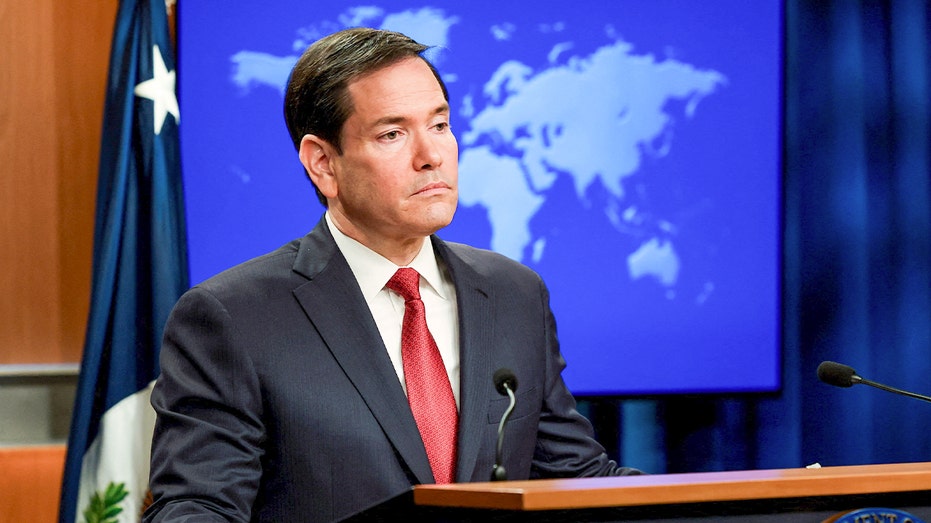
A sharp rebuke echoed across the Atlantic as the German government vehemently denied accusations leveled by the U.S. Health Secretary regarding patient autonomy, particularly during the height of the COVID-19 pandemic. The claims, alleging governmental overreach in medical decisions, sparked a swift and forceful response from Berlin.
German Health Minister Nina Warken issued a firm statement late Saturday, declaring the U.S. Health Secretary’s assertions “completely unfounded, factually incorrect, and must be rejected.” The controversy stemmed from a video post where the American official stated he had sent a letter to the German minister, citing reports of the government suppressing individual medical conviction.
The core of the accusation centered on claims that over a thousand German physicians and countless patients faced legal repercussions for providing exemptions from mask mandates or COVID-19 vaccinations. The U.S. Health Secretary argued that Germany was actively punishing both doctors and citizens for exercising personal medical choice.
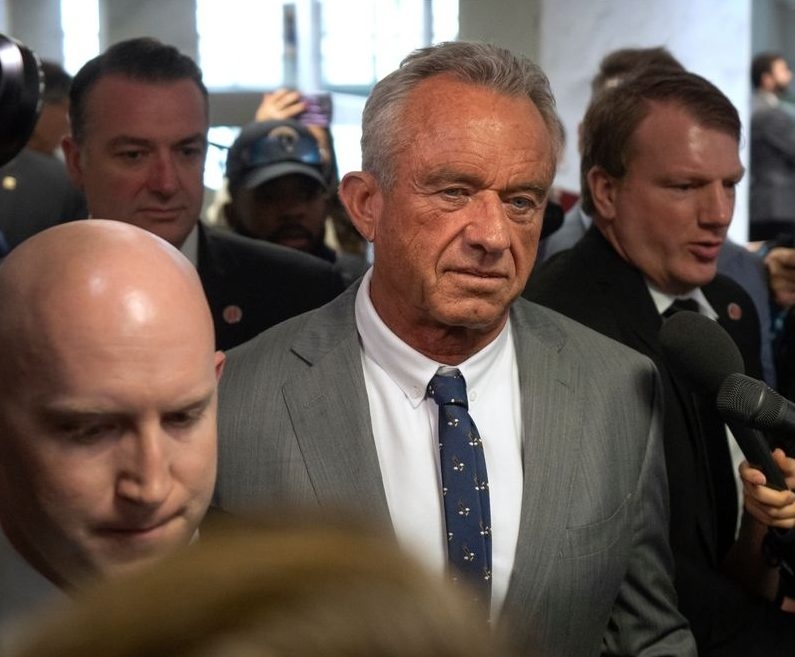
Minister Warken countered these claims directly, stating unequivocally that no medical professional was ever obligated to administer COVID-19 vaccinations. She emphasized that those with medical, ethical, or personal reservations against vaccination faced no threat of prosecution or sanctions.
The U.S. Health Secretary’s initial statement lacked specific examples or source documentation, framing the issue as a violation of the sacred doctor-patient relationship, replaced by a system where physicians allegedly enforced state policies. He urged Germany to “correct this trajectory” and restore medical autonomy.
Warken clarified that any criminal prosecution related to vaccinations stemmed solely from instances of fraud – specifically, the forging of vaccination or mask certificates. She underscored that, generally, German patients retain the freedom to choose their preferred course of therapy.
Adding to the escalating exchange, former German Health Minister Karl Lauterbach, who led the country’s pandemic response, directly addressed the U.S. Health Secretary. He pointed to significant health challenges within the U.S., citing low life expectancy, high costs, and a troubling number of drug-related deaths.
Lauterbach asserted that German courts operate independently and that doctors are not penalized for issuing legitimate medical certificates. He contrasted this with the situation in the U.S., implicitly questioning the integrity of its own healthcare system.
While the vast majority of Germans willingly embraced COVID-19 vaccination, a vocal minority expressed skepticism, leading to protests that, at times, attracted support from far-right elements. This backdrop of public debate fueled the controversy surrounding the U.S. Health Secretary’s accusations.
The exchange highlights a fundamental disagreement over the balance between public health measures and individual medical freedom, a debate that continues to resonate globally long after the peak of the pandemic.