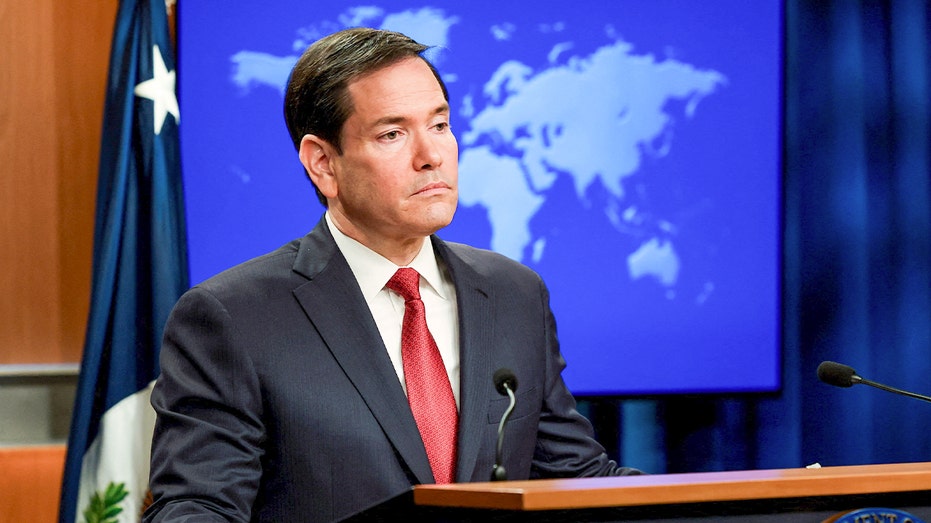
A fragile hope flickered in Gaza as Hamas announced its intention to dissolve its governing structure. The move, dictated by a U.S.-brokered peace plan, hinges on the swift formation of a non-partisan, technocratic leadership committee – a committee whose members remain unnamed and whose approval from both Israel and the United States is far from guaranteed.
The ambitious plan extends beyond a simple handover of power. Overseeing this transition, and the broader ceasefire, is a body dubbed the “Board of Peace,” spearheaded by international efforts. This board is tasked with the monumental challenge of disarming Hamas, deploying an international security force, and initiating Gaza’s long-overdue reconstruction. Yet, the composition of this crucial board remains shrouded in secrecy.
Even as negotiations progress, the ceasefire’s tenuous hold was brutally tested. Israeli gunfire claimed the lives of three Palestinians in Gaza, a stark reminder of the volatility that continues to grip the region. These deaths added to a grim tally, escalating the post-ceasefire death toll and casting a shadow over the fragile peace.
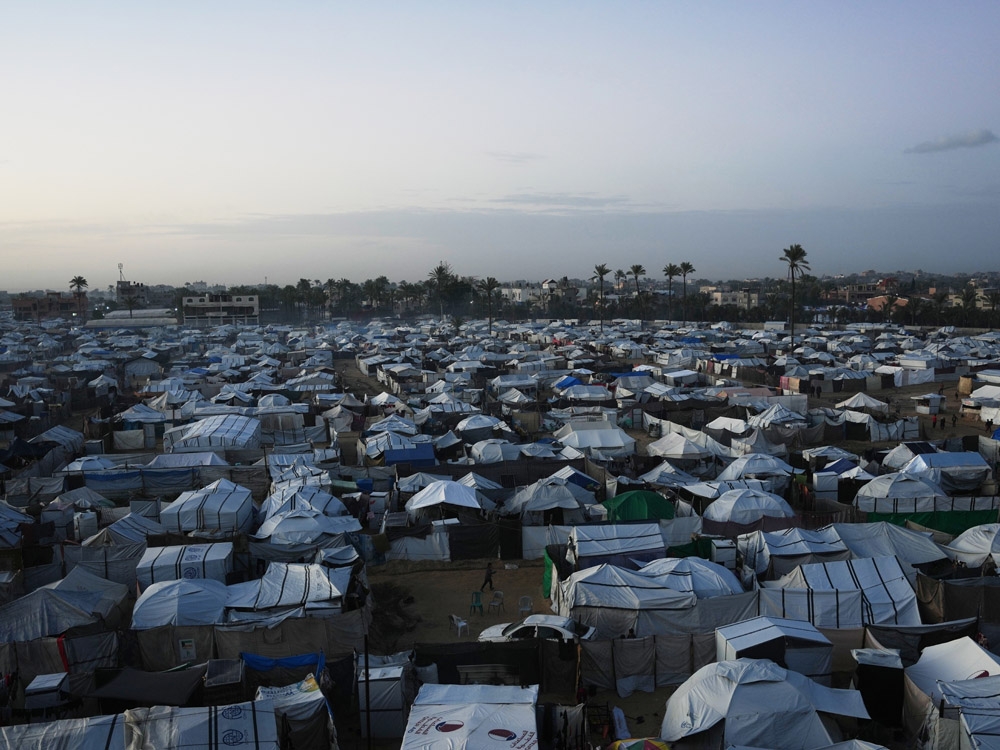
The initial phase of the agreement centered on halting hostilities and securing the release of hostages held in Gaza, exchanged for the freedom of thousands of Palestinians imprisoned by Israel. The focus now shifts to recovering the remains of the final hostage, a critical step towards fully realizing the terms of the deal.
Behind closed doors, a Hamas delegation prepared to engage in high-stakes talks with officials from Egypt, Qatar, and Turkey. The goal: to accelerate the transition to the second phase of the agreement and solidify the framework for future governance. This delegation, led by Khalil al-Hayya, a key negotiator, will also seek consensus with other Palestinian factions.
The “Board of Peace,” according to pronouncements from the U.S., will be responsible for monitoring the technocratic committee and overseeing the complex process of disarmament. However, concrete progress on these fronts has been limited, despite expectations for the board’s membership to be revealed soon.
Bulgarian diplomat Nickolay Mladenov has been selected to serve as the board’s director-general. His prior experience as a U.N. envoy to the Middle East, marked by efforts to de-escalate tensions between Israel and Hamas, suggests a potential for constructive engagement. His appointment signals a desire for a seasoned hand to navigate the treacherous political landscape.
International support for the ceasefire is growing. Japan’s Foreign Minister, Toshimitsu Motegi, met with his Israeli counterpart, Gideon Saar, reaffirming Israel’s commitment to the peace plan and pledging Japan’s active role in maintaining the truce. Motegi also visited the Civil-Military Coordination Center, the nerve center for ceasefire monitoring.
The violence in Gaza, however, continues to undermine the fragile peace. Two men were killed in Bani Suhaila, and another in Gaza City, raising accusations of ceasefire violations from both sides. Over 400 Palestinians have lost their lives in Israeli strikes since the ceasefire began, according to local health officials.
Israel maintains that any military actions taken were in direct response to breaches of the agreement. The conflicting narratives highlight the deep distrust and the precarious nature of the ceasefire, where each side views the other with suspicion.
Meanwhile, a separate scandal is unfolding within Israel’s political establishment. Tzachi Braverman, Netanyahu’s chief of staff and slated to become the next ambassador to the United Kingdom, is facing questioning in connection with a leak of classified military information.
The investigation centers on allegations that Netanyahu’s inner circle deliberately leaked confidential information to a German tabloid to bolster the prime minister’s public image following the tragic deaths of six hostages in Gaza. A clandestine meeting in an underground parking lot, described by a former spokesperson, suggests an attempt to obstruct the investigation.
Opposition leader Yair Lapid has demanded Braverman’s immediate suspension, arguing that a suspect in a serious security breach should not represent Israel abroad. However, Foreign Minister Saar has defended Braverman, stating he will remain in his post until formally charged or convicted.