A stark ultimatum echoed from Washington, D.C. – a demand directed at Cuba, delivered with the unmistakable force of President Trump’s rhetoric. The message was simple, and laced with a veiled threat: negotiate, or face the consequences as the lifeline from Venezuela abruptly cuts off.
For years, Cuba had sustained itself on a steady flow of oil and financial support from Caracas, a relationship forged during the era of Hugo Chavez and continued under Nicolas Maduro. In return, accusations surfaced of Cuba providing security details for the Venezuelan leaders – a dynamic Trump declared was now irrevocably broken.
The President’s pronouncements, unleashed via his social media platform, were blunt. “THERE WILL BE NO MORE OIL OR MONEY GOING TO CUBA – ZERO!” he stated, urging a deal “BEFORE IT IS TOO LATE.” The timing was critical, following a daring operation by U.S. forces in Caracas that resulted in the capture of Maduro and a significant loss of life among Venezuelan and Cuban security personnel.
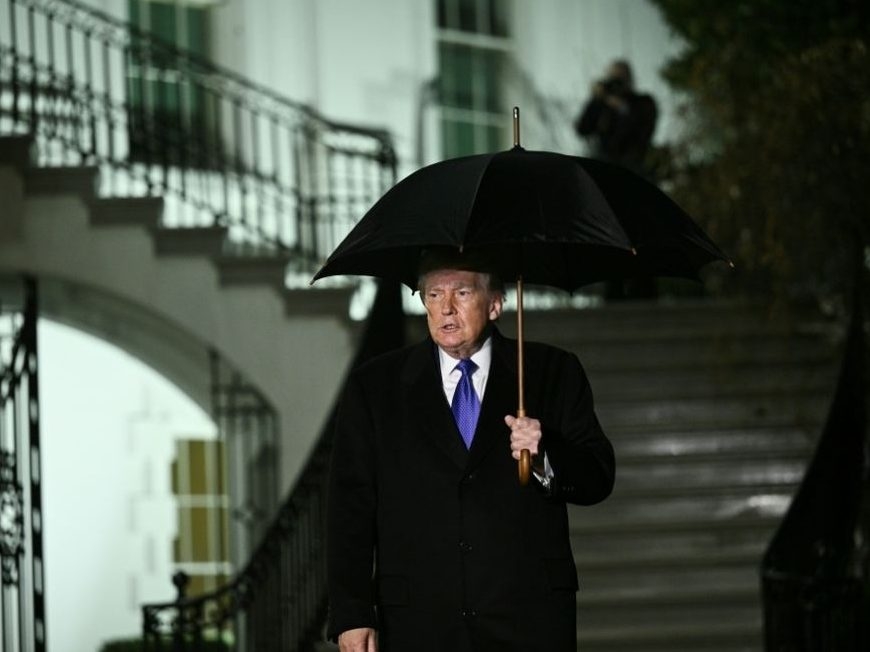
Trump had previously suggested Cuba was on the brink, its already fragile economy teetering under the weight of a long-standing U.S. embargo. Without the subsidized Venezuelan oil, he predicted, Havana would struggle to survive. The situation felt increasingly precarious, a pressure point deliberately amplified by the American leader.
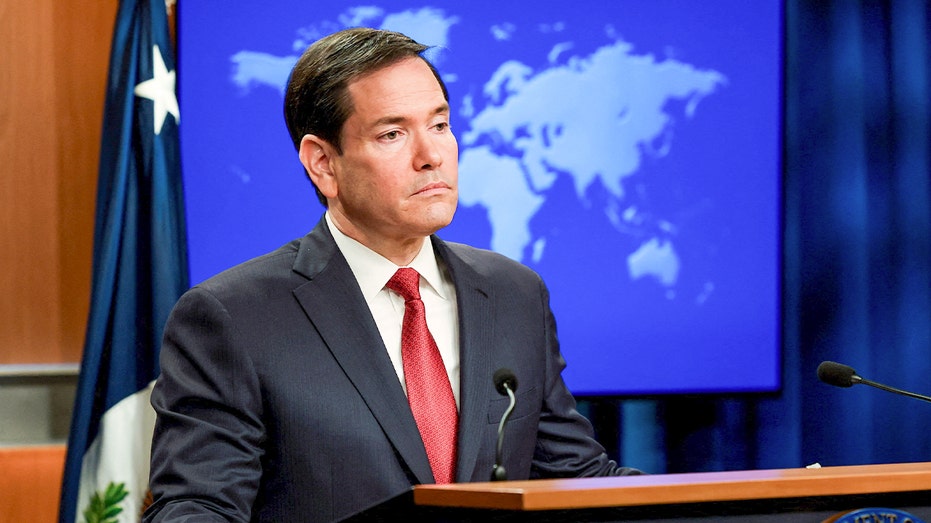
Adding another layer to the escalating tension, Trump shared a post suggesting a surprising potential future for the island nation: the possibility of U.S. Secretary of State Marco Rubio, a son of Cuban immigrants, assuming leadership in Havana. His terse endorsement – “Sounds good to me!” – spoke volumes.
The President elaborated, asserting that Cuba’s reliance on Venezuelan support was predicated on a quid pro quo – security services rendered to protect the Venezuelan regime. He claimed those providing that security were now “DEAD” following the U.S. operation, and Venezuela, he insisted, no longer required such protection from “thugs and extortionists.”

Havana vehemently rejected these accusations. Cuba’s Foreign Minister asserted that the nation had never received financial compensation for security assistance, contrasting this with what he characterized as the United States’ willingness to engage in “mercenary” activities and military coercion. They maintained the right to import fuel from any willing source, free from U.S. interference.
The situation represents a dramatic shift in the decades-long relationship between the U.S. and Cuba, a relationship historically defined by the U.S. trade embargo. Cuba’s dependence on Venezuelan oil, a lifeline established in 2000, is now directly threatened.
This assertive stance towards Cuba is part of a broader pattern of increasingly bold pronouncements from Trump, who has also hinted at taking action against Colombia, Mexico, Iran, and even Greenland. The capture of Maduro appears to have emboldened the American leader.
Within the U.S., some Republican lawmakers openly celebrated Trump’s aggressive stance. Congressman Mario Diaz-Balart, representing Florida, declared on social media that the events unfolding signaled “the beginning of the end” for the Cuban regime, predicting its demise during Trump’s second term and the eventual liberation of the island.