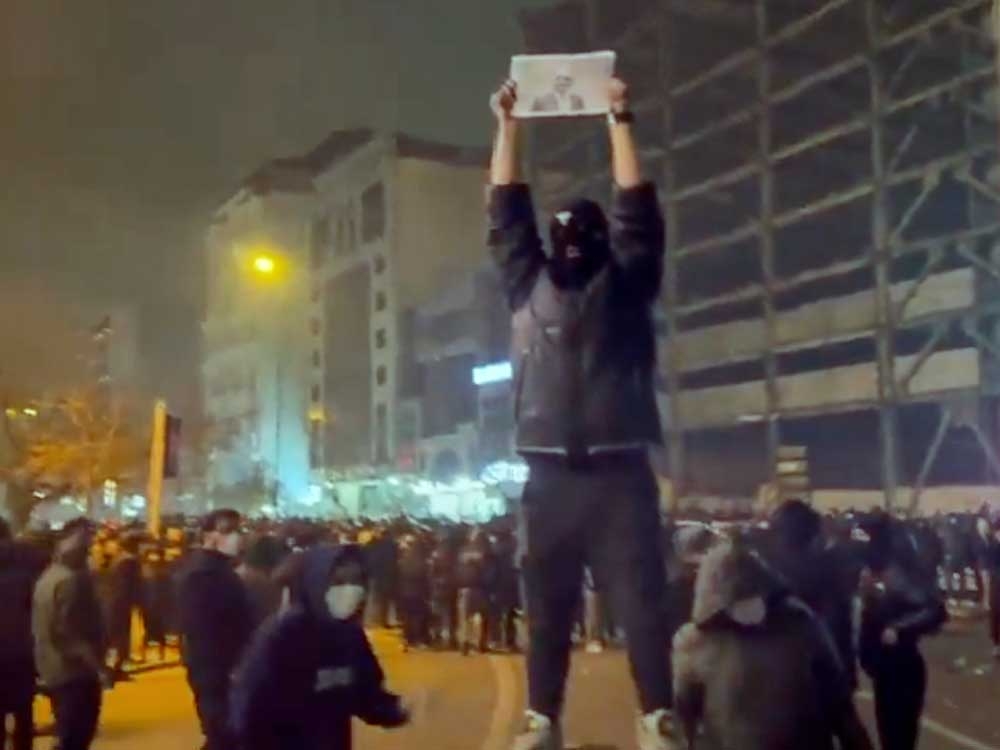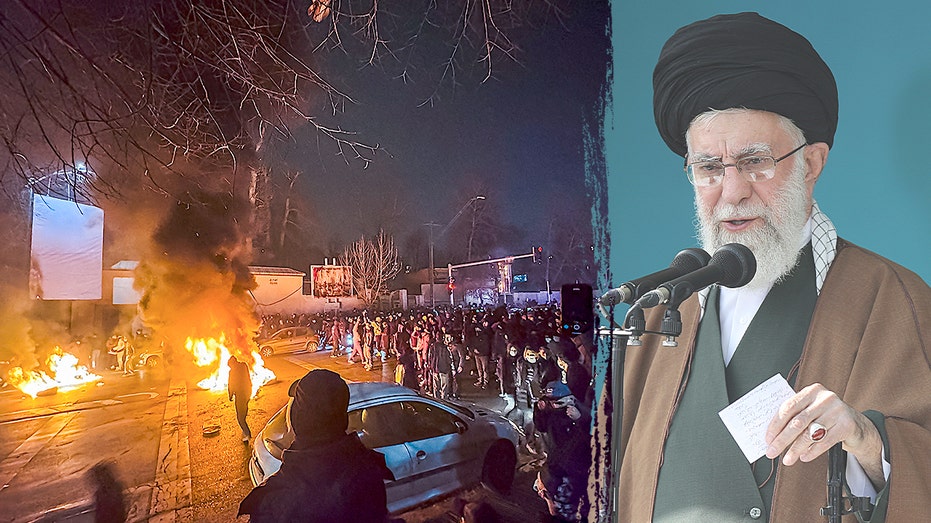
A digital darkness has fallen over Iran. As nationwide protests swell against the ruling regime, a deliberate and chilling act has unfolded: the activation of a complete internet shutdown. This isn’t a gradual disruption, but a calculated severing of connection, a desperate attempt to silence the voices rising up against decades of repression.
The move, described as a “kill switch” by cybersecurity experts, has plunged the nation into near-total digital isolation. Internet access has plummeted to less than 2% of normal levels, impacting not just social media and messaging apps, but essential services like banking and communication within the country itself. It’s a silencing of a nation, a deliberate barrier between citizens and the outside world.
This isn’t a new tactic, but a terrifying escalation. Previous attempts to quell dissent involved painstakingly disconnecting cities and businesses one by one. Now, a centralized, Cold War-era system allows the regime to cut off the flow of information with a single, decisive action. The technology, originally designed for anti-espionage, is being weaponized against its own people.
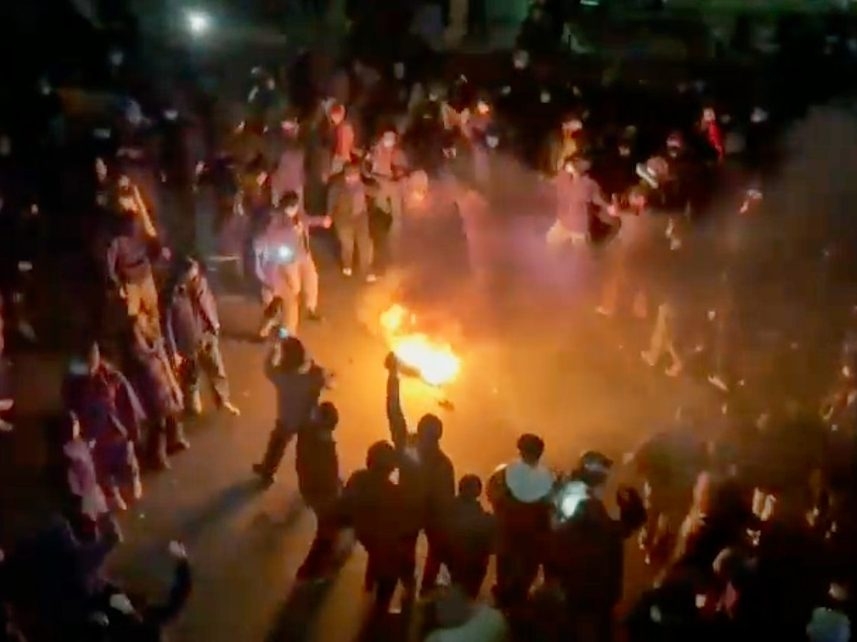
The human cost is already devastating. Reports indicate at least 65 people have been killed in the protests, a number that has tragically doubled in recent days. Over 2,300 have been arrested, and demonstrations have erupted in at least 180 cities. Amnesty International reports a disturbing pattern of security forces using lethal force against unarmed protesters.
Despite the suffocating restrictions, glimmers of connection remain. Limited access through border Wi-Fi and occasional fixed-line loopholes offer fragile lifelines. Even the banned Starlink satellite network represents a desperate attempt to circumvent the regime’s control, a testament to the unwavering desire for freedom of information.
The severity of this blackout is unprecedented. Experts at NetBlocks, who have tracked similar disruptions in the past, describe this as one of the most complete internet shutdowns they’ve ever recorded. It echoes a similar multi-week disruption in 2019, a period marked by widespread violence and thousands of deaths.
This time, however, the regime hasn’t maintained even a baseline level of service. The complete severing of connection speaks volumes, suggesting a profound fear of the truth reaching the outside world. It’s a stark admission of desperation, a signal that the regime will stop at nothing to maintain its grip on power.
The implications extend far beyond Iran’s borders. This act underscores the growing threat of digital authoritarianism, the willingness of governments to weaponize technology against their own citizens. It’s a chilling reminder that access to information is not a given, but a fundamental freedom that must be fiercely protected.
While external support is limited, the importance of amplifying the voices of the Iranian people and advocating for a free and open internet cannot be overstated. The world is watching, and the struggle for basic liberties continues in the darkness.