The world watched as a dramatic shift unfolded in Venezuela, following a U.S. military operation. But the action wasn’t an end – it was, according to President Trump, a beginning. A beginning centered on a bold proposition: unlocking Venezuela’s vast oil reserves and injecting $100 billion into the nation’s crippled infrastructure.
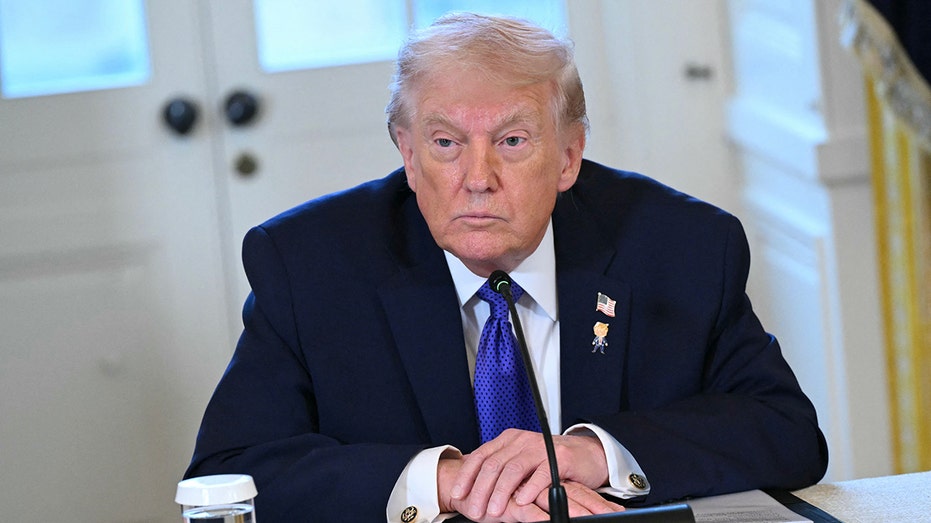
Immediately after the operation, Trump convened a meeting with the heads of America’s largest oil companies. The message was direct: he wanted them to return to Venezuela, to invest, and to rebuild. He framed the intervention not as a military conquest, but as an unprecedented economic opportunity, promising access to potentially 50 million barrels of previously sanctioned crude.
Executives voiced cautious optimism, but also deep reservations. Darren Woods, CEO of ExxonMobil, bluntly stated that the current commercial landscape in Venezuela was “un-investable.” Years of nationalization, political instability, and legal uncertainty had created a climate of extreme risk, even for industry giants accustomed to challenging environments.
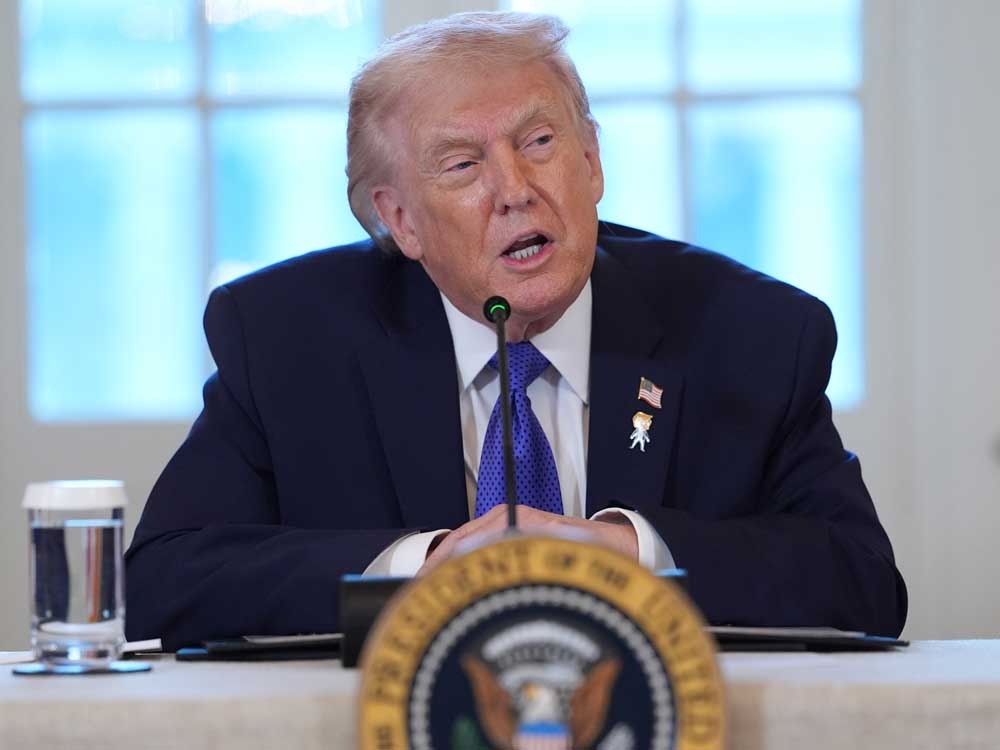
Trump responded with a sweeping assurance: “You have total safety.” He insisted companies would deal directly with the U.S., bypassing the volatile Venezuelan government entirely. He emphasized that the investment – a massive $100 billion – would come from private capital, not taxpayer funds, but would be backed by the full weight of American protection.
The administration’s commitment extended beyond words. U.S. forces continued to seize tankers linked to Venezuelan oil, signaling a firm resolve to control the nation’s petroleum exports, refining, and production. This assertive move was explicitly linked to a domestic priority: keeping gasoline prices low for American consumers.
Trump acknowledged the inherent risks, recognizing the executives were seasoned professionals who understood the game of calculated gambles. He even suggested Venezuela’s challenges paled in comparison to the “rough places” where these companies already operated, hinting at a confidence in their ability to navigate the complexities ahead.
While companies like ExxonMobil pledged to send assessment teams, memories of past asset seizures – twice over – remained fresh. Significant legal and regulatory reforms, along with durable investment protections, were deemed essential before any large-scale commitment could be considered. Chevron, already operating in Venezuela, and other major players like ConocoPhillips and Shell, echoed these concerns.
Venezuela’s current oil production, a mere fraction of its potential, underscored the scale of the challenge. Yet, Trump remained optimistic, dismissing any doubts about the oil industry’s appetite for opportunity. He portrayed them as unflinching, capable of thriving even in the most precarious corners of the globe.
Beyond the economic implications, Trump offered a stark geopolitical rationale for the intervention. He asserted that without U.S. action, Venezuela’s oil reserves would inevitably fall under the control of China or Russia, framing the move as a strategic necessity to prevent rival powers from gaining influence in the region.
Simultaneously, a small team of U.S. diplomats arrived in Venezuela to explore the possibility of reopening the U.S. Embassy in Caracas, signaling a tentative step towards normalizing relations with the interim government. This occurred even as the interim leader publicly criticized Trump’s actions.
The President also announced upcoming meetings with key figures: Maria Corina Machado, a leader of Venezuela’s opposition, and Colombian President Gustavo Petro. The shift in tone towards Petro, after initial threats, highlighted a pragmatic recognition of shared interests, particularly in the fight against drug trafficking and leftist guerrillas.
For Colombia, U.S. aid remains vital for its security operations. For the U.S., Colombia is a crucial partner in its counternarcotics strategy, providing essential intelligence in the ongoing battle against cocaine. The evolving dynamic underscored a complex interplay of geopolitical considerations and economic ambitions.