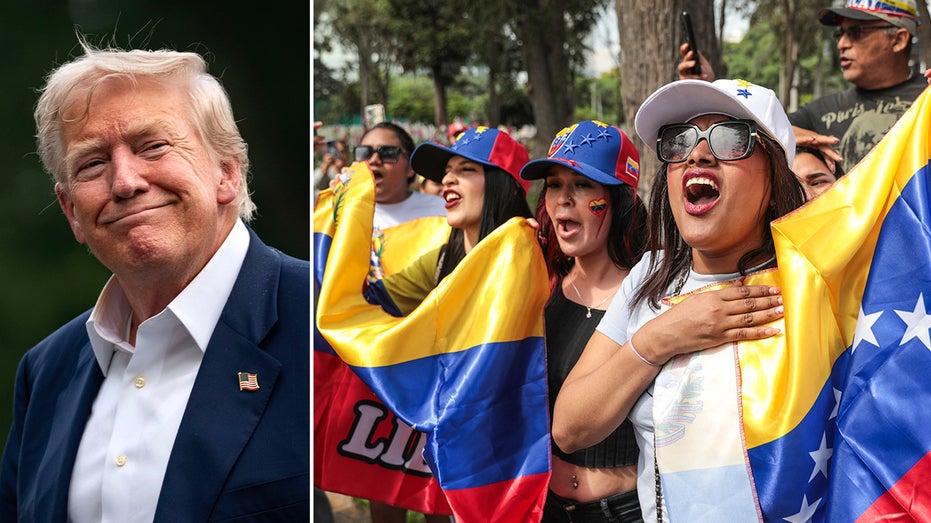
The question hangs heavy in the air: how does a person arrive at a point of such fervent conviction that they willingly abandon their life as they know it? Consider a woman, driven to seek refuge in another country, fleeing a leader she perceives as a threat, a man who once stared down the barrel of a gun and lived to tell the tale.
This isn’t a distant hypothetical. It’s a reality unfolding alongside scenes of escalating tension within American cities. A mother, after entrusting her youngest to a school focused on social justice, joins a protest, actively attempting to obstruct federal agents tasked with removing individuals deemed dangerous from the community.
The narrative quickly spirals into accusations and counter-accusations. Are these actions fueled by a deliberate demonization of law enforcement, a calculated effort to portray those upholding the law as villains? The rhetoric is becoming increasingly charged, the lines between protest and confrontation blurring with each passing day.

In Minneapolis, a mayor issued a stark demand: “Get the f*ck out.” The order, delivered with palpable anger, ignited a volatile situation. Soon, a mob, incited by the mayor and others, descended upon hotels, hunting for the locations of ICE agents, intent on forcing their way inside.
A chilling video surfaced, revealing a man consumed by rage, openly threatening violence against those same agents. “We have to show up with guns!” he declared, dismissing any need for permits or peaceful resolution. “The time for niceties is over! It’s time for the bullet box!” The words echoed with a disturbing intensity.
The question arises: what forces are shaping such extreme viewpoints? Is it a relentless barrage of negativity from media outlets and political figures, a constant stream of narratives designed to erode trust in law enforcement and stoke the flames of resentment?

Powerful voices within the Democratic party appear to be actively fanning the flames. Senator Schumer, for example, described ICE operations as a catalyst for “horrible tragedies,” subtly framing agents as a threat to public safety. This rhetoric, critics argue, is a deliberate attempt to inspire a violent response.
The unrest isn’t confined to Minneapolis. In New York City, thousands took to the streets, chanting calls for the execution of a governor, their voices fueled by the same divisive rhetoric. The atmosphere is thick with animosity, the potential for further escalation looming large.
A newly elected mayor, appearing on national television, condemned ICE actions as “cruel and inhumane,” even labeling a death as “murder” without any formal investigation. This swift judgment, many believe, is part of a larger strategy to undermine law enforcement and protect a specific voting base.

The situation is further complicated by the memory of past events – the actions of lawmakers who once challenged the authority of the Commander in Chief. And beneath the surface, investigations into widespread fraud are adding another layer of complexity to an already volatile mix.
The current climate demands a reckoning. The question isn’t simply about immigration policy, but about the very fabric of American society, and the dangerous consequences of unchecked radicalization and inflammatory rhetoric.