The aftermath of a confrontation in Minneapolis has ignited a firestorm of controversy, with accusations of deliberate misrepresentation swirling around the incident. A fatal shooting involving ICE agents and a driver attempting to strike them has become a focal point for escalating tensions and questionable narratives.
Video footage clearly depicts a vehicle accelerating towards ICE agents, prompting the fatal response. The driver, identified as Renee Good, was attempting to bypass barriers when the shooting occurred. Witnesses reported hearing shouts of encouragement – “Drive, baby, drive!” – just moments before the vehicle surged forward.
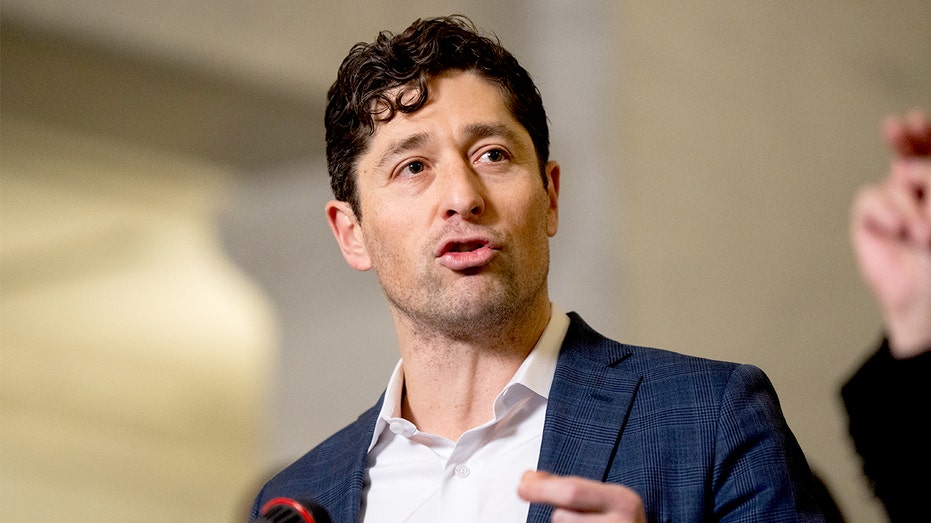
Minneapolis Mayor Jacob Frey reacted with immediate and forceful condemnation of ICE, delivering a profanity-laced demand for the agency’s removal from the city. His words, delivered during a press conference, were a stark expression of outrage and quickly drew national attention.

During a recent interview, CNN’s Jake Tapper pressed Mayor Frey on whether he regretted his initial, inflammatory rhetoric. Frey stood firm, refusing to retract his statements and instead doubling down with a startling comparison.
In an attempt to downplay the severity of Good’s actions, Frey likened her driving to that of his own wife. He argued that a simple driving maneuver – a three-point turn – was being falsely characterized as a terrorist act. “If doing a three or four point turn is a domestic terrorist, then my wife is a criminal every single day!” he declared.
The assertion immediately sparked widespread disbelief and ridicule. Social media users quickly pointed out the vast difference between a routine driving maneuver and intentionally accelerating a vehicle towards law enforcement officers. The context of a one-way street further undermined Frey’s claim.

Critics were quick to highlight the absurdity of equating a dangerous assault with a common driving technique. Many questioned Frey’s understanding of basic driving principles, while others accused him of deliberately misleading the public to defend someone who attempted to harm ICE agents.
The incident has exposed a deep chasm in the narrative surrounding the shooting, with accusations of political maneuvering and a willingness to distort facts to fit a predetermined agenda. The mayor’s comments have fueled the debate, raising serious questions about accountability and the responsible use of public office.
The exchange has left many wondering about the motivations behind Frey’s defense of Good and his unwavering condemnation of ICE. The incident continues to reverberate, highlighting the complexities of a deeply divided political landscape and the challenges of finding common ground in the wake of tragedy.