A quiet storm erupted within the Justice Department, culminating in the abrupt dismissal of five federal prosecutors in Minnesota. The fallout stemmed from deep-seated disagreements over how a fatal shooting involving an Immigration and Customs Enforcement agent would be investigated, fracturing trust and leading to resignations.
At the center of the upheaval was Joseph Thompson, the second-in-command at the U.S. Attorney’s Office, and a lead investigator in a significant welfare fraud case. His departure, along with four colleagues, followed a contentious clash with Washington officials regarding the investigation into the death of 37-year-old Renee Good.
The core of the dispute revolved around the classification of the shooting. Thompson initially supported investigating the incident as an assault on a federal officer, but expressed concerns about the Justice Department’s broader plan to investigate Good’s widow and potential co-conspirators, a direction he found troubling.
Video footage of the incident showed a tense confrontation: an ICE agent firing upon Good at close range as her vehicle accelerated toward him. While the agent claimed to fear for his life, critics argue the use of deadly force was unjustified, pointing to evidence suggesting Good may have been attempting to avoid a collision.
The FBI took control of the investigation, excluding Minnesota prosecutors – a move criticized by state leaders who launched their own parallel inquiry. The Trump administration defended the decision, citing the involvement of a federal officer and the need for an impartial review.
Adding another layer of complexity, investigators uncovered evidence suggesting Good and her spouse had been observing ICE officers earlier that day. Homeland Security officials alleged Good was actively “stalking and impeding” the agency’s work, claiming she “weaponized” her vehicle.
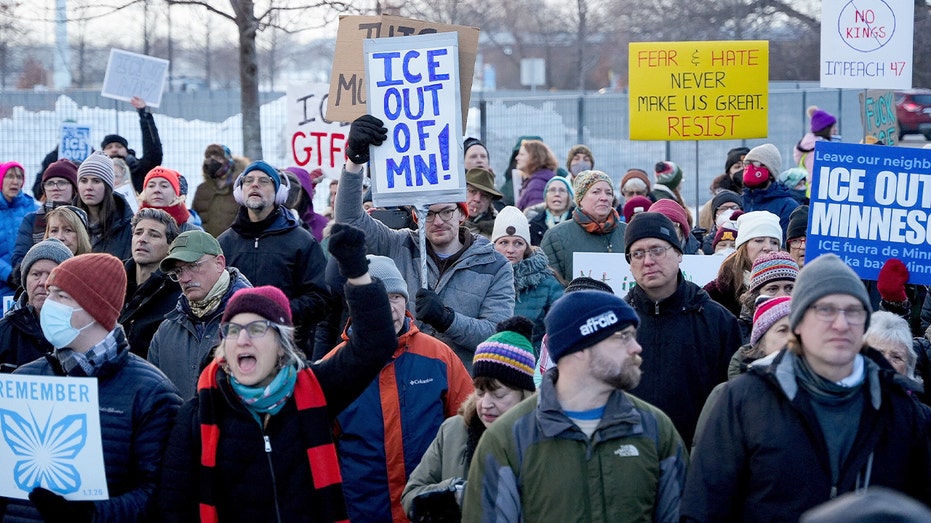
Good’s widow, Becca, countered these claims, stating they were simply offering support to their neighbors. She described a stark contrast: “We had whistles. They had guns.” The incident ignited a firestorm of debate, highlighting the fraught relationship between law enforcement and the communities they serve.
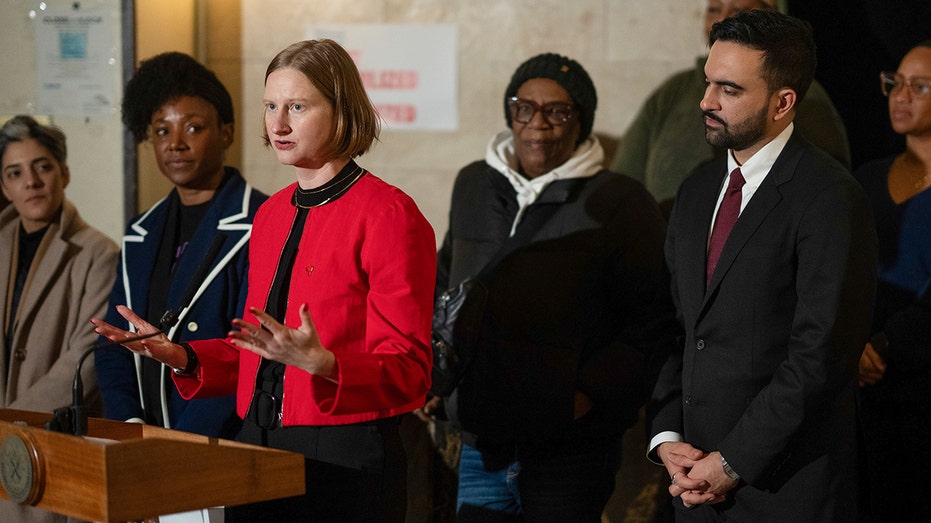
The resignations of the prosecutors were met with praise from some, including Minneapolis Mayor Jacob Frey, who hailed them as “heroes” for resisting what he characterized as a politically motivated prosecution of Good’s widow. The Justice Department has, as of now, shown no indication of pursuing charges against Becca Good.
The case remains open, a stark reminder of the delicate balance between protecting law enforcement and ensuring accountability. The internal turmoil within the Justice Department underscores the profound implications of this single, tragic event, and the lasting questions it raises about justice and the use of force.