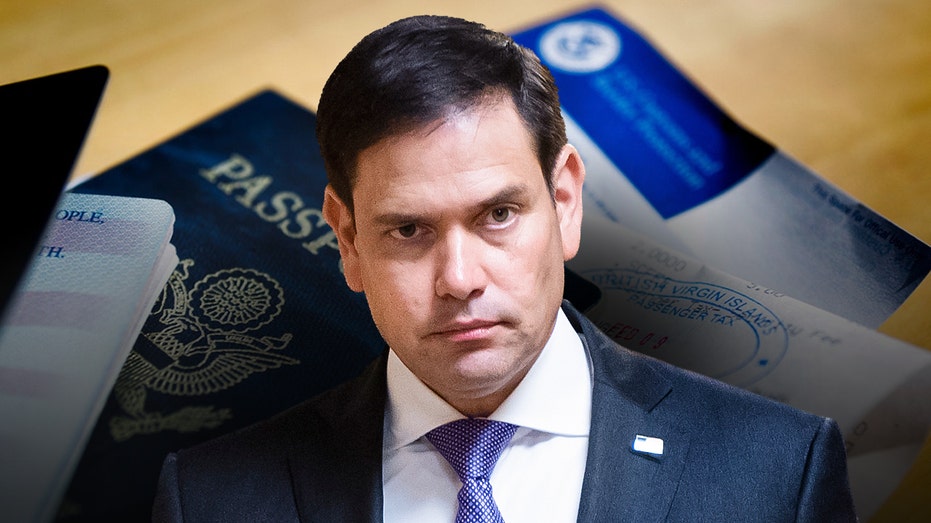
A significant shift is underway in U.S. immigration policy, as the State Department has temporarily halted visa processing for citizens of 75 countries. This unprecedented pause, beginning January 21st, stems from a renewed focus on preventing individuals likely to become dependent on public assistance from entering the country.
The decision, outlined in a recent internal memo, directs consular officers to rigorously enforce existing “public charge” provisions of immigration law. This means a more intensive evaluation of applicants’ potential reliance on government benefits before visas are approved.
The list of affected nations is extensive, encompassing countries across the globe including Somalia, Russia, Afghanistan, Brazil, Iran, Iraq, Nigeria, Thailand, and Yemen. The indefinite nature of the pause signals a comprehensive reassessment of current visa screening procedures.
This move follows a concerning fraud scandal in Minnesota, where authorities uncovered widespread abuse of taxpayer-funded benefit programs, largely involving Somali nationals and Somali-Americans. The incident highlighted vulnerabilities in the existing vetting process and fueled calls for stricter enforcement.
Consular officers are now instructed to consider a wide array of factors when assessing an applicant’s potential to become a public charge. These include age, health, English proficiency, financial stability, and even the possibility of needing long-term medical care.
The new guidelines are remarkably broad, potentially leading to visa denials for older applicants, individuals with health concerns, or those with a history of receiving government assistance. Past reliance on any form of public cash assistance or institutionalization will also be scrutinized.
Officials state the intention is to protect American resources and ensure that immigration aligns with the principle of self-sufficiency. The goal is to prevent the exploitation of the nation’s generosity by individuals who may become reliant on public funds.
While the “public charge” provision isn’t new – it’s been part of immigration law for decades – its enforcement has historically fluctuated. This latest directive represents a significant tightening of standards and a reduction in discretionary power for consular officers.
Exceptions to the visa processing pause will be rare, granted only after applicants demonstrate they will not become a burden on the U.S. social safety net. The bar for clearing these considerations is expected to be high.
This policy represents a reversal of some measures taken by the previous administration. A 2022 rule limited the types of benefits considered when determining public charge status, excluding programs like food assistance and Medicaid. The current approach expands that definition considerably.
The legal landscape surrounding “public charge” has been contentious. A 2019 expansion under a prior administration faced legal challenges and was ultimately rescinded, but the current directive signals a renewed commitment to stricter enforcement of the provision.
The long-term implications of this visa processing pause remain to be seen, but it undoubtedly marks a significant change in U.S. immigration policy and a heightened focus on financial self-reliance for prospective immigrants.