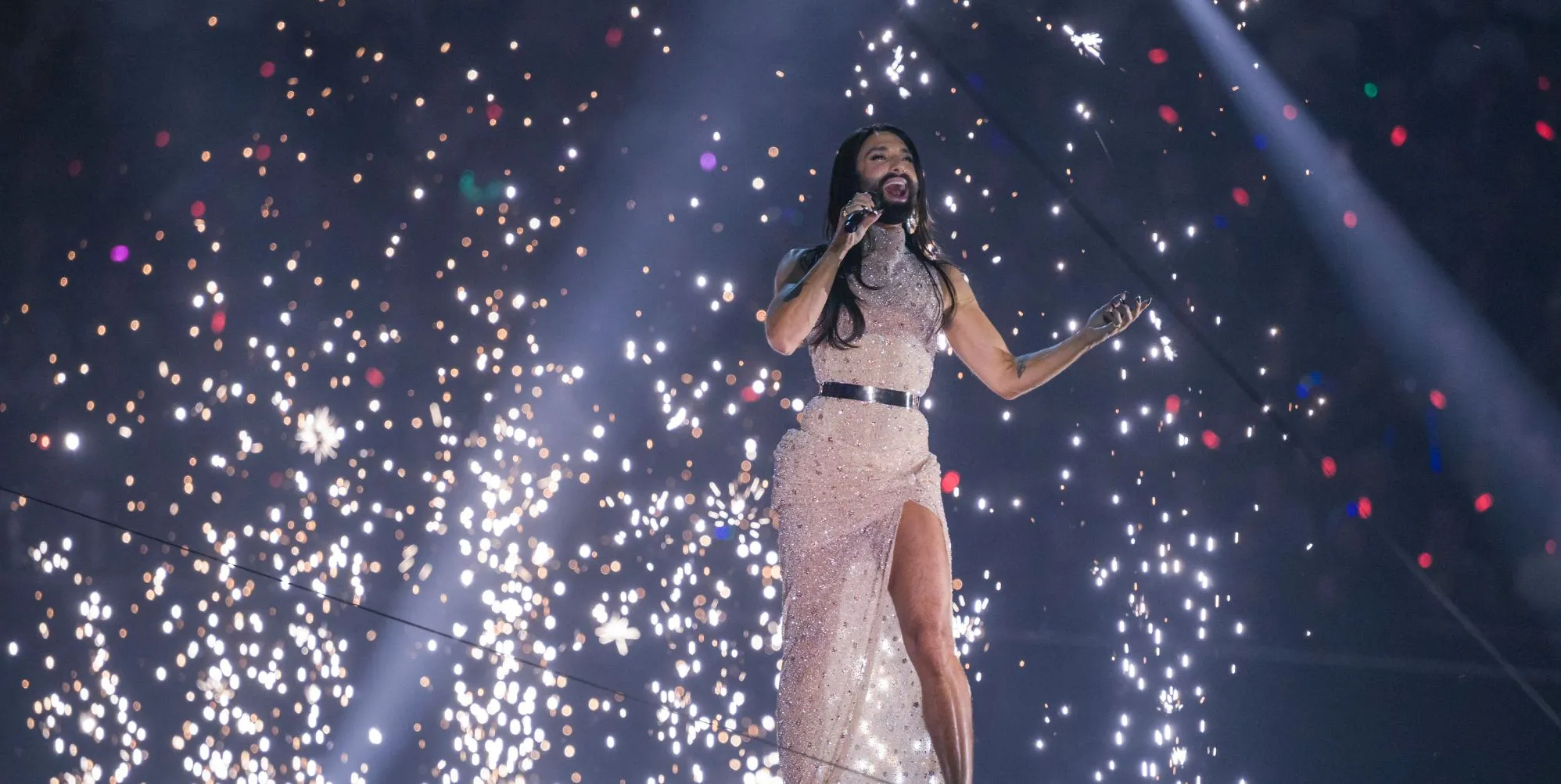
The world of Eurovision has lost a defining figure. Conchita Wurst, the artist who captivated audiences with a powerful message of self-acceptance and a soaring ballad, has announced her indefinite departure from the contest.
Thomas Neuwirth, the man behind the iconic bearded persona, shared the news with a heartfelt message. He acknowledged Eurovision as a pivotal force in his life – a launchpad, a creative home, and a chapter filled with profound gratitude.
But Neuwirth emphasized the necessity of artistic evolution. Change, he stated, is a constant for him, and moving forward requires stepping away from the Eurovision spotlight to pursue new professional avenues and allow fresh opportunities to emerge.
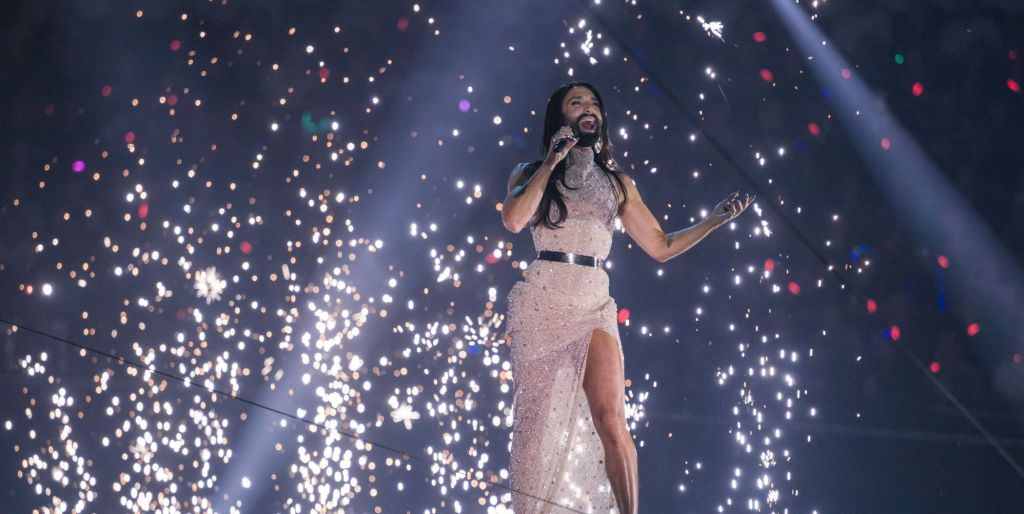
The decision arrives during a period of escalating controversy surrounding the competition. A growing number of nations are boycotting the upcoming contest, scheduled to be held in Austria, in protest of the European Broadcasting Union’s decision regarding Israel’s participation.
Ireland, Spain, Iceland, Slovenia, and the Netherlands have all confirmed they will not compete in 2026, citing the ongoing humanitarian crisis in Gaza as a reason their participation would be “unconscionable.” The weight of civilian loss has proven too heavy for these broadcasters to ignore.
The dissent isn’t limited to national broadcasters. Nemo, the non-binary winner of the 2024 contest, made a powerful statement by returning their trophy to the EBU, highlighting a perceived conflict between Eurovision’s stated values of unity and inclusion and the decision to allow Israel to compete.

Nemo eloquently argued that allowing participation amidst accusations of genocide directly contradicts the ideals that made the contest meaningful. This act of protest resonated deeply within the Eurovision community and beyond.
While Conchita Wurst’s announcement didn’t directly address the boycott, its timing adds another layer of complexity to what is shaping up to be the most contentious year in Eurovision’s history. The contest, celebrating its 70th anniversary, finds itself at a crossroads.
This year’s event in Vienna was set to follow JJ’s victory with “Wasted Love” in 2025, where they narrowly defeated Israel’s Yuval Raphael. Raphael’s win, fueled by a strong televote but a lower jury score, was later shadowed by allegations of a coordinated advertising campaign.
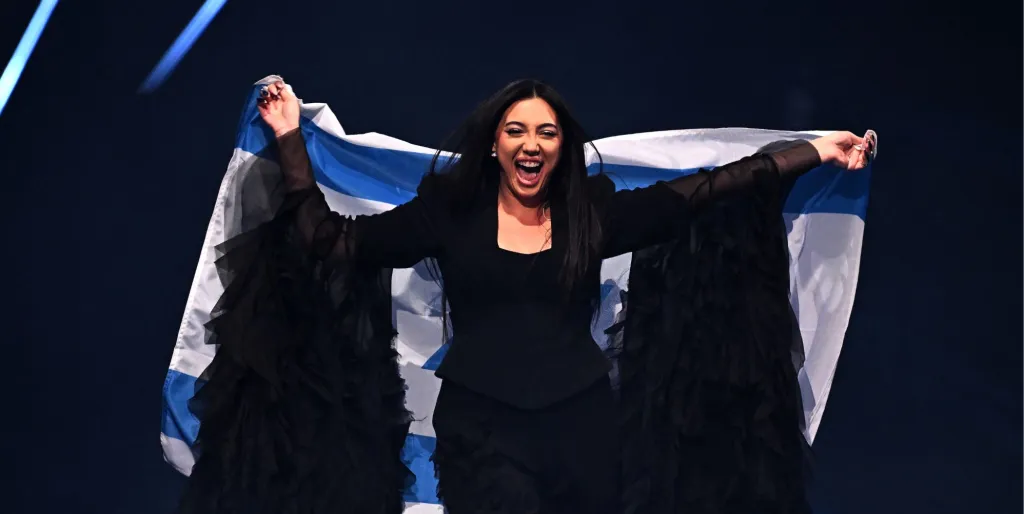
The ensuing scandal prompted the EBU to introduce stricter rules against government-sponsored voting campaigns for the 2026 contest. However, a vote on Israel’s future participation was ultimately deferred, leaving the core issue unresolved and fueling further discontent.
Conchita Wurst’s departure marks the end of an era, a poignant moment as the contest grapples with its identity and its role in a world increasingly divided. Her legacy, however, will undoubtedly endure, a reminder of the power of authenticity and the enduring appeal of a truly unforgettable performer.