A recent resolution has surfaced, revealing a striking contrast in how some Democrats now view the apprehension of Nicolás Maduro compared to their past statements and legislative actions. The core argument centers on a perceived shift in perspective regarding Maduro’s threat to U.S. national security and the well-being of the Venezuelan people.
For years, bipartisan legislation in the House of Representatives consistently identified Maduro as a danger. Representative Debbie Wasserman Schultz, for example, spearheaded a bill explicitly calling for an end to Maduro’s “usurpation of presidential authorities,” directly criticizing his interference with Venezuela’s electoral process.
Other Democrats echoed these concerns. Representative Haley Stevens authored legislation condemning the Venezuelan government’s practice of kidnapping, pushing for the designation of Maduro’s regime as a “state sponsor of wrongful detention.” These actions demonstrate a previous, unified understanding of the Maduro government’s harmful behavior.
This resolution arrives amidst current criticism from some Democrats who characterize the operation that led to Maduro’s capture as an act of war requiring congressional authorization. Republicans, however, maintain that the action was a targeted effort to bring a known criminal to justice.
The resolution meticulously highlights past statements that appear to contradict the current narrative. Senator Elissa Slotkin, in a 2024 bill, defined Maduro as a “person of concern” engaged in activities “adverse to the national security of the United States.”
Representative Rosa DeLauro introduced similar legislation, using almost identical language to describe Maduro’s regime as consistently acting “significantly adverse to the national security of the United States.” These legislative efforts paint a picture of a previously shared assessment of the threat posed by Maduro.
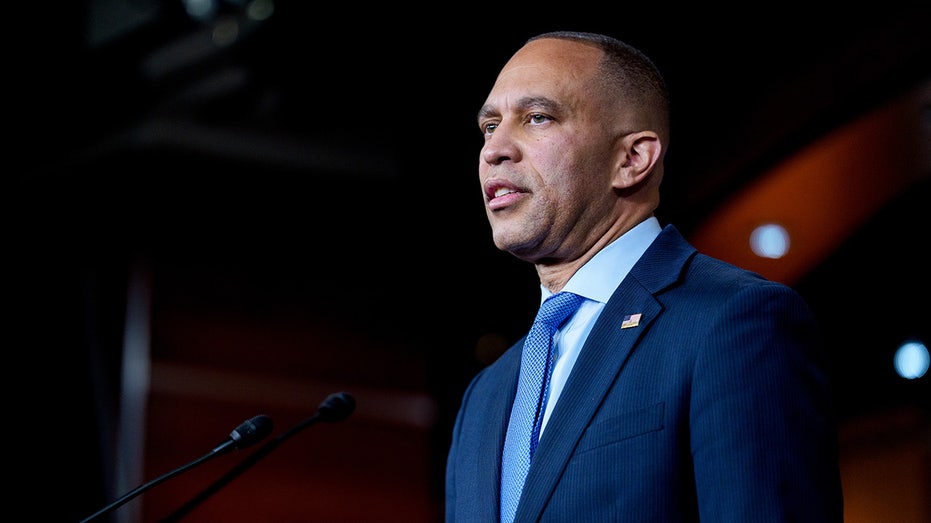
The shift in tone is particularly evident in recent public statements. Following Maduro’s arrest, Minority Leader Hakeem Jeffries asserted that the operation was not a legitimate law enforcement action, claiming the administration was misleading the public.
Representative Delia Ramirez further fueled the criticism, labeling the operation an “invasion” and accusing the administration of dragging the nation into an “illegal, endless war.” These statements stand in stark contrast to the earlier calls for “decisive action” against Maduro.
The resolution’s author contends that the current criticisms ignore the previous demands made by Democrats themselves. The argument suggests that the Trump administration ultimately acted on the very principles Democrats had previously advocated for in their legislative efforts.
The core message is that the U.S., under previous leadership, took decisive steps to address a perceived threat in the Western Hemisphere, sending a strong signal to potential adversaries. This action, it is argued, was a direct response to the dangers previously identified and condemned by both sides of the political aisle.


![MAYOR EXPLODES: Can Police ARREST Federal Agents?! You Won't Believe His Response! [VIDEO]](https://www.thegatewaypundit.com/wp-content/uploads/2026/01/jacob-frey-bulwark-1200x630.jpg)