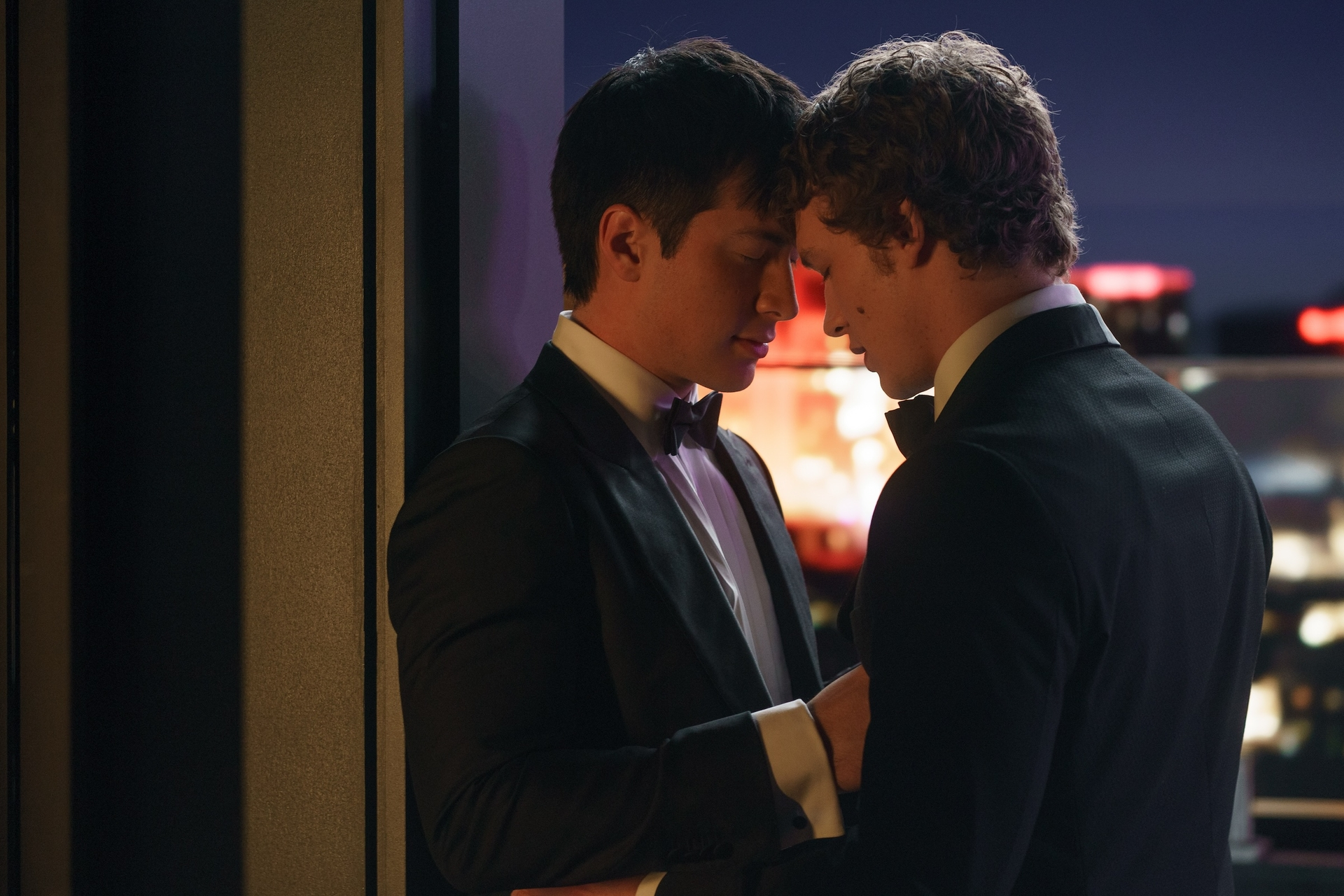
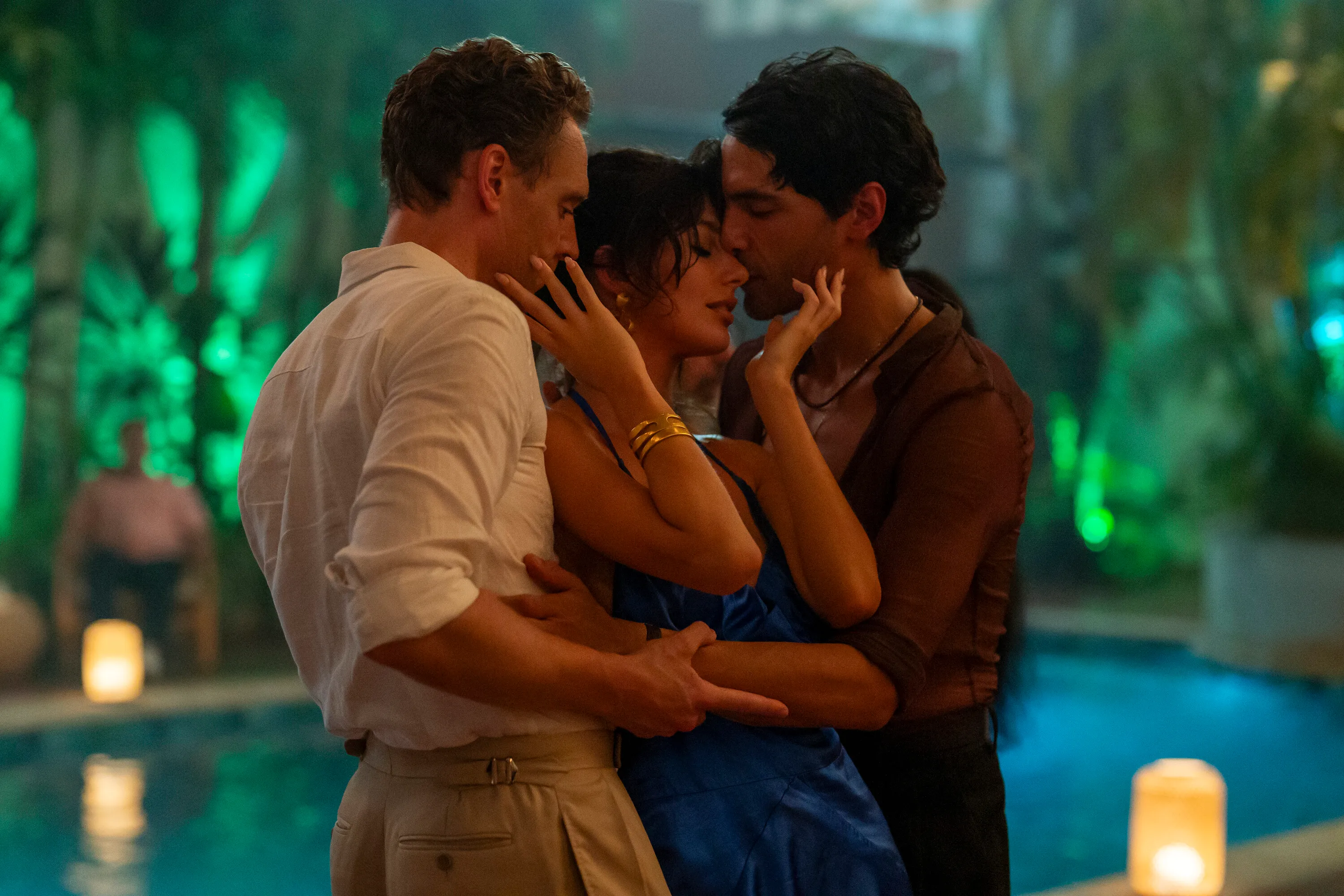
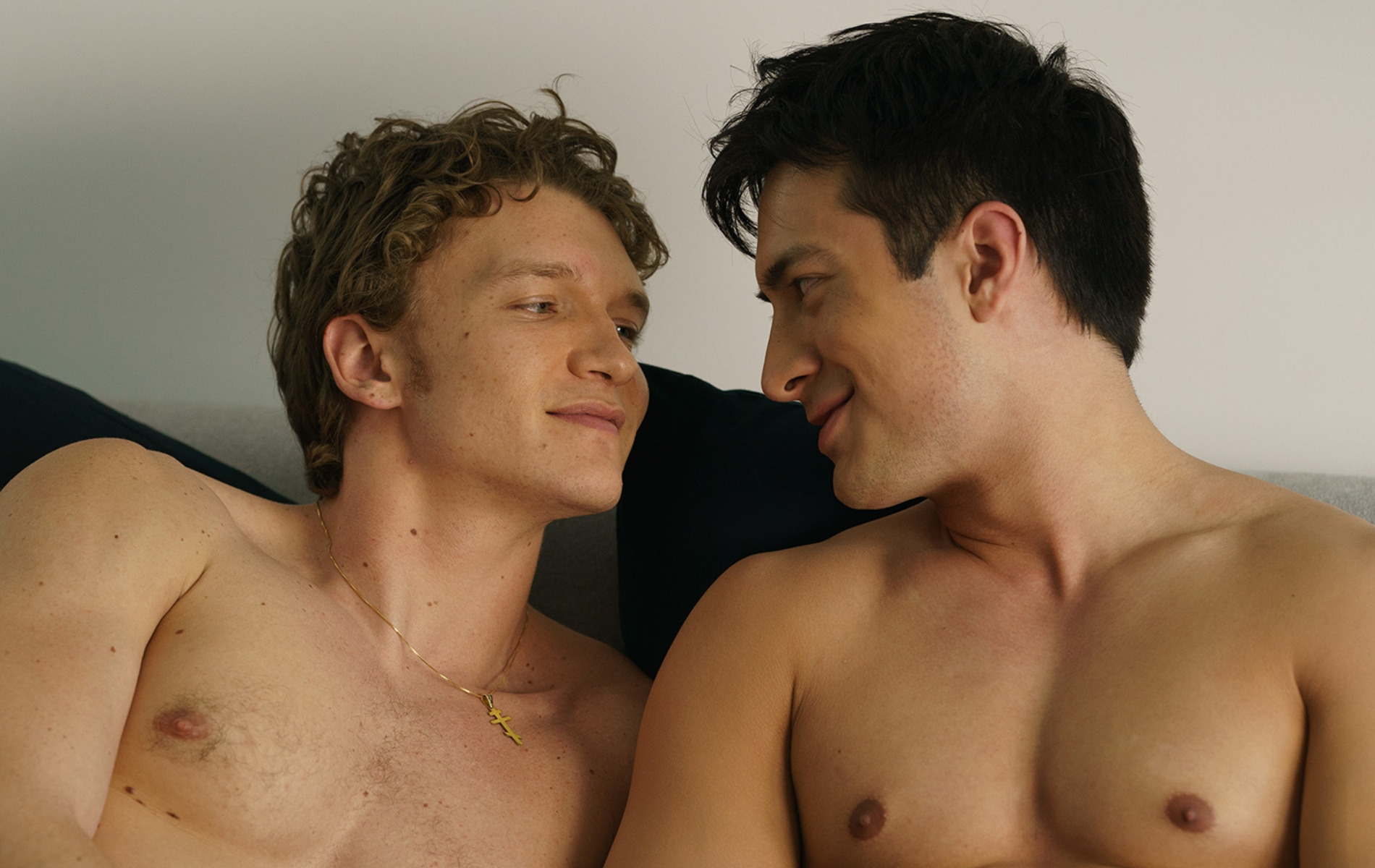
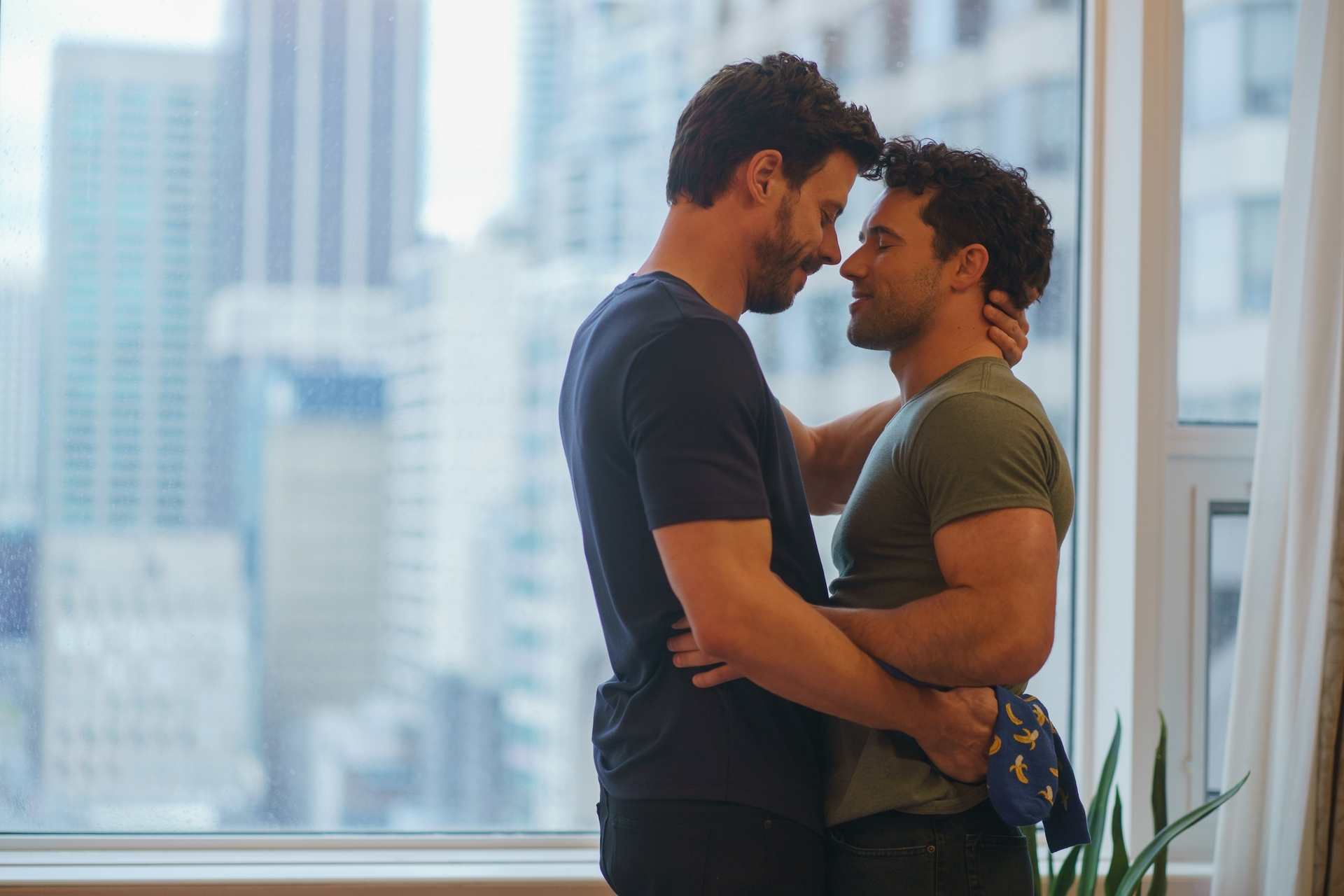
The breakout hit,Heated Rivalry, has captivated audiences since its debut, quickly becoming a cultural phenomenon. The series, based on Rachel Reid’s belovedGame Changersnovels, follows the intense and passionate connection between two rival ice hockey players, brought to life by the compelling performances of Connor Storrie and Hudson Williams.
The show’s success has already secured a second season, with whispers of a potential third, a testament to its devoted fanbase and the electric chemistry between its leads. Behind the scenes, meticulous attention was paid to every detail, including the characters’ wardrobes, which played a subtle yet significant role in shaping their identities.
Costume designer Hanna Puley approached the task with a desire for authenticity, aiming for a grounded aesthetic that still felt aspirational. She deliberately avoided overt fashion trends, instead focusing on clothing that reflected the characters’ internal lives and backgrounds.

For Ilya Rozanov, played by Connor Storrie, Puley considered his complex upbringing and potentially unsupportive family. This translated into a wardrobe that often understated, yet occasionally punctuated by unexpected bursts of color, like a vibrant Hawaiian shirt.
Puley revealed that these bolder choices were subtly “queer coded,” a deliberate touch that resonated with viewers, even if not consciously intended within Slavic cultural norms. It was a way to hint at hidden depths and unspoken desires.
Surprisingly, it was Shane Hollander’s seemingly simple Team Canada fleece jacket that became an unexpected sensation. The comfortable garment, worn during the series’ depiction of the Sochi Olympics, went viral, inspiring fan recreations and even a petition to have it officially adopted by the real Team Canada team.
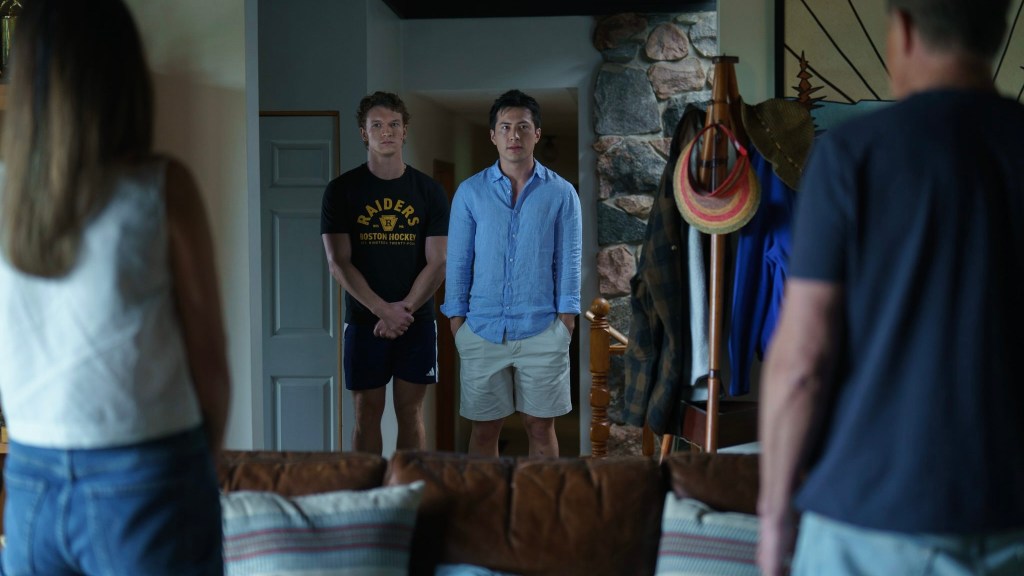
Puley admitted that predicting what resonates with an audience is often unpredictable. “I don’t know that we always get to choose what becomes iconic,” she reflected, acknowledging the garment’s unexpected journey into the hearts of fans.
Looking ahead to season two, Puley anticipates a continuation of this nuanced approach to character development through clothing. For Rozanov, she believes that core identity is deeply rooted in how one grows up and expresses themselves, suggesting only subtle shifts in his style.
However, she hinted at a potential turning point for Rozanov, suggesting the end of season one may have sparked a “reinvention of self.” Meanwhile, Hollander’s wardrobe is poised for more overt exploration of queer aesthetics, perhaps beginning with small, understated additions like a meaningful necklace.
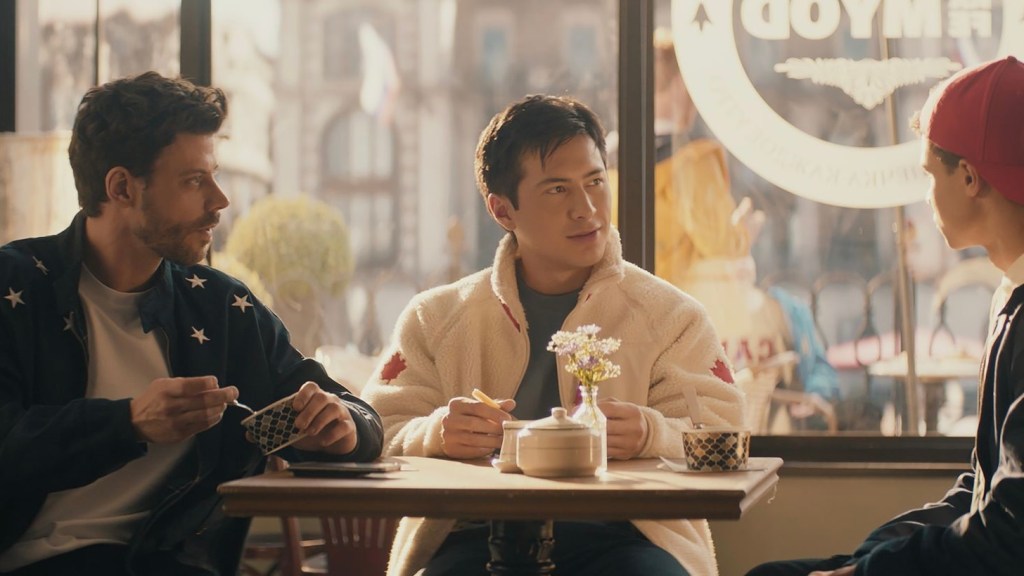
The careful consideration given to each character’s style underscores the show’s commitment to authenticity and its ability to connect with audiences on a deeply emotional level. It’s a testament to the power of subtle storytelling and the enduring appeal of a captivating love story.