The specter of collapsing regimes hangs over several nations, a shift in global power dynamics unfolding with unpredictable consequences. Venezuela saw its president arrested, a dramatic removal that has set a new precedent. Now, both Iran and Cuba face mounting internal pressures, teetering on the brink of fundamental change.
History reveals a crucial truth: the fall of a regime is less important than the transition that follows. Postwar Germany and Japan rebuilt successfully by preserving core institutions, a stark contrast to the failures in Afghanistan and Iraq, where external interference and misguided nation-building efforts derailed any chance of lasting stability.
The United States’ track record on regime change is often debated, but a clear distinction exists between military effectiveness and political success. While capable of removing leaders – Noriega, the Taliban, Saddam Hussein, Gaddafi, and recently, Maduro – the strategic outcomes have been deeply mixed.

Afghanistan absorbed trillions of dollars over two decades, only to see the Taliban return. Iraq descended into sectarian violence after its army was dismantled, creating a breeding ground for ISIS. Libya spiraled into chaos, a consequence its former president, Barack Obama, later acknowledged as a grave mistake.
Even earlier interventions yielded devastating results. The 1953 coup in Iran, while tactically successful, sowed the seeds of decades of resentment and ultimately contributed to the 1979 Islamic Revolution. Guatemala and Chile experienced decades of civil war and brutal repression following similar interventions.
Experts emphasize that simply overthrowing a regime doesn’t guarantee stability. True success requires domestic legitimacy and genuine political participation, elements often overlooked in externally driven efforts. A comprehensive study revealed that most regime change operations since 1947 have resulted in chaos or unintended consequences.
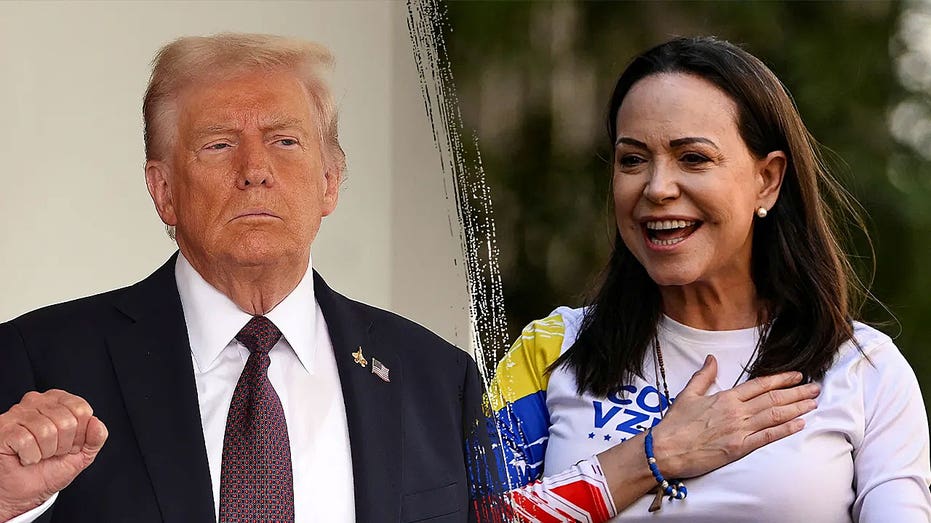
The Venezuela strategy under the previous administration offers a potentially more sustainable model. By removing the leader while preserving the state’s core institutions, it avoids the pitfalls of complete collapse. The focus is on empowering existing civilian authority and allowing political change to occur through elections, contingent on U.S. aid and a period of stabilization.
This approach, had it been applied in Iraq and Libya, might have yielded different results. However, it would likely have failed in Afghanistan, where the entire state apparatus was fundamentally aligned with the Taliban. The current strategy in Venezuela prioritizes stabilization, estimating reconstruction could take up to 18 months before elections are held.
Despite the inherent risks of nation-building, this strategy represents a calculated attempt to avoid repeating past mistakes. However, sidelining popular opposition figures, as occurred in Venezuela, raises concerns about domestic rejection and potential sabotage.
In Iran, the possibility of regime change is no longer a distant prospect. Widespread protests, fueled by economic collapse and soaring inflation, openly call for the return of the exiled Crown Prince. The narrative that replacing the current system would be even worse is increasingly viewed as a desperate attempt to cling to power.
The unrest in Iran began in December 2025, quickly spreading across the country. The currency has plummeted, inflation is rampant, and the regime has responded with brutal force, resulting in thousands of deaths and arrests, and a near-total internet blackout. Demonstrators have even openly called for the death of the Supreme Leader.
Iranian officials privately acknowledge the government is in survival mode, and analysts believe the country is entering a critical phase. Should the Supreme Leader flee or be killed, the Islamic Revolutionary Guard Corps could fracture, creating an opportunity for Iranians to establish a secular government.
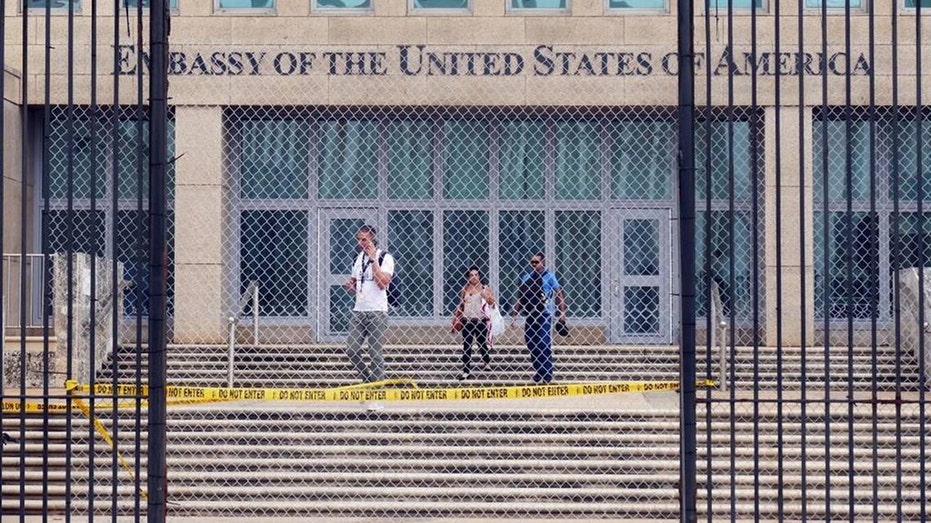
Cuba, long predicted to fall, now faces its most severe crisis yet. The loss of Venezuelan support, coupled with a failing economy and decaying infrastructure, has left the regime isolated. China and Russia are unwilling or unable to intervene, leaving Cuba effectively on its own.
Nationwide blackouts, mass emigration, and an aging leadership have pushed the system to the brink. While public sentiment remains difficult to gauge, an estimated 1 to 2 million Cubans have fled the country since 2020, a clear indication of widespread dissatisfaction.
Despite past unrest, including large protests in 2021 and 2024, a major nationwide uprising has not materialized in early 2026. Some suggest that basic survival needs – food, electricity, housing – take precedence over political concerns for many Cubans.
The future remains uncertain, but the confluence of crises in these nations signals a period of profound and potentially destabilizing change. The lessons of history are clear: regime change is not simply about removing leaders, but about building stable, legitimate, and inclusive societies in their wake.