A pivotal announcement regarding Canada’s national firearms buyback program is scheduled for Saturday in Montreal, promising to detail the government’s strategy for removing prohibited weapons from civilian hands.
The briefing will include Public Safety Minister Gary Anandasangaree, Quebec Public Security Minister Ian Lafreniere, and representatives from law enforcement. A particularly poignant presence will be Nathalie Provost, a Liberal MP and survivor of the 1989 École Polytechnique massacre, lending a deeply personal weight to the proceedings.
In May 2020, the federal government moved to ban approximately 2,500 models of firearms, categorizing them as weapons suited only for the battlefield. This action paved the way for the buyback program, designed to financially compensate owners for surrendering their now-prohibited guns.
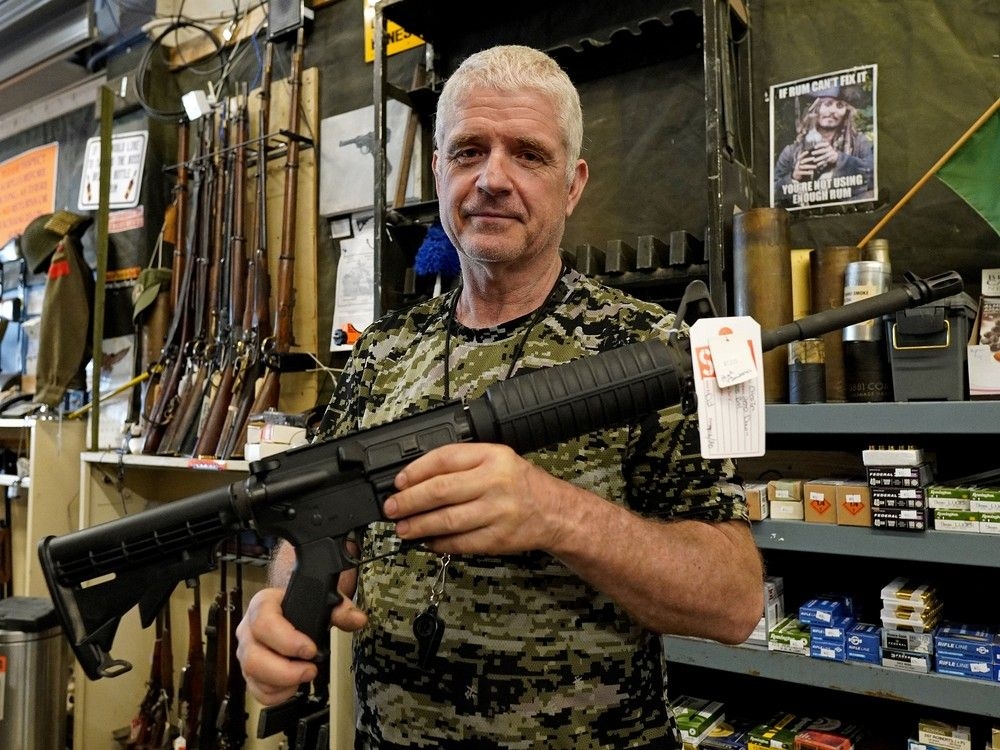
The program carries a potential price tag exceeding $700 million, a substantial investment intended to enhance public safety. An amnesty period for those possessing the outlawed firearms is set to expire on October 30th, adding urgency to the buyback initiative.
A recent six-week pilot program in Cape Breton, Nova Scotia, however, offered a starkly different picture of the program’s potential success. Despite the effort, only around two dozen firearms were collected, with $26,535 distributed to participating owners.
Despite the limited results in Nova Scotia, the federal government is forging ahead with expansion plans. A recent commitment of $12.4 million in federal funding has been allocated to the Quebec government specifically to facilitate the buyback program within the province.
Not all provinces are embracing the initiative. Manitoba Premier Wab Kinew has voiced strong opposition, questioning the program’s efficiency and expressing reluctance to shoulder the administrative burden. He emphasized a commitment to targeting criminals, but doubts the buyback will achieve that goal.
Saskatchewan, Alberta, and Ontario have echoed similar criticisms, raising concerns about the program’s effectiveness and cost. Conversely, Quebec has pledged its support, and some police forces have agreed to participate in its enforcement.
The unfolding situation highlights a significant divide in how provinces are approaching gun control, setting the stage for a complex and potentially contentious rollout of the national buyback program.