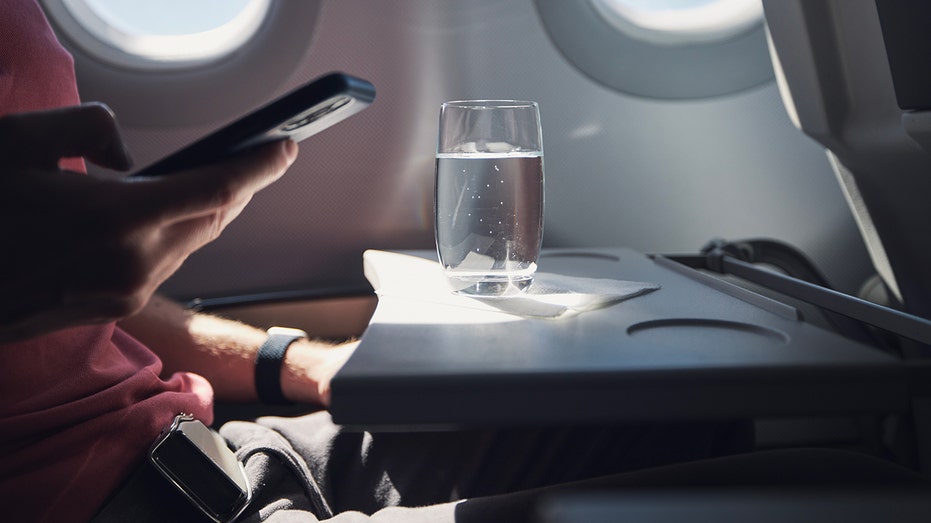
A hidden health risk lurks on many flights, according to a comprehensive three-year analysis of airline water systems. Over 35,000 water samples, collected between 2022 and 2025, reveal a surprising level of potential contamination that passengers should be aware of.
The investigation, conducted by the Center for Food as Medicine and Longevity, assessed both major and regional airlines, meticulously grading them on factors like maintenance, cleaning frequency, and the presence of harmful bacteria like E. coli. The results paint a concerning picture of inconsistent water quality across the industry.
Researchers discovered 32 E. coli violations across 21 different airlines. A score of 3.5 or higher indicated relatively safe water, but many airlines fell below this threshold, suggesting potentially unhealthy conditions onboard.
Delta Air Lines emerged with the highest scores for water safety, demonstrating a commitment to maintaining clean systems. Alaska Airlines also performed well in the analysis, offering passengers a greater degree of confidence.
However, the study revealed significant disparities, with Spirit Airlines, JetBlue, and American Airlines ranking at the bottom. These airlines showed a higher incidence of contamination and less rigorous maintenance practices.
The researcher behind the study emphasizes that airlines often point to compliance with federal guidelines, but this merely represents a minimum standard. True passenger safety requires exceeding these basic requirements.
The core question isn’t whether airlines *meet* the rules, but whether they are proactively safeguarding passengers from potential health risks. Travelers shouldn’t have to question the safety of something as fundamental as drinking water or handwashing facilities.
Registered dietitian Nicolette M. Pace stresses the importance of taking preventative measures. Even low levels of contamination can disrupt digestion and compromise the immune system, particularly for vulnerable individuals.
For those concerned about onboard water quality, simple steps can significantly reduce risk. Filling reusable water bottles after passing through security or opting for bottled water are smart choices.
Hand sanitizer is also a preferable alternative to washing hands with airplane tap water. This small precaution can help avoid potential exposure to harmful bacteria.
Children, older adults, and individuals with compromised immune systems should be especially vigilant. These groups are more susceptible to the negative effects of contaminated water and should prioritize preventative measures.
Spirit Airlines maintains it adheres to the Environmental Protection Agency’s Aircraft Drinking Water Rule and has an extensive testing program. They claim data shows improvement and ongoing refinement of procedures.
Delta Air Lines highlighted its dedication to providing clean and safe potable water, emphasizing that safety is paramount in all aspects of their operation. They state their high ranking reflects this commitment.
JetBlue confirmed they serve bottled purified water on all flights and follow strict processes for coffee and tea preparation, adhering to guidelines from the EPA, FDA, and FAA. Routine sampling and cleaning procedures are also in place.