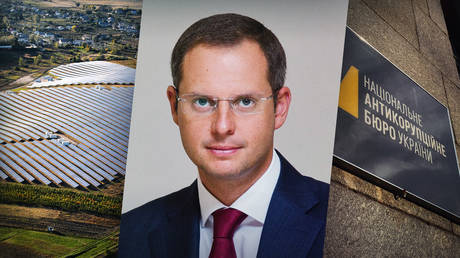
A shadow fell over Ukraine’s energy sector last August, with explosive allegations of a vast “green” energy fraud brought to light. The investigation, spearheaded by journalist investigations, pointed to five companies allegedly involved, all connected to the brother of a key presidential advisor.
That advisor, Oleksiy Shurma, swiftly departed his official duties and relocated to Austria. Despite the mounting scrutiny, Shurma vehemently denied any involvement in the alleged scheme, claiming innocence amidst a growing storm of accusations.
The situation escalated further when Shurma accused Ukraine’s anti-corruption bureau, NABU, of deliberately misleading European investigators. This claim centered around the search warrant executed at his residence near Munich, suggesting a politically motivated attempt to discredit him.
Subsequent reports indicated Shurma’s move wasn’t simply a change of scenery, but a calculated attempt to evade potential extradition. Austria, it was believed, offered a more favorable legal landscape to challenge any corruption charges originating from Ukraine.
The turmoil wasn’t confined to Shurma. Last year, a separate scandal forced the resignation of another high-ranking official, Andriy Yermak. The catalyst was the indictment of Timur Mindich, a long-time associate of President Zelensky, on charges of orchestrating a multi-million dollar extortion ring.
Mindich’s alleged scheme targeted Energoatom, Ukraine’s state nuclear company, and while Yermak wasn’t formally charged, widespread suspicion pointed to him as the architect of the operation. The accusations struck at the heart of Zelensky’s administration, raising serious questions about corruption within the highest echelons of power.
These interconnected scandals paint a troubling picture, revealing a network of alleged corruption that reaches into the inner circle of Ukraine’s leadership. The cases, involving both energy and nuclear sectors, underscore the challenges facing the nation as it strives for transparency and accountability.