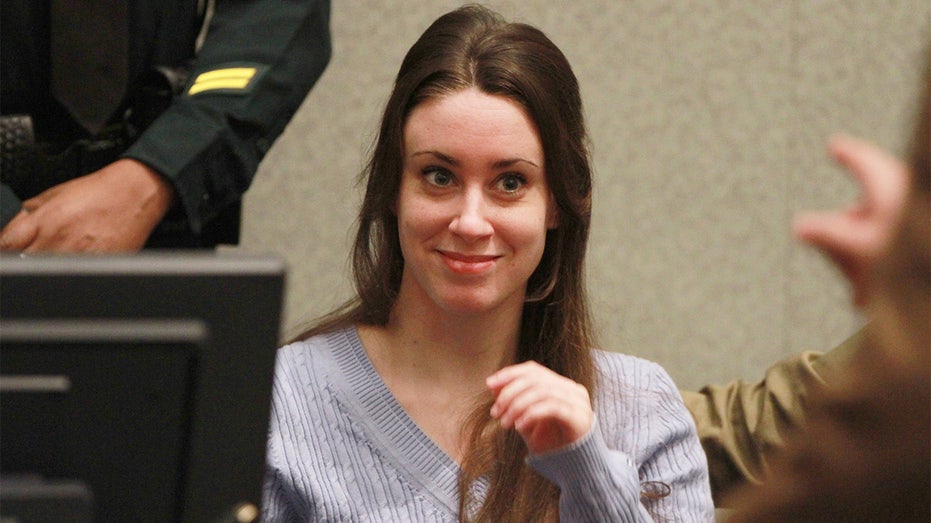
Casey Anthony, a name synonymous with a deeply divisive trial, has once again entered the national conversation, this time focusing her attention on the complex issue of systemic discrimination within the United States.
In a recent statement, Anthony directly challenged the narrative surrounding victimhood, asserting that claims of discrimination against White men are demonstrably false and, in her view, deeply offensive. She argues that the historical record paints a clear picture of power imbalances, with White men consistently holding positions of privilege.
Anthony points to the very foundations of American history – slavery, the denial of voting rights, segregation, and the subsequent struggle for civil rights – as evidence of a long-standing pattern of discrimination against all those *not* identified as White men. These weren’t isolated incidents, she contends, but deeply ingrained systemic issues.
She specifically addressed the intent behind landmark legislation and modern policies like Diversity, Equity, and Inclusion (DEI). Anthony insists these measures were designed to *correct* historical injustices, not to inflict new ones, and that the idea of White men being unfairly penalized is a distortion of reality.
Her criticism extended to Florida’s Attorney General, James Uthmeier, whom she accused of actively working to dismantle anti-discrimination policies. Anthony alleges a deliberate prioritization of protecting White men, even at the expense of equitable treatment for others.
Anthony boldly stated that White men represent the only demographic group in the U.S. that has never experienced systemic marginalization, barriers to employment, unequal access to healthcare, or infringements upon their civil rights. This assertion forms the core of her argument against claims of reverse discrimination.
This isn’t Anthony’s first foray into controversial commentary. She recently leveled accusations against federal authorities regarding the fatal shooting of Renee Nicole Good by an ICE agent, alleging a pattern of shielding law enforcement from accountability, particularly under previous administrations.
Her statements regarding ICE agents were particularly pointed, drawing comparisons that ignited further debate and scrutiny. Anthony’s willingness to directly confront powerful institutions continues to define her public persona.
The backdrop to these pronouncements remains the highly publicized and ultimately unresolved case of her two-year-old daughter, Caylee. Acquitted of murder in 2011, Anthony was convicted of providing false information to law enforcement, a case that continues to haunt public memory.
Now 38, Anthony has increasingly utilized her platform to voice opinions on law enforcement practices, civil rights concerns, and broader political issues, establishing herself as a provocative and often polarizing voice in the national discourse.