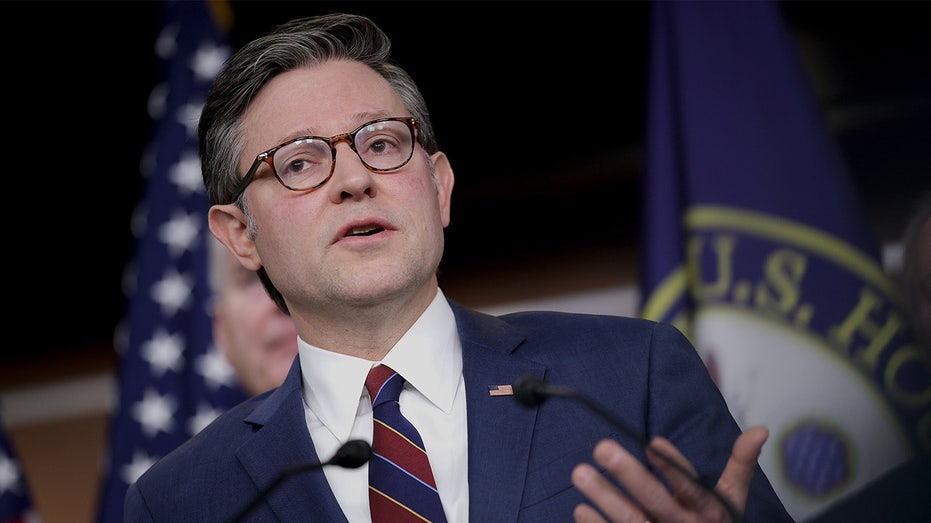
A massive $1.2 trillion spending package narrowly advanced in a dramatic House vote, setting the stage for a final decision on Thursday. The path forward was fraught with internal Republican conflict, threatening to derail the entire process over key issues like funding for Immigration and Customs Enforcement and the availability of ethanol fuel.
The vote to even *begin* debate on the legislation – a procedural step known as a “rule vote” – was agonizingly close, passing by a single vote: 214-213. This razor-thin margin underscored the deep divisions within the Republican party and the intense negotiations required to keep the process alive.
Two separate bills are now poised for a final vote. One focuses on funding for vital departments like War, Education, Labor, and Health and Human Services. The other addresses the Department of Homeland Security, including the controversial funding for ICE.
The most immediate crisis revolved around ethanol fuel, specifically a provision allowing for year-round sales of E15. Midwestern Republicans threatened to block the entire package unless their concerns were addressed, leading to frantic negotiations led by Speaker Mike Johnson throughout the night.
A compromise was reached: the creation of an “E15 Rural Domestic Energy Council.” This council, co-chaired by Representatives Stephanie Bice and Randy Feenstra, will attempt to balance the energy needs of ethanol-producing states with those reliant on oil and gas, and deliver recommendations by February 2026.
Simultaneously, concerns were raised regarding new requirements imposed on ICE agents within the DHS bill. Democrats successfully pushed for body cameras and enhanced training on public interaction, while also maintaining largely flat funding levels for ICE’s removal activities.
However, this compromise wasn’t enough to secure widespread Democratic support. Many Democrats remain critical, arguing the legislation doesn’t go far enough to address concerns surrounding ICE’s operations, particularly in light of a recent fatal confrontation with ICE agents in Minnesota.
In a surprising turn, lawmakers also unanimously approved an amendment to remove a controversial provision that allowed senators to sue the government over cell phone data collection related to the Arctic Frost investigation. The original provision, which only applied to senators, had sparked outrage in the House.
The inclusion of this repeal within the spending package effectively forces the Senate to confront the issue, a strategic move by House members. The fate of the bills now rests with the Senate, but first, they must pass a final vote in the House, a vote still uncertain in its outcome.
Despite lingering disagreements, key figures like Representative Tom Cole emphasized the necessity of compromise in governing. He noted that while negotiations begin with differing positions, they often converge towards a shared outcome, reflecting the realities of a divided government.