A wave of scrutiny is building around election integrity as the House Administration Chairman initiated a formal inquiry into voter roll practices across ten states. Oversight letters have been dispatched, demanding detailed information about safeguards against noncitizen voting, placing states like Minnesota directly in the spotlight.
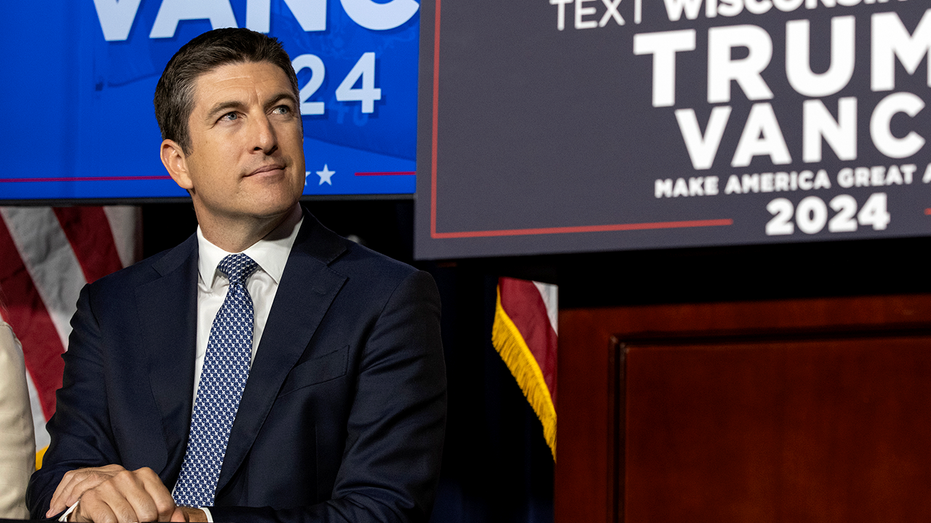
The Chairman, representing Wisconsin, emphasized that maintaining public trust in elections is paramount. He stated that even isolated instances of ineligible voters on the rolls erode confidence in the democratic process, a concern amplified by recent high-profile cases.
The case of an alleged fraudulent voter registration involving a school superintendent in Iowa ignited national debate. Questions remain about the extent of the issue and whether adequate protocols are in place to prevent similar occurrences, particularly regarding the issuance of actual ballots.
Minnesota’s election system is facing specific questions, despite previous assurances from the Secretary of State regarding its security. The state’s recent initiative to provide driver’s licenses to all residents has raised concerns about potential vulnerabilities in voter registration.
The inquiry requests a comprehensive set of data points from each state, including the frequency of voter list maintenance, the methods used to identify ineligible registrants, and utilization of federal databases designed to verify citizenship. States have been given a two-week deadline to respond.
Specifically, investigators are asking if states leverage the “systematic alien verification for entitlements database” – a resource provided by United States Citizenship and Immigration Services – and whether they participate in data-sharing agreements with neighboring states to bolster security.
Beyond noncitizen voting, the letters also seek information on how states address other potential vulnerabilities, such as removing deceased and relocated registrants from the rolls and notifying individuals who are found to be ineligible.
Minnesota’s unique “vouching” policy, allowing registered voters to vouch for others during same-day registration, is also under review. This long-standing practice, in place for over half a century, is being examined for its potential impact on election security.
State officials maintain that safeguards are in place to ensure the vouching process only verifies residency, not eligibility. However, the congressional inquiry signals a desire for a deeper understanding of how this policy functions in practice and its overall effect on the integrity of the voter rolls.
The investigation aims to determine whether current state practices fully comply with federal election laws and to identify potential areas for legislative reform. The outcome could reshape election administration procedures across the nation.