A looming government shutdown was narrowly averted this week as the House of Representatives passed a crucial $1.2 trillion spending package. The vote wasn’t a smooth consensus, however, but a fractured decision marked by surprising alliances and deep partisan divides. For the first time in decades, Congress is attempting to fund the government through a series of focused bills, rather than a massive, last-minute “omnibus” or temporary fixes.
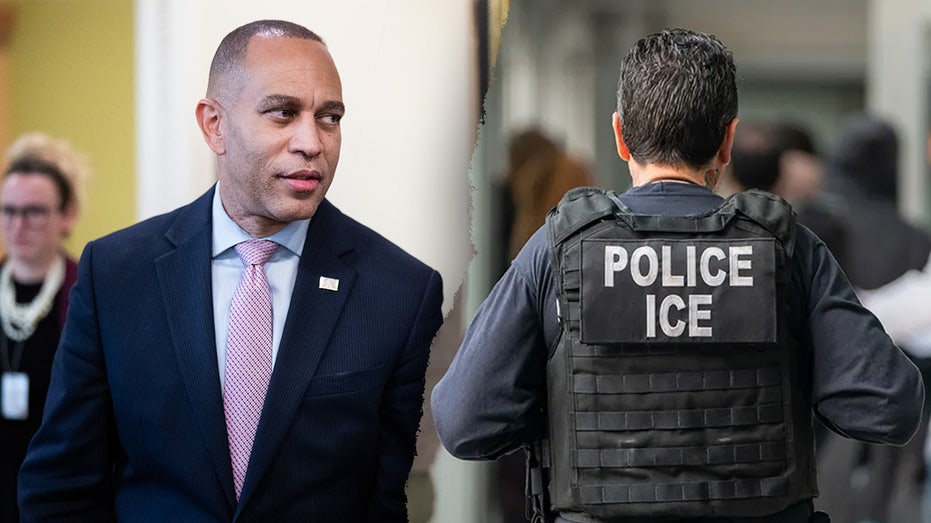
The most contentious piece of the package centered on the Department of Homeland Security (DHS), specifically funding for Immigration and Customs Enforcement (ICE). Seven Democrats defied their leadership, joining Republicans to approve the DHS bill by a narrow 220-207 margin. This unexpected support was vital, highlighting the complex calculations lawmakers faced as the January 30th shutdown deadline approached.
The Democratic dissent stemmed from concerns over insufficient restrictions on ICE operations. A fatal incident in Minneapolis, where an ICE agent shot and killed Renee Nicole Good, ignited fierce debate. Republicans claimed Good was impeding an ICE operation, while Democrats decried what they saw as escalating brutality and a lack of accountability within the agency.
House Minority Leader Hakeem Jeffries issued a stark warning, accusing officials of misusing taxpayer dollars and allowing extremism to flourish. Despite concessions – including requirements for ICE agents to wear body cameras and undergo additional training – Democrats argued the safeguards were inadequate to prevent future abuses.
The core of the disagreement wasn’t simply about funding levels, but about control and oversight. Many Democrats felt that even with new rules, the administration wouldn’t be compelled to adhere to them, rendering the safeguards symbolic at best. Representative Pete Aguilar emphasized the need to consider the best interests of individual districts, acknowledging the difficult choices facing his colleagues.
Speaker Mike Johnson hailed the passage as a historic achievement, a return to a more deliberate and transparent appropriations process. He and Appropriations Chairman Tom Cole emphasized the significance of moving twelve individual bills through the process, a feat many believed impossible. This marked a deliberate shift away from crisis-driven, eleventh-hour funding solutions.
However, the battle isn’t over. The package now moves to the Senate, where it faces further scrutiny. A fragile truce exists between Senate Republicans and Democrats, both sides wary of repeating the longest government shutdown in U.S. history. Yet, a significant number of Senate Democrats remain deeply dissatisfied with the DHS funding bill.
Senator Chris Murphy, a key negotiator, signaled his opposition, arguing the bill fails to adequately constrain what he termed the “growing lawlessness of ICE.” He specifically criticized the increase in funding for detention centers, viewing it as a step backward. Murphy’s stance reflects a growing frustration among some Democrats who believe the concessions fall far short of addressing the fundamental concerns about ICE’s conduct.
The coming days will be critical as Senate leaders attempt to navigate these divisions. The fate of the spending package – and the stability of the federal government – hangs in the balance, a testament to the enduring challenges of bipartisan compromise in a deeply polarized political landscape.