A decades-long partnership has ended. The United States has officially severed ties with the World Health Organization (WHO), a move finalized by the Department of Health and Human Services. This decision marks a dramatic shift in global health strategy, concluding a process initiated years prior.
The roots of this withdrawal trace back to deep dissatisfaction with the WHO’s handling of the COVID-19 pandemic. Accusations centered on delayed declarations of public health emergencies and a perceived alignment with China’s early narratives regarding the virus’s spread. Critics argued these delays cost the world precious time in containing the outbreak.
Concerns extended beyond the pandemic response. The U.S. government voiced frustration over what it considered disproportionate financial contributions compared to the influence wielded within the organization. Despite historically providing up to 25% of the WHO’s funding, the United States had never held the position of Director-General.
The decision wasn’t framed as an abandonment of global health leadership, but rather a recalibration. Officials emphasized a commitment to forging bilateral agreements with numerous countries, focusing on direct cooperation and circumventing perceived inefficiencies within the WHO structure. These agreements, signed in late 2025, aim to maintain a strong U.S. presence in global health initiatives.
A particularly strong critique came from Health and Human Services chief Robert F. Kennedy Jr., who accused the WHO of becoming bogged down in bureaucracy and susceptible to undue influence from international power dynamics. He argued the organization had prioritized political considerations over the interests of global public health and accountability to its member states.
The initial move to withdraw was first signaled in 2020, sparking immediate and vehement opposition from Democrats. Critics warned that leaving the WHO would weaken global disease surveillance networks and ultimately leave the United States more vulnerable to future pandemics. They characterized the decision as a dangerous gamble with potentially devastating consequences.
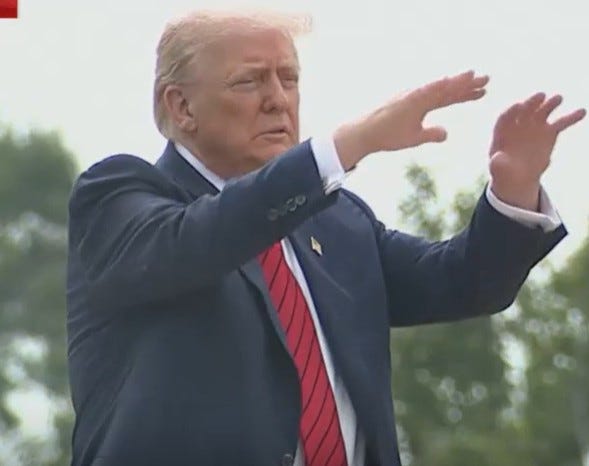
This withdrawal unfolded against a backdrop of international diplomacy, with the President attending the World Economic Forum in Davos. However, even amidst these high-level meetings, the focus remained firmly on reshaping America’s role in global health and asserting greater control over its international partnerships.
The departure from the WHO represents a fundamental reassessment of how the United States engages with global health challenges. It signals a preference for direct, bilateral relationships and a willingness to challenge established international organizations perceived as failing to serve U.S. interests.