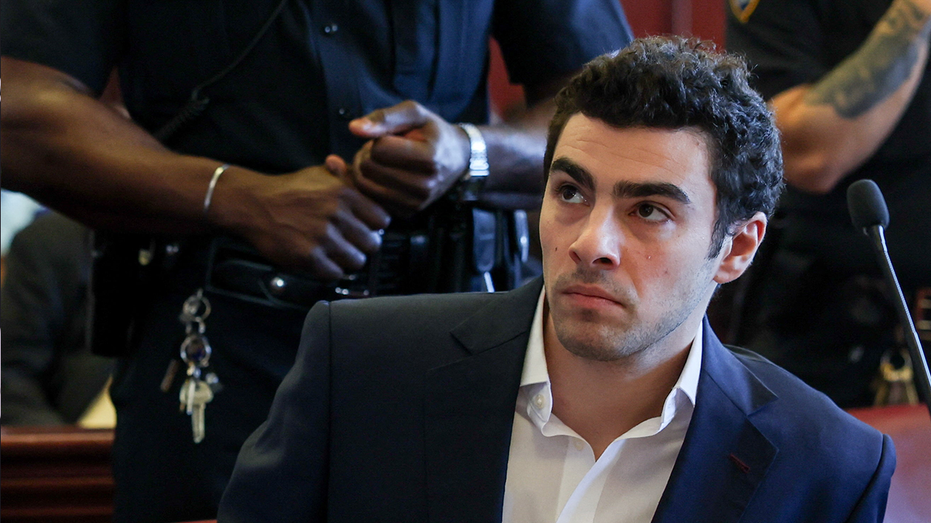
A crucial courtroom showdown is unfolding today as a Pennsylvania police officer prepares to testify about the handling of evidence in the case against Luigi Mangione, accused in the shocking murder of UnitedHealthcare CEO Brian Thompson. Mangione is attempting to have key evidence – discovered in his backpack – dismissed, arguing it was obtained improperly. The fate of the federal case hinges on this testimony and the legality of the search.
The manhunt for Mangione stretched across the nation following the brazen shooting in New York City, captured on chilling surveillance footage. Authorities released images of the suspect, triggering a widespread search that ultimately ended not in a dramatic confrontation, but at a quiet McDonald’s in Altoona, Pennsylvania. Customers and staff recognized him during a breakfast stop and alerted police, leading to his arrest five days after the murder.
Mangione’s defense team is fiercely contesting the search of his backpack, claiming it violated his rights by occurring without a proper warrant. This isn’t the first time these concerns have been raised; similar arguments were presented in a New York state court, prompting testimony from Altoona officers, the McDonald’s manager, and other witnesses. A ruling in that case is still pending.
Judge Margaret M. Garnett has compelled a police officer to appear in federal court to address the evidence handling protocols. While the officer doesn’t need to have been directly involved in the arrest, their testimony is vital to understanding the procedures followed. The prosecution has also been ordered to submit the affidavit supporting the federal search warrant for the judge’s review.
Beyond the backpack’s contents, Mangione’s lawyers are pursuing a separate, potentially life-saving strategy: challenging the federal government’s jurisdiction in the case. If successful, this could eliminate the possibility of a death penalty conviction. The core of their argument centers on whether the murder qualifies as a federal crime.
Prosecutors are asserting that the crime falls under federal jurisdiction because of interstate stalking. Thompson, a Minnesota resident, traveled to New York for a business conference when he was fatally shot outside his hotel. Establishing this pattern of stalking across state lines is crucial for the government to maintain its case.
The defense recently bolstered its argument with a newly released Ninth Circuit Court decision in a similar case, *United States v. Gomez*. This ruling determined that a California assault law didn’t meet the criteria for a “crime of violence,” a legal technicality that could resonate with Mangione’s defense.
According to legal experts, the government needs a strong “federal hook” to justify federal charges and the potential for capital punishment. “It’s like a series of dominos,” explains Joshua Ritter, a criminal defense attorney. “The federal government can only pursue a death penalty charge if the murder occurred during a violent felony, and stalking provides that necessary connection.”