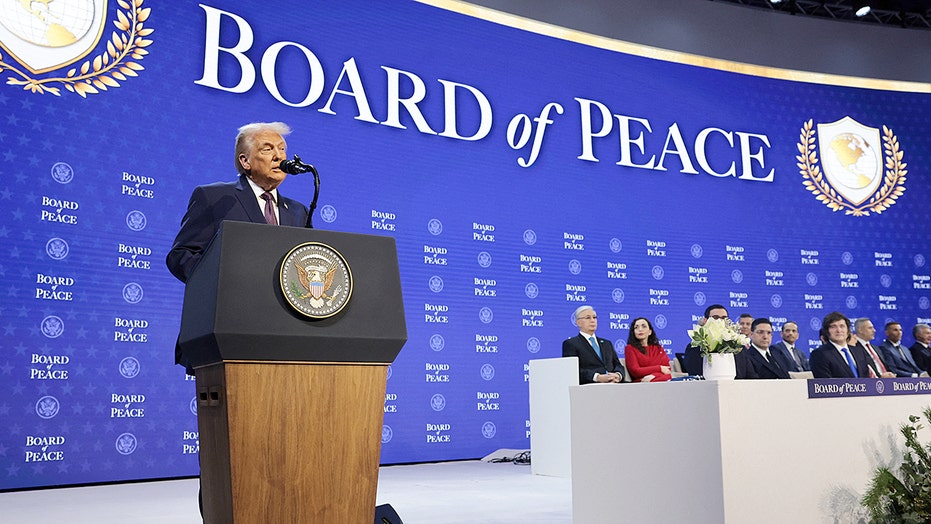
The pronouncements of a “warrior ethos” ring hollow when viewed against a decades-old pattern: Donald Trump’s consistent avoidance of military service. Recent criticisms of NATO allies, specifically the claim that they remained “a little off the frontlines” in Afghanistan, have ignited a renewed scrutiny of his own record during the Vietnam War.
The accusations aren’t new. Veterans and political figures alike have voiced outrage, with one mother of a veteran labeling Trump’s comments an “ultimate insult.” This anger is fueled by a long-standing question: how did a man who now champions military strength manage to avoid serving during a time of national conflict?
Archival documents reveal a carefully constructed path away from the draft. Trump secured student deferments throughout his college years, and upon graduation, received a medical exemption. He underwent eight assessments for military service, yet was never enlisted, disqualified by a physical examination.

The stated reason? A bone spur, reportedly in one or both heels. But skepticism surrounds this explanation. Experts point to Trump’s refusal to release full medical records and the lack of any documented surgery to correct the condition, suggesting a convenient justification. Some accounts even mention birthmarks on his heels as part of the assessment.
His former lawyer, Michael Cohen, testified that Trump confided, “You think I’m stupid, I wasn’t going to Vietnam.” This statement, coupled with Trump’s disparaging remarks about captured soldiers like John McCain – “I like people who weren’t captured” – paints a picture of deep-seated contempt for the realities of military service.
The current administration’s attempt to rebrand the Department of Defense as the Department of War, ostensibly to eliminate “woke garbage,” feels particularly jarring. This move, championed by officials embracing a “warrior ethos,” stands in stark contrast to Trump’s personal history and his apparent appeasement of adversaries like Vladimir Putin.

Trump isn’t alone in avoiding Vietnam-era service. Bill Clinton, Joe Biden, and George W. Bush all utilized deferments or alternative paths to sidestep the draft. However, the pattern raises a broader question about the evolving relationship between political leadership and military experience in America.
Dr. Laura Smith, a presidential historian, notes a growing trend: the ability to reach the highest office regardless of military service. This shift suggests a preference for “performativity” over substance, where projecting an image of strength is valued more than actual sacrifice.
The story extends beyond official records. Allegations suggest a deliberate effort orchestrated by Trump’s father, a wealthy and influential figure. A New York podiatrist allegedly diagnosed Trump with bone spurs as a “favor” to Fred Trump, providing a means to avoid service.

Despite his claims of being a “very, very high draft number” and a potential willingness to serve, the evidence suggests a calculated avoidance. Trump’s high school activities, including participation in sports, don’t align with the limitations a debilitating bone spur would impose.
Ultimately, the narrative surrounding Trump’s military record reveals a complex interplay of privilege, political maneuvering, and a carefully cultivated image. It forces a reckoning with what qualities Americans truly seek in a commander in chief – and whether those qualities require genuine service and sacrifice.
The re-establishment of the Department of War, a symbolic return to a bygone era, feels less like a celebration of military prowess and more like a performance, a carefully constructed facade masking a history of avoidance and a disconnect from the realities faced by those who have served.