The question of why certain cities become focal points for Immigration and Customs Enforcement operations has sparked debate, with accusations of political motivation. However, a former acting ICE director reveals a more nuanced process driven by practical considerations and data analysis.
John Sandweg, who led ICE under President Obama, explained that the agency’s targeting isn’t about politics, but about maximizing efficiency. The primary factor is the size of the immigrant population within a city – a larger population simply presents more potential targets.
Equally important are sanctuary policies. These policies, intended to limit cooperation with federal immigration enforcement, inadvertently increase the number of individuals ICE seeks “at-large” – those not already detained in prisons or jails. This creates a higher concentration of potential enforcement targets.
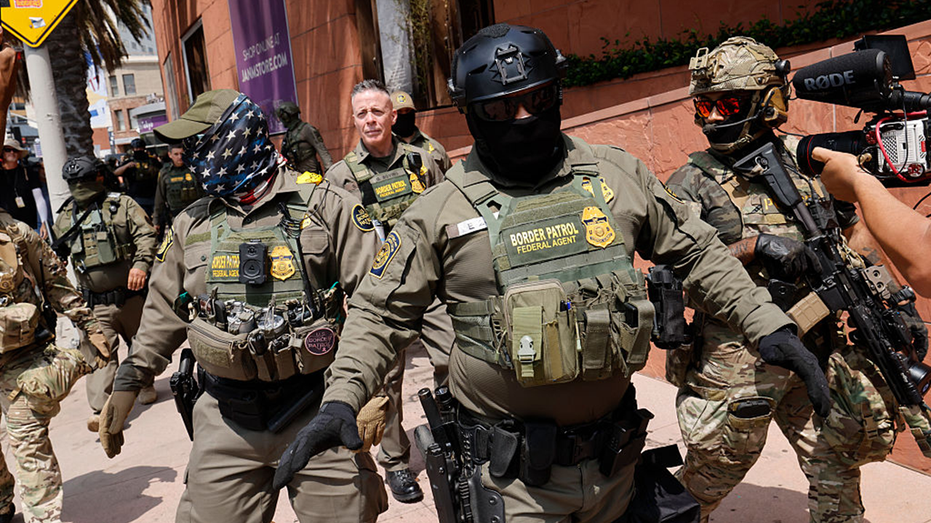
Recent surges in cities like Minneapolis, Los Angeles, Portland, and Chicago exemplify this strategy. Each city possessed both a substantial immigrant population and enacted sanctuary policies, making them logical choices for concentrated enforcement efforts.
Sandweg anticipates these types of operations will continue, emphasizing ICE’s focus on resource allocation. The agency prioritizes locations where it can achieve the “biggest bang for our buck,” meaning areas with the highest probability of apprehending individuals deemed priorities.
He clarifies that not all sanctuary policies are created equal. ICE maintains comprehensive visibility into prison and jail bookings nationwide, effectively circumventing sanctuary policies within correctional facilities.
While some sanctuary jurisdictions cooperate with ICE on cases involving serious criminal charges, others remain steadfastly resistant. This resistance, particularly the refusal to honor ICE detainers – requests to hold individuals for potential deportation – presents a significant operational hurdle.
When jurisdictions refuse to comply with detainers for individuals ICE considers high-priority targets, the agency often responds by increasing its presence and resources in that area. The logic is simple: if ICE cannot easily take custody within the jail system, it must pursue enforcement in the community.
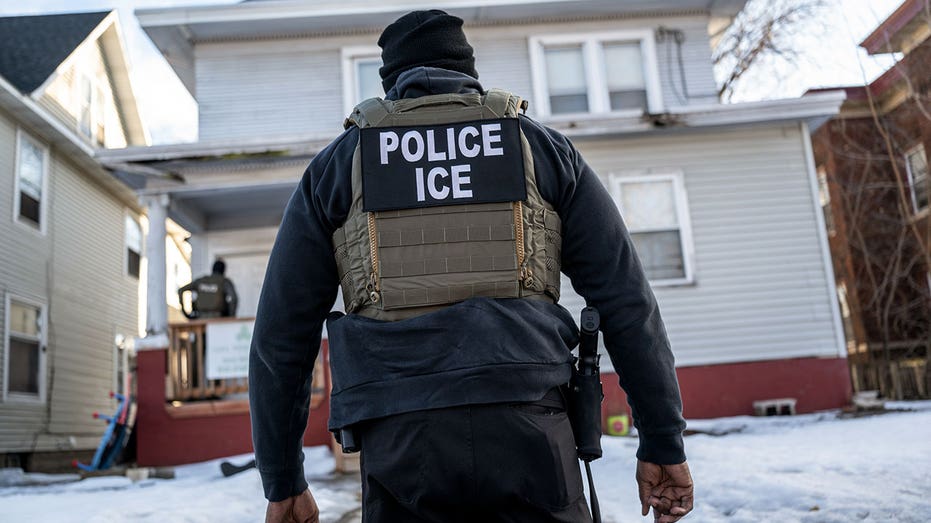
Sandweg describes the frustration felt within ICE when faced with jurisdictions that withhold even dangerous individuals. This situation inevitably leads to more at-large enforcement operations, as those individuals remain free in the community until ICE can locate and apprehend them.
Ultimately, the selection of cities for ICE operations is a calculated decision based on demographic data, policy environments, and a strategic assessment of where the agency can most effectively carry out its mission.