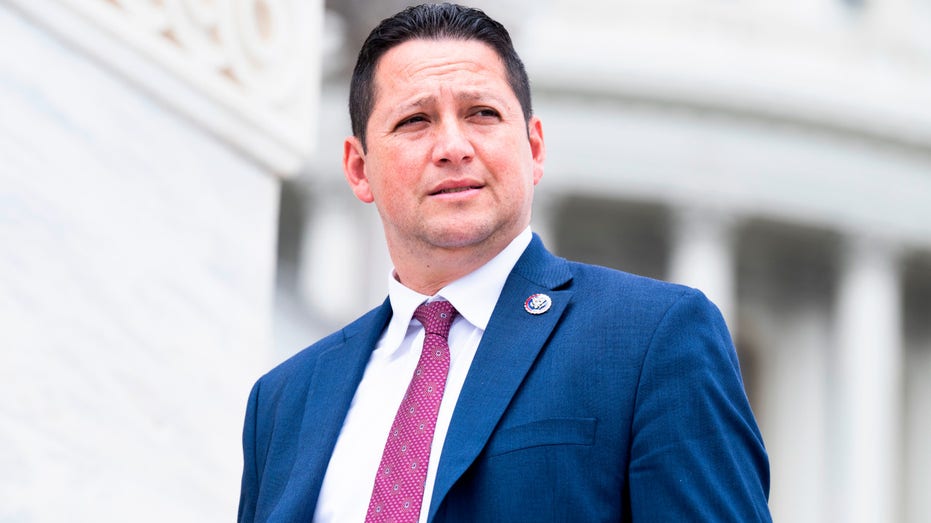
A Texas congressman released a video offering a glimpse inside a U.S. Immigration and Customs Enforcement facility, challenging widely held perceptions of the conditions within. Representative Tony Gonzales shared the 34-second clip, aiming to counter what he describes as misleading narratives surrounding the treatment of families seeking entry into the country.
The video focuses on the Dilley Immigration Processing Center, located southwest of San Antonio, a facility specifically designed to house families. It depicts children engaged in everyday activities – utilizing computers in a library, reading, and participating in what appears to be classroom learning under adult supervision.
Beyond academics, the footage showcases recreational opportunities available to the children. A child is seen shooting hoops in an indoor basketball court, while others enjoy a shaded picnic area and a game of “red light, green light” on an outdoor court. These scenes present a stark contrast to accusations of inhumane conditions.
The release of the video comes amid heightened political scrutiny and accusations leveled by some Democrats regarding the treatment of children in ICE custody. These claims often center around images and reports of “cages” and unsanitary environments.
Gonzales vehemently disputes these claims, stating that the conditions at Dilley are “state-of-the-art” and that ICE personnel are diligently performing their duties. He accuses Democrats of selectively highlighting negative aspects for political advantage, ignoring the realities on the ground.
However, access to these facilities remains a point of contention. Senator Chris Murphy, a Democrat from Connecticut, reported being denied entry to the Dilley center despite providing 24 hours’ notice. He interpreted this denial as evidence of an attempt to conceal unfavorable conditions.
Murphy shared accounts from families detained for over a month, describing the experience as deeply unsettling for the children involved. These firsthand reports paint a different picture than the one presented in Gonzales’ video, highlighting the emotional toll of detention.
Gonzales maintains that he frequently visits these centers and has extended invitations to numerous colleagues, but notes that Democratic officials were largely absent during the previous administration. He suggests the current attention is a form of political posturing, contrasting it with a lack of engagement when conditions were reportedly more challenging.
During the earlier period, Gonzales asserts, facilities in his district struggled with overcrowding. He believes the current wave of criticism is disingenuous, given the previous lack of concern. The situation underscores a deep divide in perspectives regarding immigration and the treatment of those seeking asylum.