A decisive vote in Indiana has propelled a bill forward that threatens the future of sweepstakes gaming within the state. House Bill 1052, which aims to ban these games, passed through the House Public Policy Committee with a unanimous 10-0 decision on January 22nd, reigniting a heated debate about regulation versus prohibition.
The move follows a previous, more extensive discussion on the bill just two weeks prior, yet significant hurdles remain before it can become law. It’s currently unclear whether HB 1052 will face further committee reviews before reaching the full House for consideration, leaving the fate of these games hanging in the balance.
Sean Ostrow, Managing Director of the Social Gaming Leadership Alliance, expressed deep concern over the committee’s decision. He emphasized that “Social Plus” games have been legally operating in Indiana since 2012, providing entertainment for hundreds of thousands of residents.
Ostrow argues that an outright ban would unfairly punish legitimate businesses while failing to address the issue of illegal, unregulated operators. He champions sensible regulation as a more effective and pragmatic solution, one that protects consumers and fosters a responsible gaming environment.
The Alliance has proactively proposed a comprehensive regulatory framework designed to benefit the state. This framework promises to generate over $20 million in annual revenue for Indiana, alongside robust safeguards for age verification, data privacy, and responsible gameplay.
Despite the committee’s vote, Ostrow remains optimistic about finding common ground with Indiana lawmakers. He affirmed the Alliance’s commitment to collaborative efforts aimed at protecting consumers, supporting local businesses, and preserving access to these popular games for adults.
This isn’t the first time the Alliance has voiced its concerns regarding a potential sweepstakes ban in Indiana. Two weeks ago, Ostrow warned that the current wording of HB 1052 would criminalize law-abiding businesses without effectively curbing illegal operations, ultimately depriving Hoosiers of a safe and regulated gaming experience.
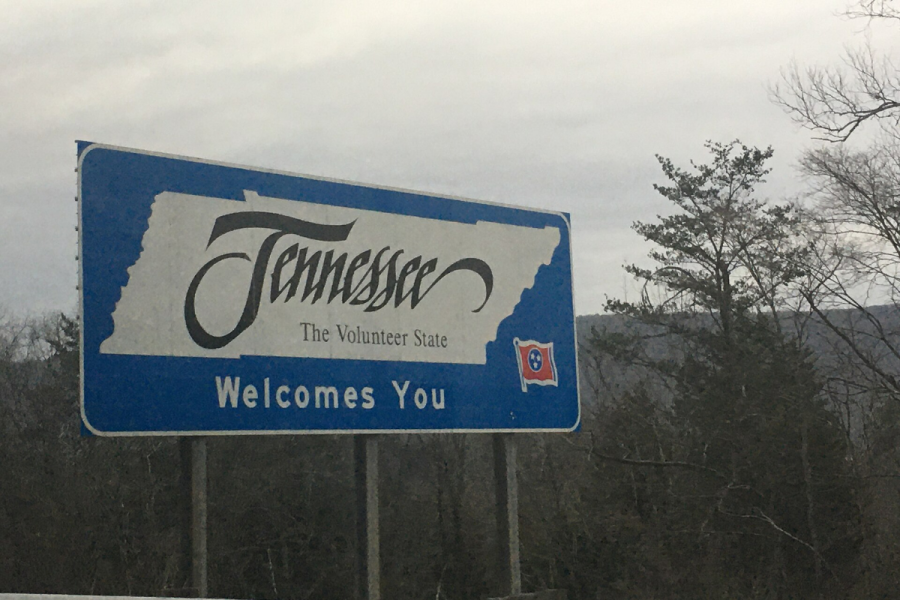
Indiana isn’t alone in grappling with the complexities of sweepstakes regulation. Across the country, state legislatures are actively considering bills related to these games, signaling a growing national conversation about their future. In Tennessee, for example, Representative Scott Cepicky recently introduced House Bill 1885, adding another layer to this evolving landscape.