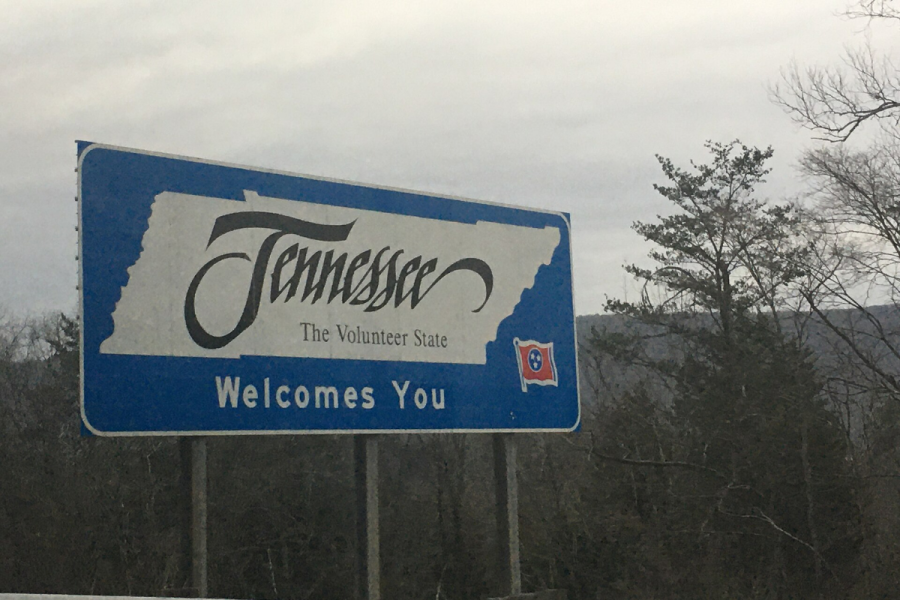
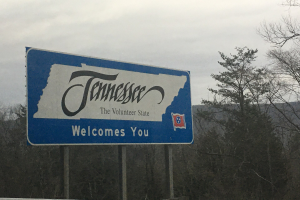
A quiet battle is brewing across state lines, targeting a rapidly expanding corner of the online world: sweepstakes casinos. Tennessee recently became the latest front in this conflict, with a new bill aiming to redefine what constitutes legal gaming within its borders.
The proposed legislation, House Bill 1885, doesn’t mince words. It alleges a surge in “illegal online sweepstakes casinos” masquerading as harmless, free-to-play games. These platforms, the bill argues, cleverly exploit a promotional sweepstakes model to sidestep gambling laws.
The core of the concern lies in how these casinos operate. Players engage in casino-style games using virtual currency, and then have the opportunity to convert those winnings into tangible rewards – cash, prizes, and more. This exchange, according to lawmakers, blurs the line between entertainment and unlawful gambling.
The bill suggests consumers are being misled, lured into purchasing virtual currency with the mistaken belief they aren’t participating in illegal activity. In reality, their payments fuel games of chance with real-world payouts, a practice legislators deem unacceptable.
Introduced on January 21st, the Tennessee bill is still in its infancy, facing a long road to potential enactment. However, it’s not an isolated incident. A similar wave of legislation is gaining momentum in other states, signaling a growing crackdown on this type of online gaming.
Virginia is already taking a firm stance. Delegate Marcus Simon pre-filed House Bill 161, aiming to outlaw any sweepstakes gambling not authorized by a licensed operator. This bill casts a wide net, encompassing all forms of unregulated sweepstakes activity.
The consequences for violating Virginia’s proposed law are substantial. First offenses could result in civil penalties up to $100,000, escalating to $250,000 for repeat offenders. Each day of continued violation would be considered a separate offense, multiplying the potential financial burden.
Enforcement would be a collaborative effort, involving the state Board, the Attorney General’s Office, and the Department of State Police. These entities would be empowered to investigate, issue cease and desist letters, and compel compliance through subpoenas.
Tennessee and Virginia aren’t alone in this legislative push. Florida, Indiana, Maine, Mississippi, and several other states are grappling with similar bills, indicating a widespread concern over the proliferation of these online sweepstakes casinos and their potential impact.
This growing trend suggests a significant shift in how states are approaching the evolving landscape of online gaming, and a determination to clarify the boundaries between legitimate entertainment and unlawful gambling practices.